



The circular economy reshapes the environment by demanding sustainable solutions for plastic waste. More than 75% of plastic waste escapes recycling, harming the environment and threatening environmental sustainability. The environment faces mounting challenges as the plastic packaging industry expands. The circular economy promise centers on designing for recyclability, improving environmental impact, and building resilient circular supply chains. Circular supply chains support a sustainable plastics economy and environmental sustainability. The environment needs circular economy solutions for sustainable environmental protection. Circular upcycling, supported by e-beam, delivers sustainable environmental results.
Key Takeaways
- The circular economy focuses on sustainable solutions to reduce plastic waste and improve recycling rates.
- E-beam technology enhances the quality of recycled plastics, making them more valuable and suitable for various applications.
- Upcycling converts plastic waste into higher-value products, supporting sustainability and reducing environmental impact.
- Adopting circular strategies in industries can lead to innovative recycling solutions and improved waste management.
- High-quality recycled plastics are essential for closing the loop in the circular economy and promoting sustainable growth.
Circular Economy and Plastics
Circular Economy Principles
The circular economy transforms plastics management by focusing on sustainable practices. It encourages circularity through design for recyclability, reducing plastic production, and implementing advanced waste management strategies. The principles guide plastic recycling efforts and support the transition from linear to circular systems. The following table summarizes the core principles and their application to plastics:
| Principle | Application to Plastics Management |
|---|---|
| Design for recyclability | Future polymer designs should incorporate safe and sustainable principles, encouraging higher recycling rates. |
| Reducing plastic production | Establishing standards and global policies to limit plastic production and reduce environmental waste. |
| Waste management strategies | Emphasizing methods beyond recycling, including product design, alternative materials, and reduction strategies. |
| End-of-life considerations | Plastics should be designed for efficient collection and recycling or be biodegradable if necessary. |
Circularity in plastics relies on these principles to improve recycling rates and minimize plastic waste. Waste management systems must adapt to support circular goals and enhance recycled material quality.
Plastics Lifecycle Redesign
Plastics lifecycle redesign plays a key role in achieving circularity. Industry leaders implement circular economy principles by prioritizing safe and sustainable polymer designs. They adopt a design-for-recyclability approach, which increases recycling rates and simplifies plastic recycling processes. The following list highlights important strategies:
- Future polymer designs prioritize safe and sustainable principles.
- Design-for-recyclability enhances recycling rates by using simplified plastics with controlled chemicals and labels.
- Mono-material design addresses challenges posed by multilayer plastics.
- Economic instruments like EPR and deposit-refund schemes stimulate recycling.
- Significant reduction in plastic demand and high recycling rates are essential for a sustainable circular economy.
Circular redesign supports plastic recycling and reduces plastic waste. It also improves recyclability and increases the value of recycled plastics.
Eliminating Plastic Waste
Circular economy strategies aim to eliminate plastic waste by promoting smarter product design, advanced recycling technologies, and effective waste management. The following table presents evidence of successful approaches:
| Evidence Type | Description |
|---|---|
| Innovative Product Design | Smarter product design enhances recyclability and reduces waste. |
| Recycling Technologies | Advancements in recycling technologies improve efficiency and reduce emissions. |
| Economic Instruments | Financial tools like EPR and DRS incentivize recycling and reduce plastic waste. |
| Global Regulations | Regulations limit plastic production and manage waste effectively. |
| Case Studies | Successful DRS implementations in Norway and Ecuador increase recycling rates significantly. |
Circularity depends on these strategies to support plastic recycling and minimize environmental impact. Waste management systems must evolve to handle recycled plastics efficiently and achieve circular goals.
Challenges in Plastic Recycling
Limitations of Traditional Recycling
Plastic recycling faces many barriers that limit its effectiveness in the circular economy. Traditional recycling methods struggle with contamination, mixed plastics, and high costs. These issues make it difficult for waste management systems to recover valuable materials from plastic waste. The following table highlights the main limitations:
| Limitation Type | Description |
|---|---|
| Contamination | Residues and additives complicate the sorting and recovery of plastics. |
| Mixed Polymers | Different types of plastics in waste streams hinder effective recycling. |
| High Costs | The steep costs associated with recycling deter manufacturers and investors from engaging in recycling programs. |
| Environmental Impact | Issues like microplastics and greenhouse gas emissions arise from traditional recycling methods. |
| Low Recovery Rates | Global plastic recycling rates are significantly lower than those for other materials like paper and metals. |
The global production of plastics exceeds 9,200 million metric tonnes. About 6,900 million metric tonnes remain unrecycled, leading to significant plastic waste accumulation. Current recycling rates stay below 10%, even though over 400 million tonnes of plastics enter the market each year. Waste management systems must address these challenges to support the circular economy.
Upcycling vs. Downcycling
Upcycling and downcycling represent two different approaches in plastic recycling. Upcycling converts plastic waste into higher-value products, improving quality and functionality. Downcycling, on the other hand, recycles plastics into lower-value products, which reduces their quality and usefulness. The table below compares these two methods:
| Aspect | Upcycling | Downcycling |
|---|---|---|
| Definition | Converts waste into higher-value products, enhancing quality and functionality | Recycles materials into lower-value products, reducing quality and functionality |
| Environmental Impact | Minimizes waste and reduces demand for virgin materials, lowering environmental footprint | Can lead to accumulation of lower-quality materials, potentially ending in landfills |
| Value Retention | Aims to create value and extend resource life cycle | Typically leads to gradual degradation of material quality |
| System Approach | Encourages a closed-loop system of continuous reuse and recycling | Contributes to a linear “take-make-dispose” model |
Upcycling supports the circular economy by keeping plastics in use for longer periods. Downcycling often results in more plastic waste, which challenges waste management and recycling efforts.
Demand for High-Quality Recycled Plastics
Industries now seek high-quality recycled plastics to close the loop in the circular economy. The market shifts toward recyclable materials that meet strict standards for performance and safety. This trend addresses gaps in the recycling ecosystem and unlocks financial opportunities for the sector. The Indian plastic market, for example, grows rapidly as regional demand and diverse applications increase. Improvements in recycling practices help align the market with global sustainability trends. Waste management systems must deliver recycled plastics that meet industry needs. The circular economy depends on high-quality recycled plastics to reduce plastic waste and support sustainable growth.
- The recyclability of thermoplastics, such as PE and PP, remains higher than that of thermosets and composites.
- Single-use plastics continue to dominate plastic waste streams, making effective recycling and upcycling essential.
- Circular waste management strategies must focus on producing recycled plastics that retain value and functionality.
Note: The circular economy relies on advanced recycling and waste management solutions to transform plastic waste into valuable resources. High-quality recycled plastics play a key role in reducing environmental impact and supporting circular growth.
E-Beam in Plastic Recycling
E-Beam Technology Overview
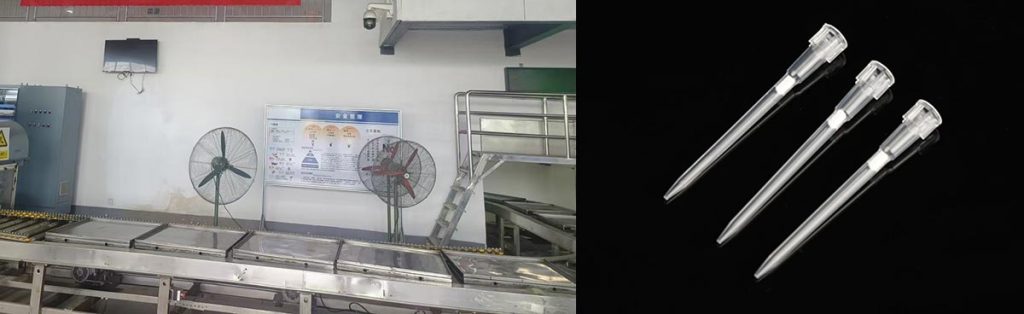
E-beam technology has become a transformative force in plastic recycling. This advanced process uses high-energy electrons to modify the molecular structure of plastics. The technology enhances the mechanical properties of polymers, which allows manufacturers to reduce plastic consumption by down-gauging films. E-beam also improves compatibility between different polymers and blends of virgin and recycled materials. This compatibility is essential for the circular economy, as it enables the creation of new products from mixed plastic waste streams.
E-beam-induced chain scission breaks down polymers, making it easier to recycle materials that were once considered difficult to process. For example, scrap PTFE can be converted into micropowders for use in lubricants and coatings. The technology also supports the production of mono-material packaging, which simplifies recycling and composting. By enabling these advancements, e-beam technology addresses key challenges in waste management and supports the shift toward circular solutions.
- E-beam enhances the mechanical properties of plastics.
- It improves compatibility between different types of recycled and virgin materials.
- The process enables the transformation of plastic waste into valuable resources.
- E-beam supports the creation of packaging that is easier to recycle or compost.
Electron Beam Irradiation Equipment
Electron beam irradiation equipment plays a critical role in the application of e-beam technology for plastic recycling. This equipment generates and directs high-energy electrons onto plastic waste, initiating chemical reactions that alter the material’s structure. The process does not require harmful initiators or solvents, which aligns with sustainability goals and reduces environmental impact.
Modern electron beam irradiation equipment can process large volumes of plastics efficiently. The equipment supports the recycling of a wide range of materials, including thermoplastics and composites. By enabling precise control over irradiation doses, operators can tailor the process to achieve desired material properties. This flexibility is vital for waste management systems that handle diverse plastic waste streams.
Electron beam irradiation equipment enables the transformation of plastic waste into higher-value materials, which increases the market value of recycled plastics and supports the circular economy.
Enhancing Upcycling Efficiency
E-beam technology significantly enhances upcycling efficiency in plastic recycling. Upcycling involves converting plastic waste into products with higher value and improved functionality. E-beam enables this by improving the mechanical properties of recycled plastics, which allows manufacturers to produce high-quality goods from waste materials. The technology also increases compatibility between different polymers, which is essential for creating durable and reliable products.
E-beam-induced chain scission helps break down complex plastics, making them easier to process and recycle. This process supports the creation of mono-material packaging, which is more sustainable and easier to manage in waste management systems. By enabling these advancements, e-beam technology helps close the loop in the circular economy and reduces the environmental impact of plastic waste.
- E-beam improves the quality and value of recycled plastics.
- The technology supports the production of high-performance materials from plastic waste.
- Upcycling efficiency increases, which benefits both manufacturers and the environment.
Improving Material Properties
E-beam technology offers unique advantages for improving the material properties of recycled plastics. The process can enhance tensile strength and hardness, which makes recycled materials suitable for demanding applications. Studies show that e-beam irradiation can result in minimal differences in performance specifications, with only a 13% change in tensile and hardness tests. Discoloration may occur, but it is not visually obvious in most cases.
| Test Type | Significant Differences (%) | Observations |
|---|---|---|
| Tensile | 13% | Minimal differences in performance specifications |
| Hardness | 13% | Minimal differences in performance specifications |
| Discoloration | 13% | Notable differences in yellowness index |
However, the elongation at break of some plastics, such as epoxy resins, may decrease with higher irradiation doses. This effect highlights the importance of optimizing e-beam parameters to balance improved properties with material performance. By carefully controlling the process, manufacturers can produce recycled plastics that meet industry standards for quality and safety.
E-beam technology supports sustainability by enabling the production of high-quality recycled plastics. The process increases the market value of recycled materials and helps achieve the goals of the circular economy. Waste management systems benefit from these improvements, as they can deliver recycled plastics that meet the needs of various industries.
E-beam technology transforms plastic waste into valuable resources, supports circular economy principles, and drives demand for innovative recycling solutions.
Recycling Innovations and Market Trends
New Applications for Recycled Plastics
E-beam technology has opened new possibilities in plastic recycling and sustainability. Researchers have used e-beam to polymerize inks and coatings without solvents, which benefits compostable packaging. This process can enhance the biodegradability of packaging, leading to faster disintegration after consumer use. E-beam also supports the creation of mono-material packaging, which improves recyclability and reduces plastic waste. Flexible packaging, once considered non-recyclable due to multilayer structures, now becomes suitable for recycling and composting. E-beam improves mechanical properties and compatibility between polymers, making recycled plastic into packaging more valuable for the market. The technology also aids in bioburden reduction, which extends the shelf life of products made from recycled materials.
Industry Adoption of E-Beam
Industries across the globe have started to adopt e-beam technology for plastic recycling and sustainability. In Malaysia, the Malaysian Nuclear Agency works with HDD Technology and Alam Flora Environmental Solutions to recycle PTFE and PE plastics. They transform plastic waste into industrial additives and pyrolysis oil. In the Philippines, the Philippine Nuclear Research Institute and Envirotech Waste Recycling Inc. use e-beam to improve the mechanical properties of construction materials made from recycled plastics. These partnerships show how electron beam irradiation equipment supports the circular economy and drives innovation in packaging and waste management. Industry adoption continues to grow as companies seek sustainable solutions for plastic waste.
Future Outlook for E-Beam Demand
The demand for e-beam in plastic recycling and sustainability will likely increase as the circular economy expands. E-beam advances the scientific and technological foundations for upcycling by enabling the transformation of plastic waste into high-quality recycled materials. The market for recycled plastic into packaging continues to grow as industries require sustainable packaging solutions. Electron beam irradiation equipment will play a key role in meeting these demands. As more companies adopt circular strategies, e-beam will help close the loop in packaging, reduce environmental impact, and support waste management systems. The future of plastic recycling depends on continued innovation and the widespread use of advanced technologies like e-beam.
Conclusion
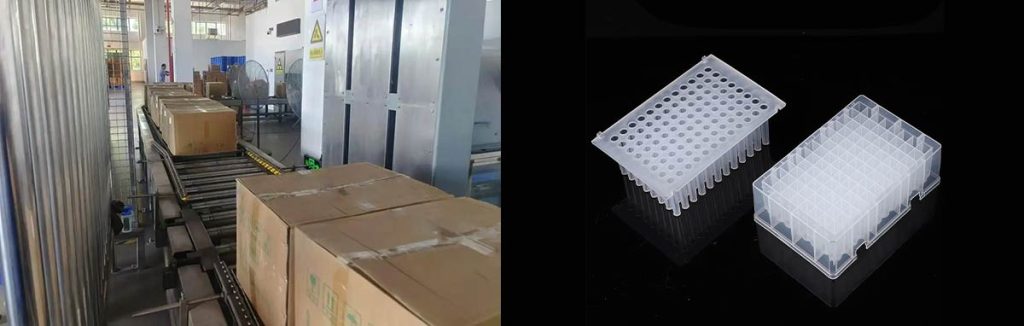
The circular economy depends on advanced solutions for plastics upcycling. E-beam technology and electron beam irradiation equipment drive the circular economy by transforming recycled plastics into high-value materials. The circular approach ensures that recycled plastics support sustainability. Circular supply chains use recycled resources to promote sustainability. The circular economy relies on sustainability to keep recycled materials in use. Circular strategies with e-beam technology improve sustainability. Recycled plastics from circular processes enhance sustainability. The circular economy advances sustainability through recycled innovations. Circular methods with electron beam irradiation equipment boost sustainability. Recycled plastics in the circular economy support sustainability. Circular systems rely on sustainability and recycled materials. The circular economy and sustainability benefit from recycled plastics. Circular thinking with sustainability creates value from recycled resources. The circular economy, sustainability, and recycled plastics shape the future.
The circular economy, powered by e-beam technology and electron beam irradiation equipment, ensures sustainability through circular solutions and recycled materials.
FAQ
What Is the Role of the Circular Economy in Plastics Recycling?
The circular economy promotes sustainable plastics management by designing products for recyclability and reducing waste. It encourages reuse and recycling, minimizing environmental impact. This approach supports a circular system where plastics stay in use longer, aligning with the goals of the circular economy.
How Does E-beam Technology Support the Circular Economy?
E-beam technology enhances plastics’ properties, making recycling more efficient. It enables the transformation of waste into high-quality materials, supporting circular strategies. Electron beam irradiation equipment helps create recycled plastics that meet industry standards, advancing the circular economy’s sustainability goals.
Why Is High-quality Recycled Plastic Important?
High-quality recycled plastics meet performance standards, encouraging industry adoption. They reduce reliance on virgin materials, support circular systems, and minimize waste. The circular economy benefits from these plastics by maintaining material value and promoting sustainable growth.
How Does Electron Beam Irradiation Equipment Improve Recycling Processes?
This equipment directs high-energy electrons onto plastics, breaking down polymers. It improves compatibility between different materials and enhances mechanical properties. These advancements support the circular economy by enabling more effective upcycling and creating valuable recycled products.
What Are Future Trends for E-beam in Plastics Upcycling?
Demand for electron beam irradiation equipment will grow as the circular economy expands. It will enable innovative recycling solutions, improve material quality, and support sustainable packaging. The technology’s role will become increasingly vital in achieving a truly circular system.