


Electron beam sterilization equipment depends on three essential utilities: electrical power, cooling water, and compressed air. Each utility comes with specific requirements that support safe and efficient operation. Unlike gamma sterilization, which uses radioactive materials, electron beam sterilization relies on grid electricity, offering a safer and more sustainable process. Facilities benefit from rapid processing times, as electron beam sterilization can complete cycles in seconds, while other methods such as Ethylene Oxide may require days.
Capabilities E-Beam EtO Sterilization Source Grid electricity Ethylene Oxide gas Processing Time Seconds Days Sustainability & Environmental Impact As clean as the electricity used to power the system Toxic gas must be contained EPA legislating new limits now
Key Takeaways
- Electron beam sterilization requires three main utilities: electrical power, cooling water, and compressed air. Each utility plays a crucial role in ensuring safe and efficient operation.
- A stable power supply is essential. Facilities should install surge protection and backup systems to prevent disruptions and protect sensitive equipment.
- Cooling systems must effectively manage heat. Regular maintenance and monitoring of water quality are vital to prevent overheating and ensure optimal performance.
- Compressed air quality is critical. Facilities should maintain high purity levels and regularly check air filters to avoid damaging pneumatic components.
- Proper planning and coordination of utilities can prevent costly delays. Facility managers should consult with experts to ensure all systems work together seamlessly.
Power for Electron Beam Sterilization Equipment
Voltage and Current Needs
Electron beam sterilization equipment demands significant electrical power to operate safely and efficiently. Facilities must provide electrical hookup power that often exceeds three times the rated beam power. This extra capacity supports not only the accelerator but also auxiliary systems such as controls and safety interlocks.
Operators should understand the typical voltage and current specifications for electron beam accelerators.
- The operating voltage range usually falls between 90 keV and 300 keV.
- Some accelerators can adjust to lower voltages, such as 100 keV, to suit specific applications.
- Beam current is measured in milliamps, often labeled as “I” in technical documentation.
These specifications help determine the type of electrical infrastructure a facility needs. Matching the correct voltage and current ensures the equipment runs smoothly and avoids unnecessary downtime.
Stable Power Supply
A stable and reliable power supply is critical for electron beam sterilization equipment. Fluctuations in voltage or current can disrupt the sterilization process and may damage sensitive components. Facilities should install surge protection and voltage regulation devices to maintain consistent power delivery.
Tip: Facilities can use uninterruptible power supplies (UPS) and backup generators to protect against outages and electrical disturbances.
Stable power not only protects the equipment but also ensures that sterilization cycles remain consistent. This reliability is essential for meeting regulatory standards and maintaining product safety.
Facility Preparation
Preparing a facility for electron beam sterilization equipment involves careful assessment of the existing electrical infrastructure. Facility managers should:
- Review the total power requirements, including both the accelerator and support systems.
- Inspect wiring, circuit breakers, and transformers to confirm they meet the necessary specifications.
- Upgrade electrical panels and install dedicated circuits if needed.
- Schedule regular maintenance checks to prevent unexpected failures.
Facility teams should work with qualified electricians and engineers during installation and upgrades. Proper planning reduces the risk of costly delays and ensures the equipment operates at peak performance.
Cooling Water Systems
Flow and Temperature Specs
Electron beam sterilization equipment generates significant heat during operation. The cooling system must remove up to 76% of the total beam power to prevent overheating. Proper flow rates and temperature control keep the accelerator and its components within safe operating limits. Most manufacturers specify the required water flow in gallons per minute and set strict temperature ranges for inlet and outlet water. Operators should monitor these values closely to avoid performance issues or equipment damage.
Note: Insufficient cooling can lead to unexpected shutdowns or reduced sterilization efficiency.
Chilled and Deionized Water
Many facilities use both chilled-water and deionized water systems to manage heat. Chilled water absorbs heat from the accelerator and auxiliary systems, while deionized water protects sensitive components from mineral buildup and corrosion. Deionized water also reduces the risk of electrical shorts, which can occur if minerals accumulate inside the system.
Operators should ensure that water quality meets the manufacturer’s standards. Deionized water must have low conductivity and minimal organic content. Chilled water should maintain a consistent temperature, usually between 40°F and 60°F, to maximize heat removal.
Maintenance Tips
Regular maintenance keeps cooling systems reliable and efficient. Facility teams should follow a strict schedule to prevent scale, corrosion, and microbial growth.
- Clean chiller tubes at least once a year. Increase cleaning frequency if the system uses an open cooling tower.
- Clean or blow down strainers every three months, especially those before pumps.
- Replace cartridge filters every 3-6 months, depending on water quality and system design.
- Perform a thorough initial cleaning for new systems or after periods of inactivity.
- Treat water with chemicals to control scale, corrosion, and bacteria. Conduct weekly visual checks and test chemical levels monthly.
Monitoring water quality is just as important as physical maintenance. Facilities can use several techniques to track system health:
- Turbidity sensors measure water clarity and detect suspended particles.
- Total Organic Carbon (TOC) analyzers track organic material that can support microbial growth.
- Conductivity meters monitor dissolved solids and help prevent scaling.
- Real-time sensors continuously track parameters like conductivity, pH, and oxidant levels, allowing for automated adjustments.
- Routine water sampling checks for microbial activity, alkalinity, and hardness.
- Maintain pH between 6.5 and 8.5 to prevent scaling or corrosion.
- Test regularly for Legionella and biofilm formation to protect health and safety.
- Manage hardness and alkalinity to optimize system efficiency.
Tip: Consistent monitoring and maintenance extend the life of electron beam sterilization equipment and reduce the risk of costly repairs.
Compressed Air Requirements
Pressure and Purity
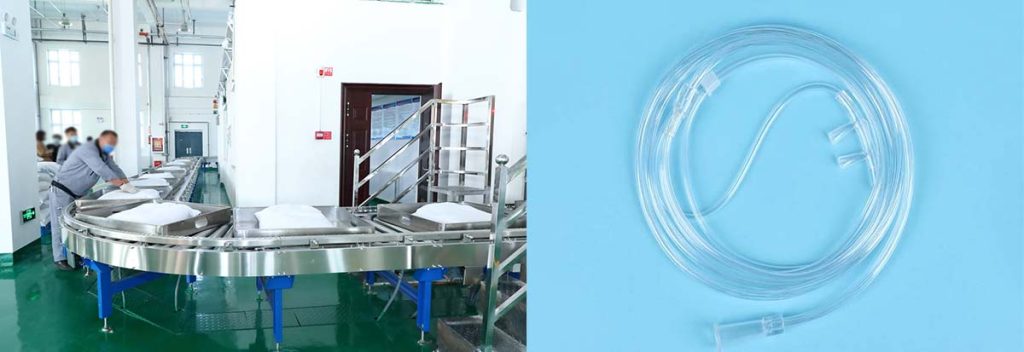
Compressed air plays a vital role in the operation of electron beam sterilization equipment. Manufacturers specify the required air pressure, which usually falls between 80 and 120 psi. This pressure ensures that pneumatic actuators, valves, and safety interlocks function correctly. Facilities must also maintain high air purity. Oil, moisture, and particulates can damage sensitive components or cause malfunctions. Many systems use inline filters and dryers to remove contaminants before the air enters the equipment.
Tip: Regularly check air filters and replace them according to the manufacturer’s schedule. Clean, dry air extends the life of pneumatic parts and reduces maintenance needs.
System Role
Compressed air supports several critical functions within electron beam sterilization. Pneumatic actuators open and close shielding doors, operate safety shutters, and control product conveyors. Air-driven systems often provide faster and more reliable movement than electric motors in these applications. Compressed air also powers emergency stop mechanisms, which protect both operators and equipment during faults.
Operators should understand each air-powered component and its role in the sterilization process. Proper air supply ensures that safety systems respond instantly and that product handling remains smooth and efficient.
Reliable Supply
A consistent supply of compressed air is essential for uninterrupted operation. Facilities should install air compressors with enough capacity to meet peak demand. Backup compressors or air storage tanks can prevent downtime if the main system fails. Routine inspections help identify leaks or pressure drops before they affect performance.
- Monitor air pressure gauges daily.
- Listen for unusual noises from compressors.
- Inspect hoses and fittings for wear or leaks.
Note: Reliable compressed air keeps electron beam sterilization equipment running safely and efficiently. Investing in quality air systems pays off through fewer breakdowns and longer equipment life.
Utility Planning and Integration
Coordinating Utilities
Successful operation of electron beam sterilization equipment depends on careful coordination of all utilities. Facility managers must ensure that electrical power, cooling water, and compressed air systems work together seamlessly. Planning starts with a detailed review of each utility’s specifications and capacity. Teams should map out utility lines, identify connection points, and check compatibility with existing infrastructure.
Collaboration between engineering, maintenance, and operations teams helps prevent oversights. Regular meetings allow staff to share updates and address potential issues early. Facilities often benefit from consulting with experts who specialize in system integration. These professionals can recommend upgrades, design improvements, and strategies for smoother installation.
A variety of services support effective utility integration. The table below highlights some proven solutions:
| Service Type | Description |
|---|---|
| Maintenance | Services that maximize system availability and minimize downtime. |
| Design & Engineering | Tailored solutions for modernization, upgrades, and integration. |
| Consulting Services | Expert advice to optimize system effectiveness for each facility. |
| System Optimization | Strategies to enhance throughput and manage equipment lifecycle. |
| Compliance Integration | Ensuring systems meet ISO 11137 standards during integration. |
Facilities that coordinate utilities from the start reduce the risk of delays and costly modifications.
Overcoming Challenges
Facilities often face challenges when preparing utilities for electron beam sterilization. Common mistakes can disrupt operations or compromise safety. The following list outlines frequent errors:
- Staff receive insufficient training on sterilization processes and protocols.
- Teams fail to clean or decontaminate instruments properly before sterilization.
- Operators use the wrong cleaning procedure or washer cycle.
- Staff overload or misload the sterilizer.
- The wrong sterilization cycle is selected.
- Monitoring and documentation of sterilization cycles are inadequate.
- Expired or damaged packaging or indicators are used.
- Tracking and tracing of instruments is incomplete.
- Sterilized instruments are stored or handled incorrectly.
- Maintenance of sterilization equipment is insufficient.
- Repairs to equipment are performed incorrectly.
- Communication between departments is lacking.
- Standard guidelines and protocols are not followed.
Facility leaders can avoid these pitfalls by investing in staff training, enforcing clear protocols, and scheduling regular maintenance. Open communication between departments ensures everyone understands their role in supporting electron beam sterilization. By addressing these challenges, facilities maintain high safety standards and reliable performance.
Conclusion
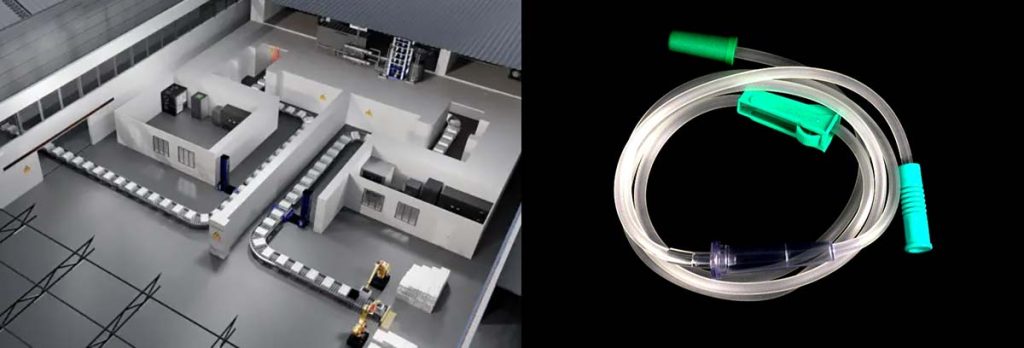
Electron beam sterilization equipment depends on reliable electrical power, efficient cooling water systems, and a steady supply of compressed air. Facility managers should use a checklist to confirm that each utility meets the required standards. They can improve readiness by consulting equipment suppliers or engineers for expert advice and planning. Careful preparation helps facilities achieve safe and effective sterilization.
FAQ
What Utilities Does Electron Beam Sterilization Equipment Need?
Electron beam sterilization equipment requires three main utilities: electrical power, cooling water, and compressed air. Each utility supports a specific function. Reliable supply and proper quality of these utilities ensure safe and efficient operation.
How Often Should Facilities Maintain Cooling Water Systems?
Facilities should perform routine checks weekly and schedule deep cleaning at least once a year. Regular maintenance prevents scale, corrosion, and microbial growth. Operators should monitor water quality to keep electron beam sterilization equipment running efficiently.
Why Is Stable Power Important for Electron Beam Sterilization?
Stable power protects sensitive components and ensures consistent sterilization cycles. Voltage fluctuations can cause equipment failures or process interruptions. Facilities should use surge protection and backup systems to maintain reliability.
What Happens If Compressed Air Quality Drops?
Poor air quality can damage pneumatic parts and cause malfunctions. Oil, moisture, or particulates may clog valves or actuators. Facilities should use filters and dryers to keep compressed air clean for electron beam sterilization equipment.
Can Existing Facility Utilities Support Electron Beam Sterilization Equipment?
Existing utilities may need upgrades. Facility managers should assess current capacity and consult with engineers or equipment suppliers. Proper planning ensures that electrical, water, and air systems meet the demands of electron beam sterilization.