


“Man-in-the-Maze” detection systems shield workers from dangerous exposure by monitoring entry points and movement within e beam sterilization equipment. These systems use advanced sensors to immediately detect human presence, triggering alarms and halting operations if someone enters restricted zones. This technology ensures strict regulatory compliance and offers reassurance to both safety managers and employees.
Key Takeaways
- Man-in-the-maze detection systems protect workers by monitoring restricted areas and stopping operations if someone enters. This immediate response helps prevent dangerous exposure to radiation.
- Regular maintenance and testing of detection systems ensure they function correctly. Facilities should schedule routine checks to keep safety measures reliable.
- Access protocols control who can enter hazardous areas. Workers must follow specific steps, like using key cards and wearing protective gear, to enhance safety.
- Integrating detection systems with e beam sterilization equipment creates a unified safety network. This coordination reduces human error and simplifies compliance with safety regulations.
- Investing in advanced detection technology leads to fewer injuries and less downtime. A safer workplace boosts employee trust and morale, making operations more efficient.
E Beam Sterilization Equipment Overview
How E Beam Sterilization Works?
E beam sterilization equipment uses advanced technology to eliminate harmful microorganisms from medical devices and other products. The process relies on high-energy electrons that penetrate materials and disrupt the cellular structures of microbes. This action inactivates bacteria, viruses, and other pathogens, ensuring effective sterilization while preserving the integrity of the items being treated.
The main components and operational principles of e beam sterilization equipment include:
- Linear accelerator: Converts electrical energy into high-energy electrons.
- Conveyor system: Moves products through the electron beam for uniform exposure.
- Concrete bunker: Contains radiation and ensures safety during operation.
- Controlled environment: Maintains precise conditions for consistent results.
The electron beam process generates ionizing radiation inside the product, destroying contaminant microbes without leaving dangerous residues. This method is environmentally friendly and does not produce hazardous waste.
Risks of E Beam Sterilization Equipment
Operating e beam sterilization equipment involves several health and safety risks. Workers must understand these hazards to maintain a safe environment.
- Radiation safety: X-rays and high-energy electrons present during operation require strict access controls and specialized training for all personnel.
- High voltage hazards: The equipment operates at high voltages, so workers must follow lock-out/tag-out procedures and use proper insulation to prevent electrical accidents.
- Potential radioactivity: Areas near the electron beam may become radioactive over time. Regular monitoring and management help reduce this risk.
E beam sterilization equipment provides powerful sterilization capabilities, but safety protocols remain essential. Proper training and adherence to safety measures protect workers from potential harm.
Man-in-the-Maze Detection Systems
System Purpose
Man-in-the-maze detection systems serve a critical role in environments where electron beam sterilization takes place. These systems exist to prevent accidental human exposure to hazardous radiation. They monitor access points and internal pathways within the sterilization area. When a person enters a restricted zone, the system detects their presence using advanced sensors. The system then triggers alarms and initiates safety protocols. This immediate response helps protect workers from the dangers associated with high-energy electron.
The primary goal of these detection systems is to create a barrier between workers and active radiation zones. By doing so, they reduce the risk of accidental exposure. Safety managers rely on these systems to maintain a secure workplace. Employees gain confidence knowing that technology actively monitors their safety. The system also supports compliance with strict industry regulations. Regulatory agencies require facilities to implement robust safety measures. Man-in-the-maze detection systems help meet these requirements.
Note: Man-in-the-maze detection systems do not replace training or personal responsibility. They act as an additional layer of protection in the overall safety strategy.
Integration with E Beam Sterilization Equipment
Man-in-the-maze detection systems integrate seamlessly with e beam sterilization equipment. This integration ensures that safety mechanisms work together to protect both workers and products. The detection system connects to the main control panel of the sterilization equipment. When sensors detect a person in a restricted area, the system sends a signal to halt the electron beam. The conveyor system also stops moving products through the exposure area. This coordinated response prevents accidental exposure and equipment damage.
The following table shows how detection systems interface with other safety technologies in e beam sterilization equipment:
| Technology Type | Function |
|---|---|
| Electron Beam | Decontaminates goods and provides shielding to protect the surrounding environment. |
| Automated Conveyor | Controls the exposure time of products under the electron beam for effective sterilization. |
| Isolator Interface | Maintains differential pressure and ensures clean air, enhancing the overall safety system. |
Each component plays a unique role in the safety process. The electron beam sterilizes products while shielding the environment. The automated conveyor ensures precise exposure times. The isolator interface maintains clean air and pressure, supporting a safe workspace. Man-in-the-maze detection systems link these technologies, creating a unified safety network.
Facilities that use e beam sterilization equipment benefit from this integration. The system reduces the chance of human error. It also simplifies compliance with safety standards. By combining detection, alarms, and equipment controls, the facility creates a safer environment for everyone.
Worker Protection
Detection and Alarms
“Man-in-the-Maze” detection systems use a series of sensors to monitor entry points and pathways inside electron beam sterilization areas. These sensors constantly scan for human presence. When a worker enters a restricted zone, the system detects movement right away. The detection process follows a clear sequence:
- Sensors identify a person crossing into a controlled area.
- The system sends a signal to the main control panel.
- Audible and visual alarms activate to alert both the worker and the control room staff.
This immediate response helps prevent accidental exposure to radiation. The alarms serve as a warning, giving workers a chance to exit the area before any risk occurs. Facility staff can also respond quickly to the alert, ensuring that no one remains in a hazardous zone. By using both sound and light signals, the system makes sure that everyone receives the warning, even in noisy or busy environments.
Tip: Regular testing of detection and alarm systems ensures they work correctly and provide reliable protection for all employees.
Interlocks and Fail-Safes
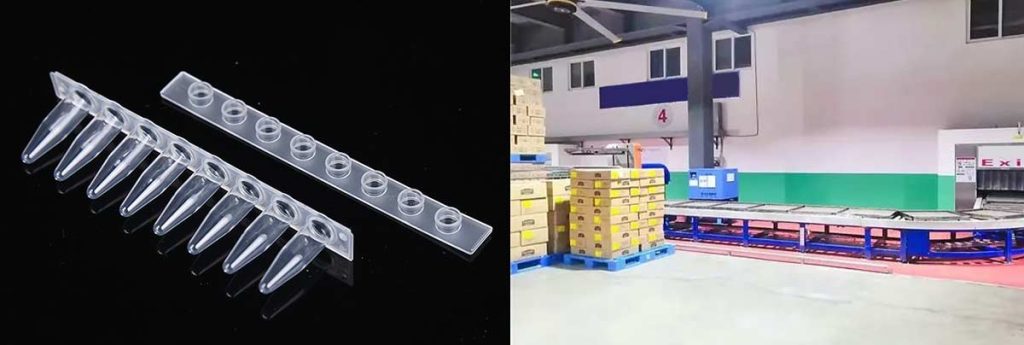
Interlocks and fail-safes form the backbone of the safety system in e beam sterilization equipment. Interlocks are safety devices that prevent the electron beam from operating when someone is inside a restricted area. The system follows these steps:
- When a sensor detects a person, it triggers the interlock mechanism.
- The interlock sends a command to shut down the electron beam and stop the conveyor system.
- The system remains locked until sensors confirm that the area is clear of personnel.
Fail-safes add another layer of protection. If the main detection or interlock system fails, the fail-safe will automatically keep the equipment in a safe state. This means the electron beam cannot start until all safety checks pass.
Common failure modes for interlocks include hardware problems like sensor malfunctions, software issues such as coding mistakes, and human errors during operation. Facilities address these risks by performing regular maintenance on interlock devices, testing and updating software, and providing thorough training for all operators. These steps help ensure that the safety systems remain reliable and effective.
Note: Combining detection, alarms, interlocks, and fail-safes creates a strong safety net. This approach protects workers from accidental exposure and supports a safe workplace.
Safety Features
Sensors and Controls
Modern electron beam sterilization equipment uses a network of sensors and logic controls to keep workers safe. Sensors monitor entry points, internal pathways, and even environmental conditions. These devices detect when someone enters a restricted area. The system then sends a signal to the main control panel. Logic controls process this information and decide how the equipment should respond.
Sensors can include motion detectors, pressure mats, and infrared beams. Each type of sensor adds a layer of protection. When a sensor detects movement, the system activates alarms and stops the electron beam. This immediate response prevents accidental exposure to radiation. The logic controls also ensure that the equipment cannot restart until the area is clear. This process creates a secure environment for operators and minimizes the likelihood of accidents.
Regular maintenance of sensors and controls helps prevent equipment malfunctions. Facilities that schedule routine checks reduce the risk of safety system failures.
Access Protocols
Access protocols set clear rules for entering and exiting electron beam sterilization areas. Facilities use these protocols to control who can enter restricted zones. Workers must follow specific steps before entering, such as signing in or using a key card. The system may require workers to wear personal protective equipment (PPE) before access is granted.
Access protocols often include training sessions for all employees. Training teaches workers how to use the equipment safely and what to do in an emergency. Comprehensive training fosters a culture of safety and preparedness among workers. Facilities also use engineering controls, such as shielding, to protect against radiation and harmful fumes.
The following table summarizes key safety measures and their long-term benefits:
| Safety Measure | Long-term Benefit |
|---|---|
| Secure environment for operators | Minimizes the likelihood of accidents |
| Engineering controls (e.g., shielding) | Protects against radiation and harmful fumes |
| Personal protective equipment (PPE) | Reduces exposure to hazards, enhancing worker safety |
| Regular maintenance | Prevents equipment malfunctions that could lead to accidents |
| Comprehensive training | Fosters a culture of safety and preparedness among workers |
By combining sensors, logic controls, and strict access protocols, electron beam sterilization facilities create a strong safety net. These features work together to prevent accidental exposure and keep workers safe every day.
Effectiveness and Benefits
Incident Prevention
Man-in-the-maze detection systems play a vital role in preventing incidents in facilities that use electron beam sterilization. These systems monitor restricted zones and respond instantly when they detect unauthorized entry. Sensors and alarms work together to stop the operation of e beam sterilization equipment before any worker faces exposure. This rapid response limits the risk of injury and helps maintain a safe environment. Facilities that use these systems report fewer accidents and less downtime caused by safety investigations. By stopping hazards before they escalate, the technology supports a proactive approach to workplace safety.
Reliability and Compliance
Facilities depend on the reliability of detection systems to meet strict safety standards. Man-in-the-maze systems use advanced sensors and logic controls that operate consistently, even in demanding environments. Automated safety checks ensure that the equipment cannot start unless all safety conditions are met. This reliability helps facilities comply with industry regulations and pass safety audits. Regulatory agencies require robust safety measures for electron beam sterilization. Reliable detection systems make it easier for managers to demonstrate compliance and maintain certification.
Workplace Advantages
Advanced detection systems offer several workplace benefits beyond basic safety. Facilities experience less downtime because the technology reduces human error and prevents injuries. Employees trust the system, which builds accountability and improves morale. The following list highlights key workplace advantages:
- Fewer injuries lead to reduced downtime from accident investigations.
- AI-driven safety features increase employee trust and engagement.
- Faster response times prevent issues from escalating, minimizing disruptions.
- Transparent incident management strengthens workplace morale.
- Automation lowers the administrative burden, allowing staff to focus on strategic tasks.
These advantages create a safer, more efficient, and more positive work environment. Facilities that invest in modern detection systems see improvements in both safety and productivity.
Conclusion

“Man-in-the-Maze” detection systems play a vital role in protecting workers who operate electron beam sterilization equipment. These systems detect human presence, trigger alarms, and stop hazardous processes. Facilities that invest in advanced safety technology and maintain regulatory compliance create safer workplaces.
Ongoing commitment to safety ensures that electron beam sterilization remains both effective and secure for everyone involved.
FAQ
How Does a “Man-In-The-Maze” Detection System Work in Electron Beam Sterilization?
Sensors monitor entry points and pathways. When a person enters a restricted area, the system detects movement. Alarms activate, and the electron beam sterilization equipment shuts down. This process protects workers from radiation exposure.
What Happens If the Detection System Fails During Operation?
The fail-safe mechanisms keep the electron beam sterilization equipment in a safe state. The system prevents the electron beam from starting until all safety checks pass. Regular maintenance reduces the risk of system failure.
Who Needs Training to Use Electron Beam Sterilization Equipment Safely?
All workers who operate or enter areas near electron beam sterilization equipment require training. Training covers safety protocols, emergency procedures, and proper use of detection systems. Facilities provide ongoing education to maintain safety standards.
Can the Detection System Be Customized for Different Facility Layouts?
Facilities can customize detection systems to fit unique layouts. Sensors and controls adapt to various entry points and pathways. This flexibility ensures that electron beam sterilization equipment remains safe in different environments.