


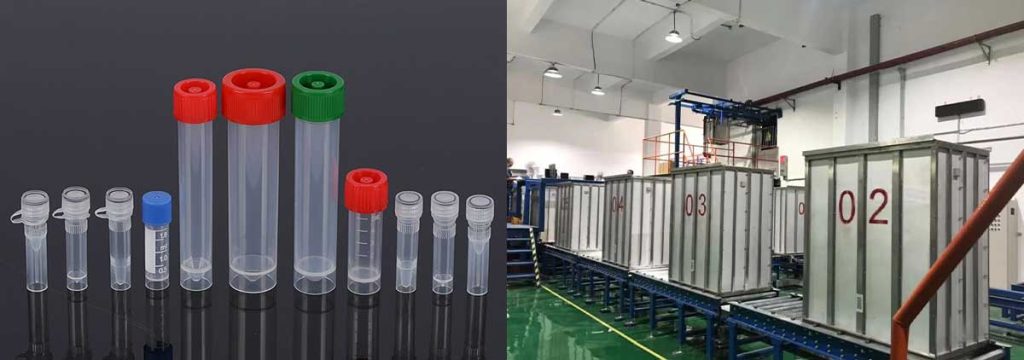
Temperature plays a critical role in determining the success of electron beam irradiation. Many industries, such as polymers and medical device manufacturing, rely on precise temperature control to achieve desired results. Even a small change in heating rate can significantly alter product properties. For example, higher heating rates during electron beam treatment can increase char yield and affect the final quality.
| Treatment Type | Temperature Range (°C) | Char Yield (%) | Heating Rate (°C/min) |
|---|---|---|---|
| EBI Treated | 200 – 250 | 34.4 | 2 |
| Untreated | – | 12.1 | 0.5 |
Careful management of heating during treatment helps reduce risks and unlocks unique benefits for industrial applications.
Key Takeaways
- Temperature control is crucial during electron beam irradiation. It directly affects material properties and product quality.
- Higher heating rates can increase char yield and alter the final characteristics of materials like polymers and metals.
- Monitoring temperature accurately during irradiation helps prevent unwanted degradation and maintains product integrity.
- Adjusting irradiation settings, such as dose rate and exposure time, can minimize excessive heating and protect sensitive materials.
- Selecting appropriate packaging materials enhances heat dissipation and supports the stability of products during electron beam processes.
Temperature Effects in Electron Beam Irradiation
Immediate Impact on Materials
Temperature changes during electron beam irradiation can cause rapid and sometimes dramatic alterations in material structure. When materials such as PTFE undergo heating, their internal crystal units reorganize and grow larger. This process often removes oxidized chemicals, which helps break down the material into gas more efficiently. The temperature increase at the surface can reach up to 15 °F, but this rise drops sharply with depth. For example, quartz substrates can experience a 62 °F increase, while silicon substrates may see an 18 °F rise under specific current densities. These differences highlight the importance of temperature measurements during electron beam irradiation.
The effects of electron irradiation depend on several factors, including the accelerating energy, the angle of the incident electron beam, scanning duration, and the type of material. The table below summarizes how these parameters influence temperature rise:
| Parameter | Effect On Temperature Rise |
|---|---|
| Accelerating Energy | Inversely proportional to temperature rise |
| Incident Electron Beam Angle | Significantly affects temperature profile |
| Scanning Duration Time | Affects temperature rise in insulators like SiO2 |
| Material Type | Different responses observed in Cu and SiO2 |
Polyimide responds to electron beam induced heating with changes in its physical and chemical structure. The temperature effects on radiation induced phenomena include the formation of free radicals and increased oxidation. In polymers such as HDPE and UHMWPE, irradiation produces alkyl macroradicals. As the irradiation temperature rises, these macroradicals decay more quickly. The decay rate peaks at certain temperatures, showing a clear temperature dependence. After irradiation, these radicals move from crystalline to amorphous phases, where they react with oxygen to form oxidized products.
The mechanisms behind these changes involve hydrogen atoms and alkoxy radicals converting rapidly through hydrogen abstraction. The balance between different radical concentrations influences the rate of oxidation reactions. Termination reactions, where radicals combine, depend on how easily the molecules can approach each other, which is affected by the structure of the material.
Polyimide film, often used in electronics and aerospace, shows significant changes in its thermal properties when exposed to electron beam irradiation. The heating can lower the degradation temperature, making the material more susceptible to breakdown. The effects of electron irradiation on polyimide include both immediate and long-term changes, which can impact product performance.
Long-Term Changes in Properties
Long-term exposure to elevated irradiation temperature leads to lasting changes in material properties. In metals, dislocation loops grow in size and density as the irradiation dose increases. Manganese segregation at grain boundaries becomes more pronounced at higher temperatures, while chromium segregation is suppressed. Interestingly, void formation does not occur even at elevated temperatures, which suggests that some materials resist certain types of damage.
Mechanical properties also shift with prolonged electron beam irradiation and heating. The table below outlines these changes:
| Mechanical Property Changes | Observations |
|---|---|
| Tensile Strength | Increased with radiation dosage |
| Young’s Modulus | Increased with radiation dosage |
| Peak Strain | Increased with radiation dosage |
| Permanent Elongation | Decreased with radiation dosage |
Polyimide demonstrates a strong response to temperature effects on radiation induced phenomena. Its tensile strength and Young’s modulus increase, but permanent elongation decreases. These changes can benefit some applications but may limit flexibility in others.
Temperature effects also appear in the thermal properties of polymers. Electron beam irradiation reduces the melting temperature in blends such as LDPE, HDPE, and PP. The decrease in peak melting temperature is most pronounced in PP. PET samples show a significant reduction in melting point after irradiation doses above 240 kGy. These shifts in crystallization and melting temperatures can affect how materials perform in high-temperature environments.
The temperature increase during irradiation can also influence packaging choices. Materials with higher degradation temperature or better resistance to heating may perform better in demanding applications. Polyimide, with its unique combination of thermal stability and flexibility, often serves as a preferred choice for packaging in electronics and aerospace.
Note: Careful control of irradiation temperature and heating rates ensures that materials retain their desired properties and avoid unwanted degradation. Monitoring temperature dependence and using accurate temperature measurements help maintain product quality.
Causes of Electron Beam Induced Heating
Energy Absorption Mechanisms
High-energy electron irradiation causes heating in materials through several energy absorption mechanisms. When energetic electrons strike a polymer, they transfer energy to the covalent bonds within the material. This process, known as radiolysis, breaks molecular bonds and produces radicals. The following points summarize the main mechanisms:
- Energetic electrons break covalent bonds in polymers, leading to radical formation.
- Excited electrons in these bonds release heat as they return to their original state.
- The heat generated during these processes does not dissipate efficiently in polymers, resulting in a local temperature increase.
Polyimide and polyimide film experience significant heating due to these mechanisms. The irradiation temperature rises quickly, especially in areas where the material cannot conduct heat away efficiently. This temperature dependence affects the thermal properties and degradation temperature of polyimide. Accurate temperature measurements help researchers understand how irradiation temperature influences the effects on polymer structure and performance.
Role of Irradiation Equipment Design
The design of electron beam irradiation equipment plays a crucial role in determining the extent of heating during treatment. Several factors influence how much the irradiation temperature rises in polyimide and other materials. The table below outlines key equipment-related factors:
| Factor | Description |
|---|---|
| Electron Energy | Higher energies increase electron penetration, leading to greater heating effects. |
| Beam Power | Increased beam power enhances the heating effect during irradiation. |
| Material Handling Systems | Configuration affects heat generation and dose uniformity during the irradiation process. |
At higher radiation doses, which are often necessary for crosslinking polyimide, the irradiation temperature shows a slight but important increase. Studies have measured local temperature increments during electron beam irradiation at various accelerating voltages and beam currents. For example, when the beam spot diameter remains fixed and the measurement time is set, the local temperature increment increases linearly with the incident electron flux. This relationship demonstrates that heating power is proportional to both the acceleration voltage and the electron current.
Polyimide packaging often requires careful control of irradiation temperature to prevent unwanted changes in thermal properties. The temperature increase during electron beam induced heating can lower the degradation temperature of polyimide, affecting its long-term performance. Monitoring temperature dependence and using precise temperature measurements ensures that polyimide maintains its desired characteristics after electron beam irradiation.
Effects of Electron Beam Irradiation on Material Properties
Mechanical and Structural Changes
Electron beam irradiation and the resulting heating can significantly alter the mechanical and structural characteristics of materials. Polyimide and polyimide film often show increased gel content and tensile strength after exposure to irradiation temperature changes. The following table summarizes these changes:
| Property | Before Irradiation | After Irradiation | Change |
|---|---|---|---|
| Gel Content | ~20% | ~40% | Increased by 20% |
| Tensile Strength (MPa) | 45 | 59 | Increased by 14 MPa |
| Glass Transition Temp | N/A | Increased | N/A |
Polyimide demonstrates a clear temperature dependence in its response to electron beam heating. The glass transition temperature rises, which improves the material’s resistance to deformation under heat. Aluminum/epoxy composites also benefit from enhanced stability up to a dose of 100 kGy, showing that electron beam irradiation can improve both thermal and mechanical properties.
The study documents that electron beam irradiation leads to permanent changes in the ring statistics of silica glass, which remain even after the irradiation stops. Additionally, annealing at temperatures between 500°F and 1000°F can recover these structural changes. The process of radiolysis loosens the silica structure, allowing for a relaxation of the glass network, which results in a decrease in the average Si–O–Si angle. Furthermore, a transition from brittle to ductile behavior has been observed in various glasses under electron irradiation, indicating significant alterations in their mechanical properties.
Polyimide’s structural integrity often improves after irradiation, but some materials may experience degradation of mechanical properties. For example, the transition from brittle to ductile behavior in glasses shows how electron-beam induced heating can change the way materials respond to stress. These structural changes can benefit certain applications, but they may also limit the use of some materials in high-stress environments.
Chemical and Thermal Modifications
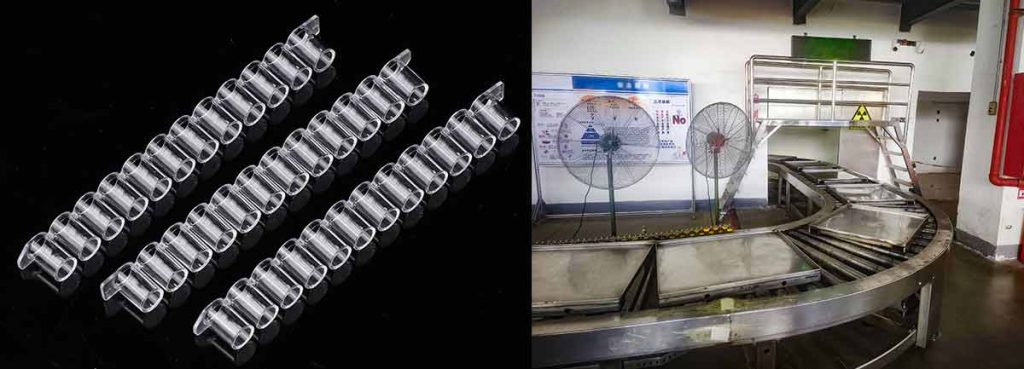
Heating during electron beam irradiation triggers a range of chemical and thermal modifications in polymers and composites. Polyimide undergoes long chain branching and chain scission, especially when the irradiation temperature exceeds the glass transition temperature. The following table highlights key chemical changes in PLA fibers:
| Modification Type | Description |
|---|---|
| Long Chain Branching (LCB) | Introduced into the PLA matrix when irradiated above the glass transition temperature (Tg). |
| Changes in Crystallinity | High crystallinity degrees in PLA fibers counteract the branching effect in amorphous regions. |
| Chain Scission | Induced mainly in the rigid crystalline domains, affecting tensile strength. |
| Increased LCB Molecules | Significantly increased by reducing PLA fiber crystallinity and applying higher irradiation doses. |
Polyimide and other polymers show a strong response to irradiation temperature, with heating leading to increased oxidation and changes in crystallinity. The effects of electron beam heating include a decrease in melting and crystallization temperatures, which can impact the performance of polyimide in high-temperature applications. The degradation temperature of polyimide may drop, making it more susceptible to breakdown under continued heating.
- The thermal oxidation effect increased by 18.0% after 0.4 MeV irradiation and by 16.7% after 4.0 MeV irradiation for the same absorbed dose of 50 kGy.
- The starting oxidation temperature decreased by 5% on the absolute (°Felvin) scale after 4.0 MeV irradiation, reaching 331 °C.
- The thermal oxidation value rose from 7898 J/g to 9326 J/g (18.0%) after 0.4 MeV irradiation.
Polyimide film often requires careful temperature measurements to ensure that chemical changes do not compromise its function. The temperature increase during irradiation can accelerate oxidation and other reactions, which may lead to degradation of mechanical properties if not properly managed. Packaging materials must be selected with these effects in mind to maintain product quality.
Impact on Sensitive Components
Sensitive materials, such as biological samples and certain organic compounds, are especially vulnerable to temperature increases during electron beam irradiation. Polyimide, while robust, can still experience degradation of mechanical properties if exposed to excessive heating or prolonged irradiation temperature. The following table outlines the implications for sensitive components:
| Findings | Implications |
|---|---|
| E-beam irradiation leads to degradation and cross-linking in polymer blends. | Affects mechanical properties and thermal stability, indicating loss of function. |
| Prolonged exposure to air after irradiation worsens thermal properties. | Further deterioration of sensitive components is observed. |
- Biological materials, which are primarily composed of elements with low atomic numbers, are particularly susceptible to damage from electron beam.
- The major damage mechanism involves bond breakage, including carbon-carbon bonds, indicating that organic materials are also vulnerable.
- The study focused on anthophyllite asbestos fibers and examined how lowering the temperature using liquid nitrogen affected damage during electron beam analysis.
- It was found that at the lowest temperature (123 °F), there was a significant reduction in damage caused by the electron beam.
Polyimide and other polymers used in sensitive applications must be protected from excessive irradiation temperature and heating. Careful control of electron beam heating and regular temperature measurements help prevent unwanted degradation. The effects of electron beam irradiation on sensitive materials highlight the importance of understanding temperature dependence and selecting appropriate packaging to ensure long-term stability.
Factors Influencing Temperature Rise
Material Type and Composition
Material type and composition play a major role in determining how much heating occurs during electron beam irradiation. Polyimide demonstrates strong temperature dependence because its molecular structure responds quickly to irradiation temperature changes. Polyimide film, with its unique arrangement, often shows different thermal properties compared to other polymers. High-energy electron beam exposure causes heating that varies based on the density and atomic makeup of the material. Polyimide, for example, resists degradation temperature shifts better than many other polymers. The effects of irradiation temperature on polyimide include changes in mechanical strength and flexibility. Temperature measurements help researchers track how polyimide and other materials respond to electron-beam induced heating.
Packaging and Configuration
Packaging configuration affects heat dissipation and temperature rise during electron beam irradiation. The way polyimide and other polymers are packed can change how much heating occurs. Studies show that packaging conditions influence both thermal properties and mechanical stability. For instance, vacuum-packed PEBA samples experience higher irradiation temperature and reduced radiation resistance. Polyimide packaging often helps control heating, but improper configuration can lead to unwanted temperature increase. The choice of packaging impacts the degradation temperature and overall performance of polyimide during irradiation. Careful selection of packaging materials and methods ensures that polyimide maintains its desired thermal properties.
Tip: Adjusting packaging configuration can help manage heating and protect sensitive materials from excessive irradiation temperature.
Irradiation Parameters and Dose Rate
Irradiation parameters and dose rate directly affect the amount of heating during electron beam irradiation. Polyimide responds to changes in irradiation temperature based on the settings used. Higher dose rates and longer exposure times increase heating, which can lower the degradation temperature of polyimide. The table below shows how different radiation doses and product states influence temperature increase:
| Radiation Dose (Dmin) | Product State | Typical Temperature Increase (°C) |
|---|---|---|
| 5 kGy | Frozen, high water content | 2-5 |
| 25 kGy | Liquid, high water content | 6-12 |
Polyimide and polyimide film require precise control of irradiation temperature to avoid unwanted heating. Temperature measurements during processing help maintain optimal thermal properties. Adjusting irradiation parameters allows operators to minimize temperature increase and protect polymer integrity. The effects of electron-beam induced heating depend on careful management of dose rate and exposure time.
Monitoring and Managing Temperature
Temperature Monitoring Methods
Accurate temperature measurements are essential for controlling irradiation temperature during electron beam irradiation. Operators use several advanced methods to monitor heating in real time. The table below summarizes the most effective techniques for assessing irradiation temperature during processing:
| Method Type | Description | °Fey Features |
|---|---|---|
| Thermal Imaging | A contactless method that captures temperature distribution in real-time. | Provides spatial and temporal temperature information. |
| Infrared Pyrometers | Measures temperature from outside the vacuum chamber. | Allows continuous recording without disturbance. |
| Near-Infrared Camera | Captures high-resolution images of temperature fields. | Operates in a specific spectral and temperature range. |
Thermal imaging and near-infrared cameras help visualize temperature increase across the surface of polyimide and polyimide film. Infrared pyrometers allow for continuous monitoring during processing without interfering with the material.
Note: Each method has limitations. Infrared cameras cannot measure subsurface heating, and their pixel size may not capture small melt pools. High beam velocity and low frame rates can cause missed data during rapid heating and cooling.
Control Strategies in Electron Beam Irradiation
Operators use several strategies to manage irradiation temperature and minimize unwanted heating. They adjust beam power, scanning speed, and exposure time to control temperature dependence in polyimide and other polymers. Cooling systems, such as air or liquid cooling, help remove excess heat during processing. Careful selection of irradiation parameters ensures that the degradation temperature of polyimide does not drop below safe limits. Regular temperature measurements during processing help maintain stable thermal properties and prevent damage.
Best Practices for Equipment Use
Best practices for equipment use focus on maintaining consistent irradiation temperature and protecting polyimide from excessive heating. Operators should:
- Calibrate temperature monitoring devices before each processing run.
- Use appropriate packaging to support heat dissipation and prevent temperature increase.
- Schedule regular maintenance for irradiation equipment to ensure accurate control of heating.
- Train staff to recognize the effects of electron-beam induced heating on polyimide and polymer properties.
Following these practices helps preserve the mechanical and thermal properties of polyimide and polyimide film during processing. Careful management of irradiation temperature supports high product quality and reduces the risk of unwanted effects.
Practical Tips for Optimal Results
Material and Packaging Selection
Selecting the right materials and packaging helps minimize risks related to heating during electron beam irradiation. Tough, impermeable packaging materials provide a strong, long-term sterile barrier. This stability is essential for maintaining product integrity when exposed to heating.
| Evidence | Description |
|---|---|
| Packaging Stability | Tough, impermeable packaging materials provide a strong, long-term sterile barrier, which is essential for maintaining integrity during electron beam irradiation. |
Material compatibility is crucial. Operators should always check specific requirements before selecting materials for e-beam processes to ensure safety and effectiveness.
Verifying material compatibility before irradiation is essential to avoid equipment damage and safety risks, which can lead to costly repairs and production delays.
Adjusting Irradiation Settings
Operators can reduce unwanted heating by adjusting irradiation settings. Lowering the dose rate or shortening exposure time helps control the temperature. Adjusting beam power and scanning speed also limits electron-beam induced heating. Polyimide film and other polymers respond well to careful control of these parameters. Operators should monitor temperature dependence and make changes as needed to protect product quality.
Quality Control Measures
Quality control measures ensure that the effects of heating do not compromise product performance. Regular temperature measurements during processing help track changes and prevent overheating. Operators should inspect packaging for damage after irradiation. They should also test the mechanical and thermal properties of each polymer batch. These steps help confirm that the product meets safety and performance standards.
Tip: Consistent monitoring and documentation of heating and temperature changes support reliable results and long-term stability.
Conclusion
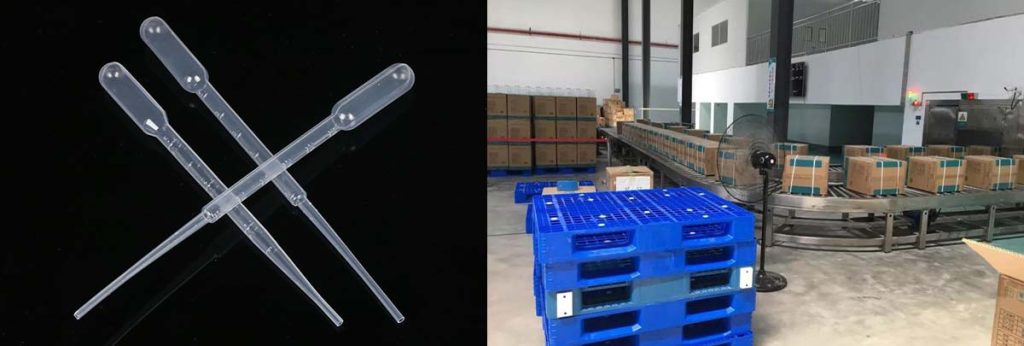
Understanding the temperature dependence of irradiation effects helps industries achieve reliable outcomes with electron beam irradiation. Heating changes the structure and properties of materials like polyimide film. Operators who monitor heating and manage electron-beam induced heating protect product quality. The table below shows how heating control supports food safety and sensory appeal:
| Study Focus | Findings | Impact on Product Quality |
|---|---|---|
| Food Preservation | Dosages below 10 kGy keep food safe and extend shelf life | Maintains nutritional value and texture |
| Microbial Inactivation | Ionizing radiation damages DNA in microorganisms | Extends shelf life of meat products |
| Sensory Characteristics | Various doses preserve pleasant sensory and texture features | Ensures quality over storage time |
Careful management of heating and effects ensures consistent performance.
FAQ
What Is the Main Effect of Temperature During Electron Beam Irradiation?
Temperature changes can alter the physical and chemical properties of materials. They may increase oxidation, cause radical formation, and change melting or crystallization points. These effects impact product quality and performance.
How Can Operators Monitor Temperature During Irradiation?
Operators use thermal imaging, infrared pyrometers, and near-infrared cameras. These tools provide real-time temperature data. Accurate monitoring helps maintain safe processing conditions.
Why Does Packaging Matter for Temperature Control?
Packaging affects heat dissipation. Tough, impermeable packaging helps control temperature rise and protects sensitive materials. Proper packaging selection supports product stability during irradiation.
Can Electron Beam Irradiation Damage Sensitive Materials?
Sensitive materials, such as biological samples and some polymers, may degrade if exposed to excessive heating. Careful temperature management and monitoring reduce the risk of damage.
What Are the Best Practices for Managing Temperature in Electron Beam Processes?
Operators should calibrate monitoring devices, adjust irradiation settings, and select suitable packaging. Regular equipment maintenance and staff training help maintain optimal temperature control.