



Electron beam sterilization equipment demands strict requirements for both foundation strength and floor loading. Engineers must design each installation to withstand at least 250 pounds per square foot, as the weight and operational forces of electron beam sterilization equipment can stress any structure. Material selection plays a vital role in supporting this equipment safely. Inadequate planning for electron beam sterilization equipment may result in structural failure or costly operational disruptions. Proper engineering protects both people and assets when using electron beam sterilization equipment.
Key Takeaways
- Ensure the foundation can support at least 250 pounds per square foot to prevent structural failure.
- Use proper reinforcement methods like thicker slabs and steel rebar to enhance load-bearing capacity.
- Select durable materials, such as reinforced concrete, to withstand operational stresses and maintain integrity.
- Implement vibration isolation techniques to protect equipment performance and ensure consistent sterilization results.
- Follow ISO 11137 compliance for safety and effectiveness, focusing on documentation and regular inspections.
Foundation Load-Bearing for Electron Beam Sterilization Equipment
Minimum Load Requirements (250 Psf)
The foundation for electron beam sterilization equipment must meet strict requirements to ensure safety and stability. Engineering standards specify a minimum load-bearing capacity of 250 pounds per square foot. This value accounts for the heavy weight of the equipment and the dynamic forces during operation. In some cases, concentrated loads can reach up to 3,000 pounds, especially where support columns or machinery feet rest directly on the floor. Meeting these requirements prevents structural damage and supports reliable operation.
Tip: Always verify the load-bearing capacity of the existing foundation before installing electron beam sterilization equipment. This step helps avoid costly repairs and ensures compliance with safety standards.
Structural Reinforcement Strategies
Engineers often reinforce the foundation to handle the unique demands of electron beam sterilization. They may use thicker concrete slabs, add steel rebar, or install support beams beneath high-load areas. These strategies increase the load-bearing capacity and distribute the load more evenly across the structure. Reinforcement also helps the foundation resist vibrations and shifting caused by equipment movement. Proper reinforcement ensures the foundation meets all requirements and supports the equipment throughout its service life.
- Common reinforcement methods include:
- Increasing slab thickness
- Using high-strength concrete mixes
- Adding steel mesh or rebar grids
- Installing load-distribution plates under heavy equipment
Material Selection for Operational Stresses
Material selection plays a critical role in the performance of the foundation for electron beam sterilization equipment. Concrete remains the most popular choice due to its high load-bearing capacity and durability. Engineers may choose reinforced concrete for areas with concentrated loads or frequent operational stresses. In some facilities, they use epoxy coatings or sealants to protect the foundation from chemical spills or moisture. The right materials help the foundation withstand repeated loading cycles and maintain structural integrity over time.
| Material Type | Load-Bearing Capacity | Durability | Common Use Case |
|---|---|---|---|
| Standard Concrete | Moderate | High | General foundation areas |
| Reinforced Concrete | High | Very High | Under heavy equipment |
| Steel Plates | Very High | High | Concentrated load points |
| Epoxy Coatings | N/A | Moderate | Chemical/moisture protection |
Selecting the best materials and reinforcement methods ensures the foundation meets all requirements for electron beam sterilization equipment. This approach protects the facility and supports long-term, trouble-free operation.
Vibration Isolation in Electron Beam Accelerators
Impact on Equipment Performance
Vibration plays a significant role in the operation of electron beam accelerators. These accelerators require precise alignment and stability to deliver consistent results in electron beam sterilization. Even small vibrations can disrupt the electron path, causing fluctuations in beam intensity and direction. This instability can reduce the effectiveness of electron beam sterilization and may lead to inconsistent product quality.
Simulation studies have shown that vibrations can affect synchrotron radiation from electron beam accelerators. Technical notes highlight that vibrations often distort images in scanning electron microscopes, especially at high magnifications. These findings demonstrate that accelerators must operate in environments with minimal vibration to maintain accuracy.
| Evidence Type | Description |
|---|---|
| Simulation Study | Examines the impact of vibrations on synchrotron radiation from accelerators |
| Technical Notes | Discusses methods to reduce distortion in scanning electron microscope images |
Isolation Techniques for Foundations
Facilities use several techniques to isolate electron beam accelerators from vibrations. Engineers often install vibration-damping pads or mounts beneath the accelerators. These pads absorb and dissipate energy, preventing vibrations from reaching the equipment. Some facilities use floating concrete slabs, which separate the accelerators from the main building structure. This method reduces the transfer of external vibrations caused by foot traffic or nearby machinery.
Other isolation strategies include:
- Installing shock-absorbing materials between the foundation and accelerators
- Using spring-based isolation systems for heavy accelerators
- Placing accelerators away from high-traffic areas
These techniques help maintain the stability of electron beam accelerators and support reliable electron beam sterilization.
Ongoing Monitoring and Maintenance
Continuous monitoring ensures that vibration isolation systems for electron beam accelerators remain effective. Facilities use sensors to detect changes in vibration levels around accelerators. Maintenance teams inspect isolation pads and mounts regularly, replacing worn components as needed. They also check for new sources of vibration, such as added equipment or changes in building use.
Tip: Regular maintenance and monitoring protect the performance of electron beam accelerators and extend the life of electron beam sterilization equipment.
Proper vibration isolation supports the accuracy, safety, and efficiency of electron beam accelerators in every electron beam sterilization process.
Shielding and Safety in the Sterilization Process
Radiation Protection Standards
Radiation protection standards play a vital role in the sterilization process. Facilities that use electron beam sterilization must follow strict guidelines to protect workers and the environment. These standards focus on minimizing exposure during the sterilization process by using shielding and maintaining safe distances. Regular equipment checks help prevent malfunctions that could lead to accidental exposure during radiation sterilization. Operators receive training on safe handling and emergency procedures. Regulatory bodies such as the NRC and OSHA oversee the use of electron beam sterilization equipment and set rules for radiation sterilization safety. The AAMI guidelines ensure that medical device sterilization meets industry requirements.

| Standard/Regulation | Description |
|---|---|
| Radiation Protection | Ensures minimal exposure to personnel through shielding and distance. |
| Equipment Safety | Requires regular maintenance checks on electron beam equipment to prevent malfunctions. |
| Training Programs | Mandates training for operators on safe handling and emergency procedures. |
| NRC Regulations | Oversees the use of radioactive materials, including aspects of electron beam technology. |
| OSHA Standards | Sets guidelines to protect workers from radiation hazards. |
| AAMI Guidelines | Critical for medical device sterilization compliance. |
Foundation Integration for Shielding
The foundation supports more than just the weight of electron beam sterilization equipment. It also plays a key role in the sterilization process by integrating shielding directly into the structure. Engineers often embed dense materials, such as concrete or lead, into the foundation to block radiation during the sterilization process. This approach ensures that shielding remains continuous and effective throughout the sterilization process. Proper integration prevents radiation from escaping into adjacent areas, protecting both personnel and sensitive equipment. Facilities that use electron beam sterilization must plan the foundation layout to maintain shielding integrity at every stage of the sterilization process.
Note: Continuous shielding in the foundation reduces the risk of accidental exposure during the sterilization process and supports compliance with radiation sterilization standards.
Material Thickness and Selection
Material thickness and selection determine the effectiveness of shielding in the sterilization process. Engineers calculate the required thickness based on the energy levels used in electron beam sterilization. Higher energy levels in the sterilization process require thicker shielding to absorb radiation. Concrete remains the most common material for shielding in the sterilization process, but some facilities use lead or specialized composites for added protection. The right material and thickness ensure effective shielding and maintain safety throughout the sterilization process. Regular inspections confirm that shielding materials remain intact and continue to provide protection during every radiation sterilization cycle.
Tip: Always consult with radiation safety experts when selecting materials and thickness for shielding in the sterilization process.
Space Planning for Installation and Maintenance
Equipment Footprint and Accessibility
Facilities must allocate substantial space for electron beam sterilization equipment. The footprint includes not only the machinery but also radiation shielding and safety systems. In urban areas, manufacturers often face challenges due to limited space. Concrete shielding walls, sometimes reaching two meters in thickness, add complexity to the installation process. Utility requirements influence the layout, as engineers must plan for electrical supply, cooling systems, and ventilation. Accessibility remains essential for safe operation and routine inspections. Wide aisles and clear pathways allow staff to move equipment and perform utility requirements efficiently.
Tip: Early collaboration with architects and engineers helps optimize space and meet utility requirements for electron beam sterilization installations.
Maintenance and Upgrade Considerations
Routine maintenance ensures the reliability of electron beam sterilization equipment. Facilities encounter challenges such as high capital and operational costs, regulatory complexity, and technological barriers. Dedicated compliance teams streamline regulatory processes, while ongoing staff training addresses technological requirements. Utility requirements play a role in maintenance, as teams must monitor electrical systems, cooling units, and safety interlocks. Upgrade paths often involve transitioning from ethylene oxide or gamma sterilization methods to electron beam sterilization. These upgrades require careful planning, especially regarding material compatibility and radiation dose penetration. Retesting and engineering adjustments may increase costs and utility requirements.
| Maintenance Challenge | Description |
|---|---|
| High Capital and Operational Costs | Strategic partnerships and phased investments help manage expenses. |
| Regulatory Complexity | Compliance teams and engagement with authorities simplify processes. |
| Technological Barriers | Continuous R&D and training maintain technological standards. |
| Supply Chain Challenges | Resilient supply chains reduce disruptions and support utility requirements. |
Scalability for Future Needs
Scalability remains a priority for facilities using electron beam sterilization. Modular equipment designs allow customization for different applications, from medical devices to large-scale food sterilization. Utility requirements must support future expansion, including increased electrical loads and enhanced cooling systems. Companies diversify their portfolios and form strategic partnerships to address unmet demand and improve competitiveness. Planning for scalability ensures that utility requirements and space can accommodate new technologies and higher throughput.
| Strategy | Description |
|---|---|
| Modular equipment designs | Flexible systems enable adaptation for various sterilization needs. |
| Portfolio diversification | Localized product adaptation and partnerships enhance market reach. |
Note: Facilities that anticipate future growth should design utility requirements and space layouts to support upgrades and expansions in electron beam sterilization operations.
ISO 11137 Compliance and Safety Protocols
Regulatory Requirements for Foundations
ISO 11137 compliance sets strict regulatory standards for electron beam sterilization equipment. These requirements focus on the safety and effectiveness of sterilization processes. Facilities must ensure that foundations meet the minimum load-bearing requirements and support the equipment’s operational needs. Regulatory standards demand that the foundation can handle the weight and dynamic forces of electron beam sterilization systems. The standards also require that the foundation integrates shielding to protect workers and the environment from radiation. ISO 11137-1:2006 outlines the main regulatory requirements for electron beam sterilization foundations.
| Aspect | Description |
|---|---|
| Standard | ISO 11137-1:2006 |
| Scope | Specifies requirements for radiation sterilization for medical devices, including electron beam sterilization. |
| Applicability | Primarily for medical devices, but guidance may apply to other products and equipment. |
| Radiation Processes | Covers irradiators using 60Co, 137Cs, electron beams, or X-ray generators. |
Facilities must also establish the correct sterilization dose, implement a quality management system, and maintain accurate records. Regular reviews and revalidation of sterilization processes help ensure ongoing regulatory compliance.
Safety Measures in Facility Design
Facility design must follow regulatory standards to support electron beam sterilization. Safety protocols include shielding integration, emergency exits, and restricted access zones. Engineers select materials that meet regulatory requirements for both structural support and radiation protection. The design must allow for safe operation and maintenance, reducing risks to staff and the public. A quality management system helps facilities monitor safety measures and respond to any issues quickly.
Tip: Early planning with regulatory experts ensures that facility design meets all requirements for electron beam sterilization.
Documentation and Inspection Processes
Accurate documentation and regular inspections are essential for ISO 11137 compliance. Facilities must keep detailed records of sterilization cycles, equipment installation, and maintenance. Regulatory standards require documentation of bioburden data, process validation, and risk management. Inspection protocols include installation qualification (IQ), operational qualification (OQ), and performance qualification (PQ). These steps confirm that the foundation and equipment meet all regulatory requirements.
| Documentation Component | Description |
|---|---|
| Sterilization process specification | Cycle design, SAL target, parameter limits |
| Bioburden and microbial profile | Quantitative data, resistance characteristics, trending |
| IQ-OQ-PQ protocols and reports | Evidence of installation, operational and performance conformity |
| Packaging validation | Seal integrity, barrier performance, aging studies |
| Toxicological and residual analysis | EO, H₂O₂, radiation effects and compliance with limits |
| Risk management alignment | Connection to ISO 14971, hazard controls, residual risk justification |
A quality management system supports ongoing compliance by organizing records and scheduling inspections. Facilities that follow these documentation and inspection processes maintain regulatory compliance and ensure safe, effective electron beam sterilization.
Conclusion
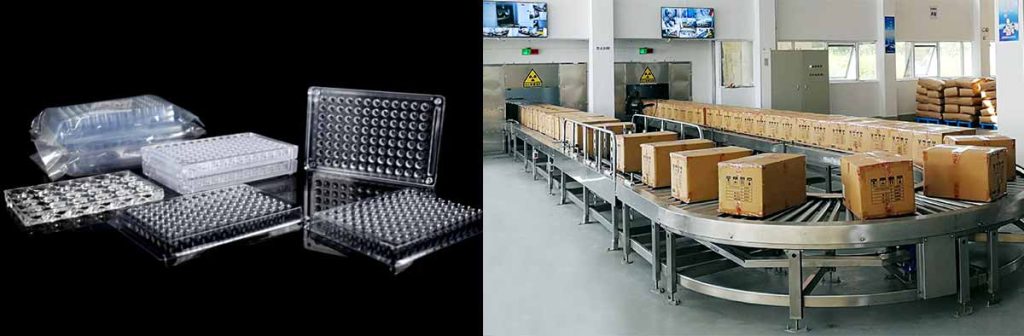
Electron beam sterilization equipment requires strong foundations and careful floor loading. Engineering design, material selection, and regulatory compliance ensure safe and efficient operations. Facility managers should take these steps when planning new or upgraded installations:
- Plan for multiple sterilization modalities to reduce supply chain risks.
- Check material compatibility before changing modalities.
- Address regulatory and cost factors early in the process.
Collaboration with structural and radiation safety experts supports long-term success.
FAQ
What Is the Minimum Foundation Load Requirement for Electron Beam Sterilization Equipment?
Engineers require a foundation that supports at least 250 pounds per square foot for electron beam sterilization equipment. This standard ensures the structure can handle both the equipment’s weight and operational forces.
Why Does Vibration Isolation Matter in Electron Beam Sterilization?
Vibration isolation protects the accuracy of electron beam sterilization. Vibrations can disrupt the electron path, causing inconsistent sterilization results. Facilities use isolation pads and floating slabs to maintain stable operation.
How Does the Foundation Contribute to Radiation Shielding?
The foundation often contains dense materials like concrete or lead. These materials block radiation during electron beam sterilization. Proper integration prevents exposure and supports compliance with safety standards.
What Space Considerations Affect Electron Beam Sterilization Installations?
Facilities must plan for the equipment footprint, shielding, and utility access. Wide aisles and clear pathways allow safe movement and maintenance. Space planning also supports future upgrades in electron beam sterilization operations.
How Does ISO 11137 Impact Foundation Design for Electron Beam Sterilization?
ISO 11137 sets requirements for safety and effectiveness in electron beam sterilization. The standard guides foundation load capacity, shielding integration, and documentation. Compliance ensures safe operation and regulatory approval.