


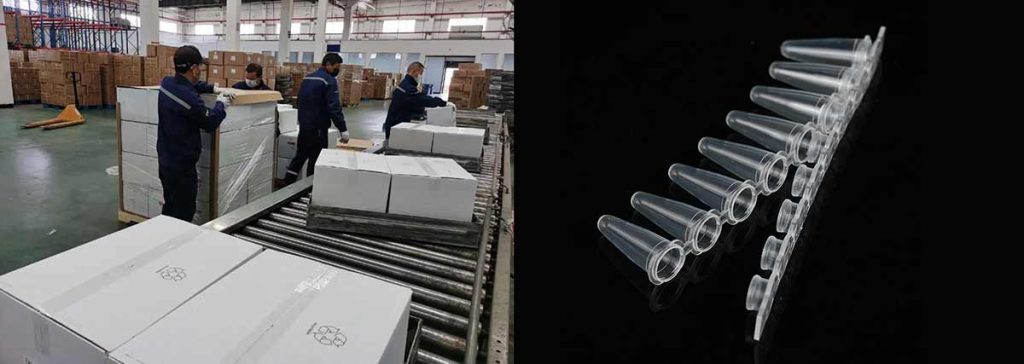
E-beam technology drives innovation in manufacturing by improving product performance, safety, and differentiation. Companies see strong growth in sectors using this method:
- The global market for E-Beam Wafer Inspection Systems reached $1.2 billion in 2023 and may double by 2032.
- Automated semiconductor inspections boost reliability and efficiency.
| Benefit | Description |
|---|---|
| Versatile | Many industries use e-beam for its broad applications. |
| Cost-effective | E-beam offers economical curing and drying. |
| Eco-friendly | The process uses less energy and leaves no harmful residues. |
| Effective sterilization | E-beam destroys organisms, making products safer. |
Readers will discover actionable insights for gaining a competitive advantage.
Key Takeaways
- E-beam technology enhances product performance and safety, making it a valuable tool for manufacturers across various industries.
- Implementing e-beam service can lead to significant cost savings and increased production speed, helping companies stay competitive.
- E-beam sterilization is recognized for its effectiveness in eliminating harmful microorganisms, ensuring product safety without toxic residues.
- The technology supports customization and precision in product design, allowing for rapid prototyping and unique features.
- Adopting e-beam technology contributes to sustainability goals by reducing waste and energy consumption in manufacturing processes.
E-Beam Technology Overview
How Does E-Beam Technology Works?
E-beam technology uses a stream of electrons to interact with materials at a microscopic level. Engineers generate electrons in a vacuum chamber and accelerate them using high voltage. Electromagnetic lenses focus the beam into a precise spot, sometimes as small as one nanometer. When the beam hits a surface, electrons scatter and create signals. Detectors collect these signals, and software processes the data to reveal defects or changes in the material.
E-beam technology allows for precise control of energy in a small area. This process can heat, cure, or modify materials without physical contact. Scientists use electron beam technology to improve product quality and reliability.
| Step | Description |
|---|---|
| Electron Generation | Electrons are generated in a source chamber and accelerated through a high-voltage potential (5-30 kV). |
| Beam Focusing | Electromagnetic lenses focus the beam into a precise spot, achieving sizes as small as 1 nm. |
| Surface Interaction | The focused beam interacts with the wafer surface, triggering backscattering and secondary electron emission. |
| Signal Collection | Detectors capture secondary and backscattered electrons for analysis. |
| Image Processing | Software enhances features and improves defect visibility. |
| Defect Classification | Detected anomalies are categorized based on type and severity. |
| Analysis Integration | Engineers correlate defects with manufacturing processes for continuous improvement. |
Applications in Industry
Many industries rely on electron beam processing for advanced manufacturing and product safety. E-beam sterilization plays a key role in medical device production, ensuring products are free from harmful organisms. The electronics sector uses e-beam technology for lithography and coating, which helps create smaller and more reliable components. Aerospace and automotive companies apply electron beams for surface treatment and welding, improving durability and performance.
| Industry | Primary Applications |
|---|---|
| Aerospace & Defense | Coating, sterilization |
| Automotive | Surface treatment, welding |
| Electronics | Lithography, coating |
| Energy | Sterilization, surface treatment |
| Industrial Equipment | Coating, welding |
| Medical Devices | Sterilization, surface treatment |
Recent trends show that food manufacturers use e-beam technology for microbial decontamination, which increases safety and shelf life. Researchers in polymer science apply electron beams for cross-linking, making materials stronger for use in cars and airplanes. Companies also invest in compact e-beam systems and digital integration to improve efficiency and adapt to new production needs.
Product Value with E-Beam Technology
Quality Enhancement
E-beam technology transforms the physical and chemical properties of materials. Engineers use e-beam to generate free radicals, which create a three-dimensional network structure in polymers. This network improves mechanical strength, chemical resistance, and thermal stability. Manufacturers apply e-beam to cables, wires, tubes, and shape memory products. Crosslinking with e-beam converts thermoplastics into thermosets, which increases stability against heat. The process boosts tensile strength and resistance to abrasions and solvents. Companies see improved performance in thermoplastic materials, which leads to longer-lasting products.
- E-beam generates free radicals for polymer crosslinking.
- Mechanical properties and chemical resistance increase.
- Thermal stability and tensile strength improve.
- Applications include cables, wires, tubes, and shape memory products.
Safety and Sterilization
E-beam sterilization stands out as a reliable method for eliminating harmful microorganisms. The process destroys contaminant microbes by breaking apart their genetic material. Regulatory bodies, such as the FDA, recognize e-beam sterilization as an “Established Category A” modality. Electron beam sterilization equipment uses tightly controlled radiation to ensure product safety. Unlike other sterilization methods, e-beam does not produce lingering radiation or dangerous residues. ISO 11137 covers e-beam sterilization, which ensures safety for medical devices and other sensitive products.
| Evidence Description | Key Points |
|---|---|
| E-beam technology eliminates harmful microorganisms. | Destroys contaminant microbes by breaking apart genetic material. |
| Recognized by regulatory bodies. | FDA classifies as ‘Established Category A’ sterilization modality. |
| Environmentally friendly process. | No lingering radiation or dangerous residues. |
| Controlled radiation for safety. | Ensures products are safe for use by eliminating pathogens. |
| Covered by ISO 11137. | Standard outlines radiation use for sterilizing medical devices. |
Many manufacturers choose electron beam irradiation equipment for its speed, safety, and environmental benefits.
Shelf Life Extension
E-beam technology extends the shelf life of food, medical, and industrial products. Electron beam irradiation kills microorganisms, which allows products to remain safe and usable for longer periods. The process uses non-thermal methods, so it preserves the quality and nutritional value of food. Companies often combine e-beam with modified atmosphere packaging and natural antibacterial compounds to further enhance shelf life.
| Contribution to Shelf Life Extension | Description |
|---|---|
| Elimination of Microorganisms | Electron beam irradiation kills microorganisms, extending storage periods. |
| Non-Thermal Processing | Preserves quality and nutritional value while extending shelf life. |
| Integration with Other Techniques | Works with modified atmosphere packaging and antibacterial compounds for greater efficacy. |
Precision and Customization
E-beam enables manufacturers to achieve high precision and customization in product design. Electron beam lithography creates custom patterns on resist-coated surfaces without physical masks. The technology allows for features as small as a few nanometers, which is essential for advanced manufacturing. E-beam supports rapid prototyping and design adjustments, which increases flexibility in product development. Industries such as integrated circuits, micro-electromechanical systems, nanophotonics, and medical sensors benefit from this capability.
- Electron beam lithography creates custom patterns without physical masks.
- Features as small as sub-10nm are possible.
- Rapid prototyping and design adjustments enhance flexibility.
- Useful for integrated circuits, MEMS, nanophotonics, and medical sensors.
Sustainability
E-beam technology offers significant sustainability advantages over conventional methods. Electron beam curing eliminates solvents, which reduces infrastructure needs and improves worker safety. The process provides instant curing, which saves facility space and reduces material waste. E-beam is versatile, supporting applications such as curing inks, laminating, and cross-linking films. Environmental impact assessments use metrics like Cumulative Energy Demand (CED) and Life Cycle Assessment (LCA) to evaluate e-beam processing. These metrics quantify material and energy resources, as well as waste and emissions, throughout the product life cycle.
- Electron beam curing eliminates solvents and reduces infrastructure needs.
- Instant curing saves space and reduces waste.
- Versatile applications include inks, laminates, and films.
- CED and LCA assess environmental and economic impacts.
E-beam technology supports eco-friendly processing and helps companies meet sustainability goals.
Competitive Edge with E-Beam
Faster Production
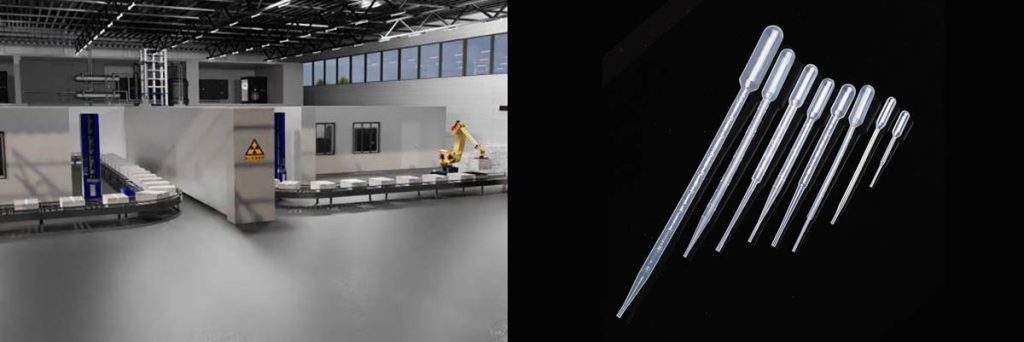
Manufacturers who adopt e-beam technology experience significant improvements in production speed. The e-beam system delivers energy directly and instantly, which accelerates curing, sterilization, and surface modification. Production lines equipped with e-beam machine show a decrease in production time and higher availability of manufacturing processes. Companies can process demanding metals and alloys efficiently, which leads to material efficiency and less waste.
Dr. Thorsten Löwer, CTO at pro-beam, states that the integration of e-beam technology aims to provide customers with real added value regarding the productivity of the additive manufacturing.
- Decrease in production time
- Higher availability of manufacturing processes
- Capability to use demanding metals and alloys
- Material efficiency leading to less waste and by-products
The e-beam lithography process enables rapid prototyping and design changes, which shortens time-to-market for new products. Engineers use the electron beam lithography to create intricate patterns quickly, supporting innovation in advanced manufacturing.
Cost Efficiency
E-beam technology enhances resource efficiency and leads to long-term cost savings. Facilities that use e-beam systems benefit from reduced energy consumption and lower material waste. The e-beam lithography process eliminates the need for physical masks, which reduces tooling costs and streamlines production. Companies also save on infrastructure because e-beam curing does not require large ovens or solvent recovery systems.
- Electron beam technology enhances production efficiency.
- It leads to long-term cost savings.
- The technology has sustainable effects on the environment.
The cost of sterilization varies significantly based on the selected modality. There is no consistent ‘cheapest option’ for sterilization methods, as costs depend on the nature of the product. However, e-beam solutions often provide a favorable balance between speed, safety, and operational expenses, especially for high-throughput environments.
Regulatory Compliance
E-beam technology supports compliance with strict industry regulations. Facilities must meet standards for safety, environmental impact, and product quality. The e-beam lithography and related applications align with international guidelines, which simplifies certification and approval.
| Regulatory Standard | Description |
|---|---|
| Joint-Protocol on Improving Conditions of Use | Covers the use of electron beam systems in the printing and coating industry in Europe, including licensing and regulations. |
| Radiation Safety Officer (RSO) | Required for facilities using e-beam technology, responsible for safety and compliance with regulations. |
| Registration with Local Authorities | Necessary for installation and operation of e-beam systems, including filing with health departments. |
| CE Certification | Required in the EU for safety and compliance of e-beam systems, including risk analysis. |
Companies that implement e-beam machine find it easier to meet regulatory requirements for sterilization, safety, and environmental protection. The e-beam lithography also supports traceability and documentation, which helps manufacturers maintain compliance throughout the product lifecycle.
Market Differentiation
E-beam technology creates opportunities for market differentiation. Manufacturers use the e-beam lithography to develop products with unique features and advanced performance. The ability to produce custom patterns and microstructures sets companies apart in competitive markets. The e-beam system enables innovation in electronics, medical devices, and packaging, which attracts customers seeking high-quality and reliable solutions.
- E-beam supports advanced manufacturing and innovation.
- The e-beam lithography enables custom designs and rapid prototyping.
- Companies achieve higher product quality and reliability.
- Market leaders use e-beam to deliver eco-friendly and high-performance products.
The versatility of e-beam technology allows manufacturers to respond quickly to changing market demands. The electron beam lithography method provides precision and flexibility, which helps companies stay ahead of competitors.
Electron Beam Processing in Action
Medical Devices
Manufacturers in the healthcare sector rely on e-beam technology to improve the safety and quality of medical devices. E-beam sterilization offers a fast and reliable method for eliminating harmful microorganisms. Companies report shorter processing times, with reductions in lead times by up to 80%. Many organizations also achieve cost savings of 20–35% or more. E-beam helps manufacturers avoid the pricing volatility often seen with gamma sterilization. The table below highlights these benefits:
| Benefit | Description |
|---|---|
| Shorter processing times | Companies can reduce processing lead times by up to 80%. |
| Lower sterilization costs | Cost reductions of 20–35% or more are achievable. |
| Escape pricing volatility | Companies can avoid the pricing fluctuations associated with gamma sterilization. |
E-beam technology supports the production of high-quality medical devices by ensuring consistent sterilization and reducing operational costs.
Food Packaging
Food producers use e-beam sterilization to enhance product safety and extend shelf life. E-beam effectively eliminates pathogens, which increases food safety. The process extends shelf life without affecting taste or nutritional value. Many companies in the packaged and processed food sector choose e-beam because it maintains product integrity. E-beam technology uses high-energy electrons to treat food, penetrating packaging and disrupting the DNA of microorganisms. This reduces microbial load and slows spoilage. Producers apply e-beam to meat, dairy, and produce, helping them deliver safer products to consumers.
- E-beam sterilization effectively eliminates pathogens, enhancing food safety.
- It extends product shelf life without compromising taste or nutritional value.
- The method is gaining popularity in the packaged and processed food sector due to its ability to maintain product integrity.
E-beam technology provides a non-thermal solution for food safety and shelf life extension.
Industrial Components
Engineers use electron beam processing to improve the performance of industrial components. E-beam treatment enhances wear resistance, mechanical durability, and structural stability. The table below shows how different materials benefit from e-beam applications:
| Component Type | Performance Improvement |
|---|---|
| Ultra-high molecular weight polyethylene (UHMWPE) | Enhanced wear resistance, reduced wear debris, improved longevity of implants. |
| Polyurethanes | Improved tear resistance and maintained elasticity in balloon catheters and tubing. |
| Silicone elastomers | Increased tear strength and mechanical durability without additional curing agents. |
| Polypropylene | Increased modulus and resistance to creep, enhancing structural stability in medical devices. |
E-beam technology allows manufacturers to produce components with higher reliability and longer service life. Many industries benefit from these improvements, including automotive, aerospace, and healthcare.
Implementing E-Beam Solutions
Product Assessment
Companies begin by evaluating whether their products are suitable for e-beam processing. Industry guidelines recommend a step-by-step approach to ensure safety and effectiveness.
- Dose mapping and qualification help engineers understand how the product responds to e-beam exposure.
- Analysis of sterility requirements and primary data determines if the product meets necessary standards.
- Preparation involves placing dosimeters on samples to measure dose distribution accurately.
- Dosing and data analysis follow, where samples undergo irradiation and experts extract data from dosimeters.
- Reporting concludes the process, with a comprehensive summary of experiment design and results.
Careful assessment ensures that e-beam processing delivers consistent quality and meets regulatory expectations.
Partner Selection
Selecting the right partner for e-beam processing is crucial for success. Companies should consider several criteria when choosing a provider.
| Criteria | Description |
|---|---|
| Validated sterilization procedures | Ensures the process meets regulatory standards. |
| Employee education | Staff must understand sterilization protocols. |
| Calibration of dosimeters and equipment | Accurate measurements require regular calibration. |
| Monitoring of bioburden | Tracks microbial load for effective sterilization. |
| Regular audits of radiation doses | Maintains compliance and process effectiveness. |
| Preventive maintenance and equipment qualification | Guarantees equipment reliability and qualification. |
| Frequent mapping of load dosage | Helps understand dose distribution across products. |
A reliable partner will maintain high standards and support companies in achieving optimal results with e-beam technology.
Integration Steps
Integrating e-beam solutions into existing workflows requires careful planning. Best practices include optimizing part orientation to improve quality and reduce support structures. Engineers use lattice structures and topology to create lightweight, high-performance components. Designing for thermal management helps minimize distortion and stress during processing. Incorporating self-supporting geometries reduces the need for additional supports and simplifies post-processing. Planning for support removal and finishing during design saves time and costs. Consolidating assemblies into single components reduces complexity and material usage.
Teams often encounter challenges such as electron-beam damage or dose management. Reducing the electron dose, adding radical scavengers, and using thinner liquid cells can help address these issues. Adjusting the beam incident angle also improves dust release and cleanliness.
Successful integration of e-beam technology leads to improved product quality, efficiency, and compliance with industry standards.
Conclusion
E-beam technology delivers measurable value for manufacturers. Companies report reduced waste, improved chemical safety, and faster processing:
| Benefit | Description |
|---|---|
| Reduced Waste | E-beam eliminates hazardous emissions and specialty waste streams. |
| Chemical Safety | No toxic residues remain, lowering risks for employees and users. |
| Speed of Process | Sterilization takes minutes, boosting operational efficiency. |
Organizations seeking a competitive edge can take these steps:
- Invest in advanced e-beam systems with digital integration.
- Use automation and AI-driven analytics for greater efficiency.
- Collaborate on R&D to solve technical challenges.
- Prioritize customer support and training for maximum value.
E-beam solutions help companies achieve sustainability, safety, and rapid production. Exploring these technologies can drive innovation and long-term success.
FAQ
What Products Benefit Most from E-Beam Technology?
Manufacturers use e-beam technology for medical devices, food packaging, and industrial components. Companies in cutting-edge electronics and advanced semiconductors also rely on e-beam for improved quality and reliability.
How Does E-Beam Sterilization Compare To Other Methods?
E-beam sterilization works faster than most alternatives. The process leaves no toxic residue and meets strict safety standards. Many commercial applications prefer e-beam for its efficiency and environmental benefits.
Is E-Beam Processing Safe for Food Packaging?
E-beam processing does not change the taste or nutritional value of food. Producers use this method to kill harmful microorganisms and extend shelf life. Regulatory agencies approve e-beam for food safety.
Can E-Beam Technology Support Custom Designs?
Engineers use e-beam lithography to create precise patterns and microstructures. This technology allows manufacturers to produce custom designs for electronics, sensors, and medical devices.
What Are the Environmental Advantages of E-Beam Technology?
E-beam technology eliminates the need for solvents and reduces energy consumption. Companies achieve instant curing and less waste, which supports sustainability goals and safer workplaces.