


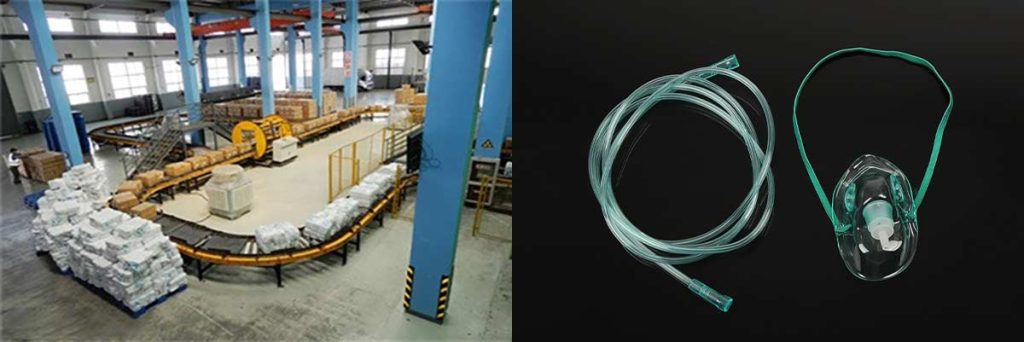
In-house e-beam manufacturing, including electron beam sterilization, strengthens supply chain resilience by bringing critical processes under direct control. Companies shift away from external vendors and instead rely on local production. This change reduces exposure to global disruptions and supports faster decision-making. For example, during a sudden supply shortage, a medical device manufacturer with in-house e-beam capabilities maintained delivery schedules while competitors faced delays. This approach improves risk management, agility, and quality oversight.
Key Takeaways
- In-house e-beam manufacturing reduces reliance on external vendors, allowing companies to respond quickly to supply chain disruptions.
- Local production enhances supply chain resilience by minimizing delays from transportation and customs, leading to better quality control.
- Companies with in-house e-beam capabilities can adapt to market changes faster, enabling rapid product development and innovation.
- Direct oversight of the production process improves quality assurance, leading to fewer errors and higher customer satisfaction.
- Investing in e-beam technology strengthens risk management, helping organizations identify and address potential issues before they escalate.
Boosting Supply Chain Resilience
Reducing Vendor Reliance
Companies that invest in in-house e-beam manufacturing gain greater supply chain resilience. They reduce their dependence on external suppliers and third-party service providers. This shift allows organizations to respond quickly to disruption. When a company owns electron beam sterilization equipment, it can maintain operations even during supply chain disruptions. The ability to control critical processes internally increases flexibility. Teams can adjust production schedules and prioritize urgent orders. This approach also supports innovation, as engineers can experiment with new sterilization methods without waiting for vendor approval.
Tip: In-house e-beam capabilities help organizations enhance supply chain visibility. They track every step of the electron beam sterilization and identify potential bottlenecks before they become major issues.
Supply chain resilience improves when companies minimize the risks associated with vendor delays or shortages. They avoid the uncertainty that comes with relying on global suppliers. This strategy leads to more consistent product availability and better customer satisfaction.
Local Production Benefits
Local production offers several advantages for supply chain resilience. Companies that manufacture and sterilize products on-site experience fewer disruptions. They avoid delays caused by transportation or customs issues. Local teams have direct oversight of quality and timelines. This level of control increases flexibility and supports rapid innovation.
A company with local electron beam sterilization equipment can quickly adapt to changing market demands. They modify processes and introduce new products faster than competitors who depend on distant vendors. Local production also helps organizations enhance supply chain visibility. They monitor inventory levels and production status in real time.
| Benefit | Impact on Supply Chain Resilience |
|---|---|
| Flexibility | Enables quick response to disruption |
| Innovation | Supports new product development |
| Supply chain visibility | Improves tracking and oversight |
Innovation thrives in environments where teams have the freedom to test new ideas. Local production encourages collaboration and problem-solving. Companies that embrace this model build stronger supply chains and withstand disruption more effectively.
Enhancing Agility
Faster Production Response
In-house e-beam manufacturing gives companies the ability to respond quickly to production needs. Teams can adjust schedules and increase output without waiting for external vendors. This direct control over the process means that urgent orders receive immediate attention. For example, a manufacturer facing a sudden spike in demand can ramp up sterilization cycles within hours.
Tip: Companies with e-beam systems often keep backup capacity. This extra capability allows them to handle unexpected orders or emergencies without delay.
A faster production response reduces lead times. Customers receive products sooner, which improves satisfaction and builds trust. Internal teams also communicate more effectively. They coordinate changes in real time, which helps avoid miscommunication and delays.
- Immediate scheduling adjustments
- Rapid scaling of production
- Direct communication between departments
These advantages help companies stay ahead of competitors who rely on third-party providers.
Adapting to Market Changes
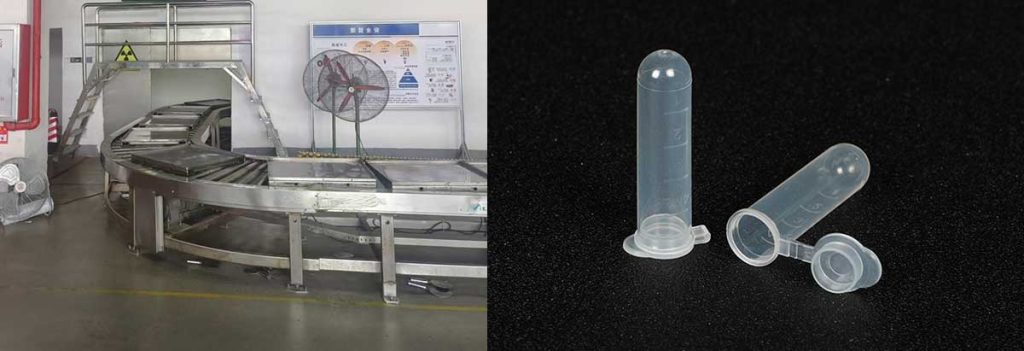
Market conditions can shift quickly. Companies with in-house e-beam manufacturing adapt to these changes with greater ease. They introduce new products or modify existing ones without waiting for vendor approval. This flexibility supports innovation and helps businesses capture new opportunities.
A company that controls its own sterilization process can test prototypes and launch products faster. Teams experiment with different materials or packaging options. They gather feedback and make improvements quickly.
| Adaptation Strategy | Benefit |
|---|---|
| Rapid prototyping | Faster product launches |
| Process modification | Quick response to regulations |
| Flexible scheduling | Meets changing customer needs |
Companies that adapt quickly to market changes often lead their industries. In-house e-beam manufacturing provides the agility needed to thrive in a dynamic environment.
Quality and Timelines
Direct Oversight
In-house e-beam manufacturing gives companies direct oversight of every step in the production process. Teams monitor equipment performance and adjust settings to meet specific requirements. Managers observe sterilization cycles and verify that each batch meets safety standards. This level of control reduces errors and improves consistency.
Note: Direct oversight allows staff to catch problems early. They can fix issues before products reach customers.
Quality assurance teams work closely with production staff. They inspect materials and review documentation. This collaboration leads to faster problem-solving and better communication. Companies with in-house e-beam systems often see fewer recalls and customer complaints.
Key benefits of direct oversight:
- Immediate detection of defects
- Faster response to quality issues
- Improved communication between departments
A company that controls its own sterilization process can guarantee product safety and reliability. Customers trust products that meet strict standards every time.
Consistent Standards
Maintaining consistent standards is essential for supply chain stability. In-house e-beam manufacturing helps companies set and enforce their own quality benchmarks. Teams follow established protocols for every batch. They use calibrated equipment and validated procedures.
| Standardization Practice | Impact on Quality |
|---|---|
| Regular equipment checks | Reliable output |
| Documented procedures | Fewer mistakes |
| Staff training | Higher accuracy |
Consistency leads to predictable timelines. Production schedules stay on track because teams avoid delays caused by external vendors. Companies deliver products on time and meet customer expectations.
Tip: Consistent standards help companies comply with industry regulations. They reduce the risk of fines and legal issues.
A company that invests in e-beam technology builds a reputation for quality and reliability. Customers receive safe products, and supply chain partners value dependable timelines. This approach strengthens relationships and supports long-term growth.
In-House E-Beam in Supply Chain Management
Risk Mitigation
Companies use in-house e-beam manufacturing to strengthen supply chain management. They identify risks early and respond quickly. This approach supports supply chain resilience by reducing exposure to external threats. Teams develop risk management frameworks that fit their specific needs. They monitor each step of the process and adjust strategies as needed.
Advanced technologies like electron beam sterilization help companies detect problems before they escalate. Staff track equipment performance and product quality in real time. They use data to predict potential disruptions. This proactive stance improves supply chain resilience and keeps operations running smoothly.
Note: Organizations that develop risk management plans for in-house e-beam systems often recover faster from unexpected events.
A company with direct control over sterilization can avoid delays caused by vendor issues. They maintain steady production and meet customer demands. This method supports long-term stability in supply chain management.
Improved Control
In-house e-beam manufacturing gives companies improved control over supply chain management. Teams oversee every aspect of production. They set standards and enforce protocols. This control leads to consistent quality and reliable timelines.
Managers use advanced technologies to monitor sterilization cycles. They adjust settings to match product requirements. Staff communicate directly with each other, which reduces errors and speeds up problem-solving.
- Real-time oversight
- Immediate response to issues
- Direct communication between departments
Companies that manage their own e-beam processes build strong supply chain resilience. They deliver products on time and maintain high standards. This approach supports effective supply chain management and helps organizations stay competitive.
| Control Factor | Benefit to Supply Chain Management |
|---|---|
| Direct oversight | Fewer mistakes |
| Standardized protocols | Reliable output |
| Quick adjustments | Faster delivery |
Conclusion

In-house e-beam manufacturing, especially electron beam sterilization, gives companies stronger supply chain resilience. Teams gain more control, respond faster to changes, and maintain high quality. Reduced vendor dependence and improved agility help organizations stay competitive. Decision-makers should look at the long-term value of this technology. Future supply chain strategies will likely focus on local control and advanced manufacturing solutions.
FAQ
What is E-Beam manufacturing?
E-Beam manufacturing uses electron beams to sterilize or modify products. This technology helps companies control supply chain processes and improve product safety. Many industries use E-Beam for medical devices, packaging, and food.
How does in-house E-Beam improve supply chain responsiveness?
In-house e-beam allows teams to adjust production schedules quickly. They respond to urgent orders and market changes without waiting for external vendors. This flexibility increases supply chain responsiveness and helps companies meet customer needs.
Can e-beam technology reduce supply chain risks?
E-beam technology gives companies direct control over sterilization and production. Teams identify problems early and fix them before they affect supply chain processes. This approach lowers the risk of delays and improves reliability.
Is E-Beam sterilization safe for products?
E-beam sterilization uses high-energy electrons to kill bacteria and viruses. The process does not leave harmful residues. Companies test products to ensure safety and quality before shipping to customers.
What industries benefit most from in-house E-Beam?
Medical device manufacturers, food producers, and packaging companies benefit most. They use e-beam to improve supply chain processes, maintain product safety, and increase supply chain responsiveness.