


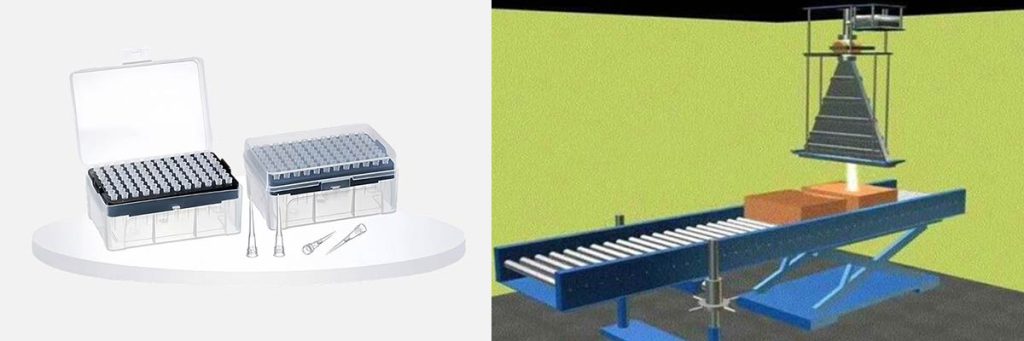
A radiation safety officer serves as the cornerstone of radiation protection in many facilities. This professional monitors and controls the use of radioactive materials and devices. Hospitals, research laboratories, and industrial sites with electron beam irradiation equipment rely on a radiation safety officer to enforce safety standards. Their main responsibilities include preventing harmful exposure and ensuring all activities meet strict regulatory requirements. The presence of a radiation safety officer supports a safe environment for both workers and the public.
Key Takeaways
- A Radiation Safety Officer (RSO) is essential for ensuring safety in environments using radioactive materials. They monitor compliance with safety regulations.
- The RSO has the authority to stop unsafe activities and must enforce the ALARA principle to minimize radiation exposure for workers and the public.
- Regular training and education for staff on radiation safety practices are crucial. The RSO leads these training sessions to keep everyone informed.
- Routine inspections and audits by the RSO help identify safety issues and ensure compliance with safety protocols, protecting everyone in the workplace.
- Staying updated with changing regulations is vital. The RSO researches and implements new guidelines to maintain safety and avoid penalties.
Radiation Safety Officer Overview
Role and Authority
A radiation safety officer holds a central position in any organization that uses radioactive materials or radiation-producing equipment. This professional has the authority to stop any activity that could compromise health and safety, even without approval from higher management. Regulatory agencies expect the radiation safety officer to:
- Halt work involving radioactive materials if unsafe conditions arise.
- Oversee the ALARA (As Low As Reasonably Achievable) program to minimize ionizing radiation exposure.
- Manage the use and storage of radioactive materials.
- Develop and enforce radiation safety protocols and emergency procedures.
- Train workers who handle radiation sources.
The radiation safety officer also advises management on radiation protection matters, maintains the radiation protection plan, and communicates with regulatory bodies. This role includes developing rules, managing occupational and public exposure, and reporting to regulators.
| Authority of RSO | Description |
|---|---|
| Termination of Activities | The RSO can stop any activity that compromises health and safety. |
| Advising Management | The RSO provides guidance on radiation safety and compliance. |
| Maintaining Programs | The RSO implements and maintains the radiation management program. |
Many people believe any employee can act as a radiation safety officer, but this role requires specific qualifications, technical competence, and experience in radiation dosimetry and safety.
Work Environments
Radiation safety officers work in a variety of settings. Hospitals, research laboratories, and industrial facilities all require their expertise. In healthcare, they oversee the safe use of medical imaging devices and radioactive materials. Research labs depend on them to manage radiation safety protocols during experiments. Industrial sites, especially those using electron beam sterilization or electron beam irradiation equipment, rely on the radiation safety officer to ensure compliance and safety.
These professionals also monitor environments where radiation dosimetry is essential for tracking exposure. Their presence helps organizations maintain a safe workplace and meet regulatory standards. The radiation safety officer adapts to new technologies and changing regulations, making their role vital in any setting where ionizing radiation exposure is possible.
Key Responsibilities of a Radiation Safety Officer
Managing Radiation Protection Programs
A radiation safety officer manages the radiation protection program in any facility that uses radioactive materials or radiation-producing equipment. This program sets the foundation for safe operations and regulatory compliance. The officer ensures that all activities follow national and international safety standards. They also coordinate with regulatory authorities to keep operations legal and safe.
- Ensuring compliance with radiation safety regulations and company policies
- Implementing and maintaining the radiation protection program
- Supervising personnel exposure control and maintaining individual dose records
- Conducting routine radiation and contamination surveys
- Providing training and awareness programs to staff
- Coordinating with regulatory authorities
The officer also enforces the ALARA principle, which means keeping ionizing radiation exposure as low as reasonably achievable. This approach protects workers, patients, and the public from unnecessary risks.
Identifying and Correcting Safety Issues
One of the most important roles and responsibilities of a radiation safety officer is to identify and correct safety issues. The officer regularly inspects work areas and reviews safety practices. They look for problems such as inadequate training, poor recordkeeping, or improper storage of radioactive materials. When the officer finds a problem, they take immediate action to correct it.
Common compliance issues include:
- Inadequate training for staff
- Poor recordkeeping of radiation use and exposure
- Failure to monitor radiation exposure levels
- Improper storage and security of radioactive materials
- Equipment calibration failures
- Improper disposal of radioactive waste
- Failure to report incidents
- Lack of emergency preparedness
The officer also addresses gaps in staff knowledge and ensures that everyone understands the latest regulations. They help prevent over-reliance on one person by training backups and keeping up with regulatory updates.
Monitoring Radioactive Materials and Equipment
A radiation safety officer monitors all radioactive materials and equipment in the facility. This responsibility includes tracking inventory, supervising shipments, and ensuring proper storage. The officer also oversees the use of X-ray systems and other radiation-producing devices.
Standard protocols for monitoring include:
- Equipping workers with personal radiation monitoring devices, such as badges and dosimeters
- Enforcing compliance with NRC and OSHA standards
- Submitting applications for licenses to work with radioactive materials
- Applying the ALARA principle to minimize exposure
The officer manages occupational dosimetry programs and conducts audits of the radiation protection plan. They make sure that all equipment is calibrated and maintained for accurate readings.
Developing Procedures and Emergency Plans
A radiation safety officer develops clear procedures and emergency plans for radiation incidents. These plans help protect workers and the public if an accident occurs. The officer prepares for emergencies by assessing possible exposures and creating protective measures.
| Key Element | Description |
|---|---|
| Exposure Assessment | Evaluating anticipated radiation exposures during emergencies |
| Protective Measures | Developing procedures to reduce responder exposures to ALARA levels |
| Personal Protective Equipment | Obtaining appropriate PPE, such as respirators and protective suits |
| Decision-Making Criteria | Setting criteria for actions that may exceed normal dose limits |
| Training and Education | Educating emergency response workers about procedures and risks |
The officer also ensures that all staff receive training on emergency procedures. They update these plans regularly to reflect new risks and technologies.
Overseeing Electron Beam Irradiation Equipment
The radiation safety officer oversees the safe operation of electron beam irradiation equipment and electron beam sterilization. They ensure that all equipment meets safety standards and that only trained personnel operate these devices. The officer monitors the use, maintenance, and calibration of electron beam systems to prevent accidental exposure.
They also develop specific protocols for electron beam sterilization. These protocols include safety checks, equipment inspections, and emergency shutdown procedures. The officer works closely with engineers and operators to maintain a safe environment.
A radiation safety officer plays a vital role in protecting people and the environment from the risks of ionizing radiation exposure. Their expertise ensures that all equipment, including advanced technologies like electron beam irradiation, operates safely and efficiently.
Radiation Safety Training and Staff Support
Conducting Training Sessions
A radiation safety officer leads radiation safety training for all staff who work with radioactive materials or equipment. This training keeps everyone informed about the latest safety practices and regulatory requirements. Ongoing education remains essential because studies show that many professionals, such as interventional cardiologists, have gaps in their knowledge about radiation exposure. Formal educational programs help increase awareness and reduce risks.

- Simulator training demonstrates how different actions affect radiation exposure.
- Web-based applications, including interactive courses and educational games, provide flexible learning options.
- Courses like “Radiation Safety in the Hybrid Angiography Suite” offer hands-on experiences that improve skills.
The officer ensures that each training session covers radiation dosimetry, safe handling procedures, and emergency responses. Staff members receive regular updates to maintain compliance and safety.
| Requirement | Description |
|---|---|
| Formal education and training | Candidates must have education in radiation protection principles. |
| Documented experience | Experience in the safe use of radioactive materials or equipment is required. |
| Knowledge of regulatory standards | Understanding of Title 10 CFR Part 20 and state rules is necessary. |
| Completion of recognized training | A 40-hour training course that meets regulatory expectations is required. |
Authorizing and Consulting Staff
The radiation safety officer authorizes staff to handle radioactive materials or operate radiation-producing equipment. Authorization depends on several criteria:
| Criteria | Description |
|---|---|
| Authorized User | Must be a permanent staff member, approved for specific uses. |
| Training | Completion of safety and accident prevention training is required. |
| Compliance | Staff must follow all regulatory and safety protocols. |
| Incident Reporting | Staff must report and investigate any radiation incidents. |
| Safety Protocols | Implementation of ALARA and other safety measures is mandatory. |
The officer also consults with staff, answers questions, and provides guidance on best practices.
Promoting a Safety Culture
A strong safety culture protects everyone in the workplace. The radiation safety officer encourages open communication and continuous improvement. They establish a just culture, where staff understand that errors can happen and systems should help prevent harm.
- Create a non-punitive error reporting system.
- Make safety and improvement core values.
- Measure employee attitudes about safety each year.
- Focus on learning from all procedures and minimizing risky behaviors.
The officer’s leadership helps build trust and ensures that safety remains a top priority for everyone.
Daily Tasks and Challenges
Routine Inspections and Audits
A radiation safety officer performs routine inspections and audits to maintain a safe environment. These activities help ensure that all staff follow established safety protocols. Inspections often include reviewing documentation, checking equipment calibration, and verifying that safety postings are visible. Audits provide a deeper look at compliance history and focus on records, training, and corrective actions. The table below summarizes standard procedures:
| Procedure Type | Description |
|---|---|
| Inspections | Conducted by safety staff to check compliance, documentation, postings, calibration, and training. |
| Audits | Annual reviews of compliance history, records, training, and corrective actions. |
| Deficiency Follow-Up | Addresses issues found during inspections or audits, which may lead to restrictions or termination. |
Responding to Incidents
When an incident involving radiation occurs, the officer acts quickly. They assess the situation, secure the area, and begin an investigation. The officer documents the event and implements corrective actions to prevent future problems. Staff receive guidance on how to respond and report incidents. This approach helps reduce risks and ensures a safe workplace.
Keeping up with Regulations
Regulations in radiation safety change often. The officer researches new and existing guidelines to keep the facility compliant. They update procedures and train staff on any changes. This ongoing effort helps the organization avoid penalties and maintain high safety standards.
Addressing Technical Issues
Technical challenges arise daily in facilities that use radiation. The officer measures radiation levels in products, materials, and workspaces. They supervise personnel who handle radioactive materials and develop procedures for safe handling. The officer also manages departmental budgets and prepares reports about radiation safety tasks. These responsibilities require strong problem-solving skills and attention to detail.
A radiation safety officer faces many challenges each day. Their dedication keeps everyone safe and ensures that all operations meet strict regulatory requirements.
Qualifications and Skills
Education and Certification
A radiation safety officer must meet strict educational and certification standards. Most organizations require a bachelor’s degree in health physics, radiology, or a related field. Certification as a radiation safety officer demonstrates expertise and commitment to safety. Many employers look for candidates with at least three to five years of experience in occupational radiation safety or a similar area. These professionals need a strong understanding of radiation protection principles and regulatory requirements.
Certification from recognized bodies, such as the American Academy of Health Physics, shows that the officer has completed formal training and understands the biological effects of radiation.
| Qualifications | Skills |
|---|---|
| Bachelor’s degree in Health Physics, Radiology, or related field | Radiation safety management |
| Certification as a Radiation Safety Officer (RSO) | Regulatory compliance |
| 3-5 years experience in radiation safety | Safety audits and inspections |
| Understanding of radiation protection principles | Incident investigation |
| Excellent communication and training skills | Training and development |
Specialized Training
Continuing education plays a key role in maintaining certification. Officers often complete courses such as “Introduction to Radiation Safety,” which provides 40 continuing education credits. Training programs for radiation safety officers teach compliance with radionuclide permit and licensing requirements. Industrial radiography courses help officers maintain records and renew certification every five years.
| Course Title | Continuing Education Credits | Description |
|---|---|---|
| Introduction to Radiation Safety | 40 | The American Academy of Health Physics grants credits for completion of this course. |
| Radiation Safety Officer (RSO) Training | N/A | Gain expertise in maintaining compliance with radionuclide permit and licensing requirements. |
| Industrial Radiography Radiation Safety Personnel | N/A | Learn how to maintain records to apply for certification renewal every five years. |
Essential Skills and Qualities
Industry surveys highlight several skills and qualities that define an effective radiation safety officer. These professionals manage the safe use of radiation and radioactive materials. They ensure compliance with federal, state, and local regulations. Officers must communicate clearly, lead training sessions, and analyze data. Strong problem-solving abilities and attention to detail help them investigate incidents and maintain accurate records.
- Manages and oversees the safe use of radiation and radioactive materials
- Ensures compliance with regulations
- Understands radiation physics and biological effects
- Holds certifications from recognized bodies
- Communicates and trains staff effectively
- Conducts safety audits and inspections
- Investigates and reports incidents
A successful officer demonstrates leadership, technical expertise, and a commitment to occupational radiation safety.
Conclusion
A radiation safety officer plays a crucial role in reducing workplace radiation incidents and improving compliance. Their expertise ensures safe practices, especially when advanced technology like electron beam irradiation equipment is present. Facilities benefit from:
- Lower exposure levels for workers
- Effective dosimetry programs
- Immediate access to dose data
- Clean, contamination-free surfaces
| Violation Type | Description |
|---|---|
| Severity Level I | Significant injury or loss of life due to loss of control over licensed activities. |
| Severity Level II | Conduct of licensed activities by an unqualified person. |
| Severity Level III | Failure to maintain criticality controls or receive NRC approval for significant changes. |
Organizations should prioritize this role to maintain safety and avoid severe regulatory penalties.
FAQ
What Does a Radiation Safety Officer Do Each Day?
A radiation safety officer inspects equipment, reviews safety records, and trains staff. They monitor radiation levels and respond to incidents. Their daily routine keeps the workplace safe and compliant.
Who Can Become a Radiation Safety Officer?
Candidates need a bachelor’s degree in a science field, certification, and experience in radiation safety. Employers look for strong communication skills and technical knowledge.
Why Is Electron Beam Irradiation Equipment Important?
Electron beam irradiation equipment sterilizes products and materials. The radiation safety officer ensures this equipment operates safely and meets all regulations.
How Does the RSO Respond to Radiation Incidents?
The officer secures the area, investigates the cause, and documents the event. They guide staff through corrective actions and update emergency plans as needed.
What Training Does the RSO Provide?
- Safety procedures for handling radioactive materials
- Emergency response steps
- Proper use of monitoring devices
Training sessions help staff stay informed and reduce risks.