


Electron beam technology provides a powerful solution for sterilizing products in their final packaging. This advanced method delivers a rapid and highly effective process, making it ideal for medical devices and pharmaceutical packaging. The following table highlights how electron-beam sterilization compares to other methods in both speed and effectiveness:
| Sterilization Method | Processing Time | Effectiveness |
|---|---|---|
| Electron Beam (E-Beam) | Seconds | Highly effective for reducing microbial presence in dry and packaged products, inactivating bacteria and spores in seconds |
| High Pressure Processing (HPP) | Minutes | Effective for high-moisture foods, but does not inactivate bacterial spores |
By using electron beams, companies achieve reliable sterilization while maintaining product integrity and safety.
Key Takeaways
- Electron beam sterilization is a fast and effective method for sterilizing final packaged products, ensuring safety and integrity.
- This technology eliminates the use of hazardous chemicals, making it safer for workers and consumers while leaving no harmful residues.
- Proper preparation and equipment setup are crucial for achieving consistent and reliable sterilization results.
- Regular monitoring and quality control checks help maintain high standards and compliance with safety regulations.
- E-beam sterilization supports a wide range of packaging materials, enhancing flexibility and efficiency in the sterilization process.
Electron Beam Technology
How Does It Work?
Electron beam technology uses high-energy electrons to sterilize products quickly and efficiently. Operators rely on electron beam irradiation equipment to generate concentrated streams of electrons. These electrons penetrate packaging and destroy microorganisms without leaving chemical residues. The process involves several key principles that ensure effective sterilization.
| Principle | Description |
|---|---|
| Common Terminology | Operators use specific terms to describe electron beam technology. |
| E-Beam Overview | Electron beam technology provides a rapid and reliable sterilization method. |
| Process Configuration | Technicians set up the equipment and arrange products for optimal exposure. |
| Electron Beam Dose Distribution | The system controls how the electron dose spreads across the product surface. |
| Depth-Dose Profile | The dose penetrates materials of different thicknesses, ensuring thorough sterilization. |
| Applications | Facilities use electron beam technology for medical devices and pharmaceuticals. |
| Process Validation | Teams verify that the process meets safety and effectiveness standards. |
| Technology Comparison | Electron beam technology offers advantages over chemical sterilization. |
Operators select electron beam irradiation equipment based on product type and packaging. The most common devices include electron beam accelerators and specialized systems like the IMPELA(R) Accelerator. These machines deliver precise doses, making them suitable for a wide range of applications.
| Equipment Type | Description |
|---|---|
| Electron Beam Accelerators | Devices that generate concentrated streams of electrons for sterilization. |
| IMPELA(R) Accelerator | A high-energy electron accelerator used in industrial settings. |
Applications in Sterilization
Facilities use electron beam technology to sterilize medical devices, pharmaceuticals, and laboratory supplies. The process works well for final packaged products, ensuring that items remain sterile until use. Electron beam irradiation equipment treats products in sealed packaging, reducing contamination risks.
Recent advancements have improved the efficiency and accessibility of electron beam technology:
- Shift from chemical sterilization to electron beam technology due to sustainability and regulatory concerns.
- Increased automation with IoT integration and predictive maintenance for better control.
- Development of compact and modular systems for decentralized sterilization in outpatient clinics and field hospitals.
Electron beam technology supports the safe production of pharmaceuticals and medical devices. The method provides a reliable alternative to chemical sterilization, meeting industry standards for safety and effectiveness.
Sterilization Process
Preparation Steps
Before starting e-beam sterilization, operators follow a series of preparation steps to ensure product safety and process effectiveness. These steps help determine the right dose and confirm that the packaging and contents can withstand irradiation.
- Preliminary Assessment (Bioburden Testing): Technicians measure the biological load on the product. This step helps set the minimum dose needed for sterilization.
- Material Test: Staff check if the product materials and packaging are compatible with electron beam treatment. This test also helps set the maximum dose.
- Dose Mapping: Operators place dosimeters inside the packaging. These devices measure how the electron dose spreads throughout the product, making sure it stays within the required range.
- Dose Verification: Teams verify that the minimum dose works as intended. This check usually happens every quarter to maintain process reliability.
Tip: Careful preparation reduces the risk of under- or over-irradiation, which can affect product quality or safety.
Equipment Setup
Proper equipment setup is essential for a successful sterilization process. Operators monitor several key parameters to ensure accurate and consistent irradiation.
| Parameter | Description |
|---|---|
| Beam Current | Determines the amount of dose delivered. |
| Conveyor Speed | Controls how long products stay in the beam. |
| Product Box Size | Affects how the electron beam covers the product. |
| Product Box Weight | Ensures proper handling and correct dosage. |
Operators also perform routine monitoring checks to comply with safety rules. They use machines, chemical indicators, and germ tests to confirm that the setup meets all requirements.
Calibration plays a vital role in equipment setup. Teams use highly sensitive dosimeters to get precise readings, even at low doses. Robust calibration techniques adjust for environmental changes and material differences. Integrated systems can automatically change beam settings in real time, keeping the dose accurate.
E-Beam Sterilization Cycle
The e-beam sterilization cycle involves exposing final packaged products to a controlled electron beam. This process delivers a precise dose of irradiation, targeting harmful microorganisms while preserving product integrity.
Operators follow these steps to ensure accurate dose delivery:
- Exposure: Place dosimeters with the products in the path of the electron beam.
- Recording: Dosimeters absorb radiation and change in a way that reflects the dose received.
- Reading: Measure the dosimeter changes to confirm the correct dose.
Dose uniformity is critical during the irradiation cycle. Dosimetry measures the dose across the beam width, keeping variation within ±10%. Operators may adjust the beam current or conveyor speed to maintain a steady dose. They also check dose distribution through product thickness and complex shapes, ensuring all items receive effective sterilization.
Control charts help track process variables, such as the ratio between measured and targeted parameters. This monitoring allows for tighter control and consistent results in sterilization processes.
Post-Process Checks
After irradiation, teams perform several checks to verify the effectiveness of e-beam sterilization. These checks confirm that the process achieved the desired level of sterility and maintained product quality.
| Post-Process Check | Description |
|---|---|
| Ongoing Dose Audits | Quarterly reviews ensure the sterilization dose remains effective over time. |
| Bioburden Monitoring | Regular checks track microbial levels and confirm compliance with limits. |
| Verification of Dosimetry | Sterility tests at the established dose confirm ongoing effectiveness. |
Quality control tests include:
- Irradiate bioburden recovery and bacteriostasis samples, then send them to the microbiology lab for analysis.
- Test three lots of ten samples for bioburden enumeration after recovery.
- Use the enumeration data to determine the verification dose, following ISO standards.
- Irradiate ten devices for the dose audit and send them for sterility testing.
- If needed, repeat the dose audit with another set of samples.
Employee education and regular calibration of dosimeters and equipment support ongoing process reliability. These steps help maintain high standards for sterilization, especially for medical devices and pharmaceutical products.
Benefits and Packaging Materials
Advantages of E-Beam Sterilization
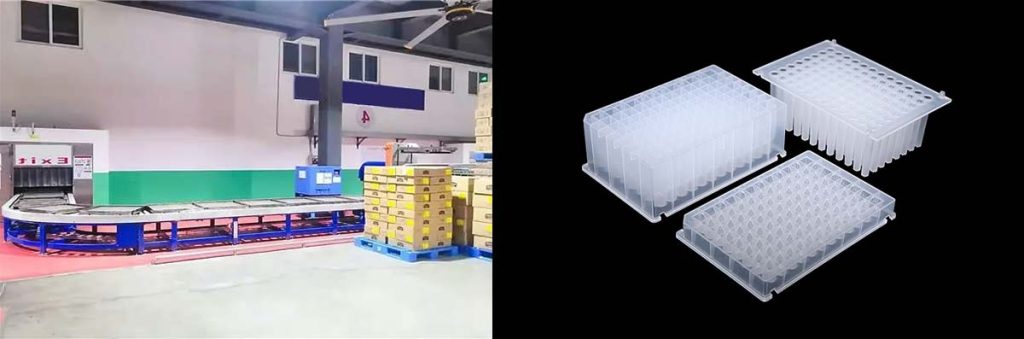
Electron beam sterilization offers several advantages for packaging products in the medical and pharmaceutical industries. Facilities achieve rapid processing, which increases efficiency and throughput. E-beam sterilization does not use hazardous chemicals, so it improves safety for workers and end users. The process leaves no chemical residues, making packaging products safe for immediate use. Companies can sterilize items in their original packaging, which reduces contamination risks and streamlines logistics.
The following table compares electron beam sterilization with other common methods:
| Benefit | Electron Beam Sterilization (EBS) | Ethylene Oxide (ETO) | Gamma Radiation |
|---|---|---|---|
| Safety | Safer, no hazardous chemicals | Toxic and explosive | Radioactive waste |
| Residuals | No chemical residues | Harmful residues | N/A |
| Processing Time | Minutes | Hours + aeration | N/A |
| Dose Rate | Faster dose rate | N/A | Slower dose rate |
| Environmental Advantages | No radioactive waste | Waste management issues | N/A |
| Speed and Efficiency | Very fast | Slower | N/A |
| Flexibility | Can sterilize in original packaging | N/A | N/A |
Facilities also benefit from cost savings when using taller boxes for electron beam sterilization. The chart below shows how price per cubic foot decreases as box height increases:
Compatible Packaging Materials
Selecting the right packaging materials is important for successful electron beam sterilization. Many facilities use materials that withstand radiation and maintain the sterile barrier system. Electron beam sterilization works well with sealed packaging and does not require breathable components. This method supports a wide range of pharmaceutical packaging products and medical device packaging products.
Operators consider several factors when choosing packaging materials:
- The method of sterilization can affect the sterile barrier system.
- Temperature and radiation exposure may impact packaging integrity.
- Each sterilization method has unique effects on packaging products.
The table below highlights how different sterilization methods impact packaging integrity:
| Sterilization Method | Impact on Packaging Integrity |
|---|---|
| Gamma Irradiation | Penetrates sealed layers, effective sterilization |
| Electron Beam | Similar to gamma, does not require breathable components |
| X-ray Irradiation | Effective, similar penetration capabilities |
The choice of packaging materials influences shelf life and product safety. Facilities must select materials that remain stable during and after sterilization.
Limitations
Electron beam sterilization has some limitations that facilities must address. Not all packaging materials are compatible with e-beam radiation. Operators must consider the geometry and orientation of packaging products, as electron beams have limited penetration depth. Higher areal density in packaging can reduce the effectiveness of sterilization. Dose mapping becomes challenging when product dimensions vary, which can affect consistency.
Facilities also face initial costs for dose mapping and validation studies. The price per cubic foot depends on box height, so packaging design can influence overall costs. Operators must balance efficiency, material compatibility, and cost when implementing electron beam sterilization.
Note: Careful selection of packaging materials and thoughtful product design help facilities overcome these limitations and achieve reliable sterilization results.
Safety and Challenges
Safety Measures
Operators working with electron beam sterilization equipment follow strict protocols to protect themselves and maintain a secure environment. Facilities design equipment to prevent access to the x-ray tube during operation. Only trained personnel can enter the work area. Teams use refresher training, buddy systems, and monitoring through cameras or observers. Audits, inspections, and interviews help confirm compliance. Before starting, staff conduct a final radiation survey using instruments like a Geiger-Mueller probe. Personnel dosimetry monitors exposure, especially for new operators. Annual evaluations of the radiation program ensure ongoing protection. During maintenance or shutdown, workers understand radiation risks and follow lock-out/tag-out procedures for high voltage hazards.
- Good engineering design prevents accidental exposure.
- Access control limits entry to trained individuals.
- Regular training and monitoring reinforce safe practices.
- Radiation surveys and dosimetry track exposure levels.
- Maintenance protocols address electrical and radiation risks.
Common Challenges
Electron beam sterilization presents several process challenges. Material quality variations can cause uneven dose distribution. Proper substrate positioning ensures uniform irradiation. Regular checks and adjustments prevent errors in alignment. Combination products with different densities require special evaluation. Short stack configurations help dense products receive adequate doses. Layout processing exposes each item individually, improving dose control. Routine maintenance checks identify equipment issues early. Stringent quality control measures minimize variations in material deposition.
- Material variations affect dose uniformity.
- Substrate alignment is critical for consistent results.
- Combination products need tailored processing.
- Maintenance and quality control support reliable operation.
Regulatory Considerations
Regulatory agencies set standards for electron beam sterilization of medical devices and pharmaceutical packaging. In North America, guidelines include AAMI ST 31 for electron beam and AMI ST 32 for gamma radiation. International standards such as ISO 11137 and ISO 9001 focus on validation and routine control. Europe follows BS EN 552 and related standards. Agencies evaluate processes using ANSI/AAMI/ISO 11137, AAMI TRI17-2017, and ISO/ASTM dosimetry protocols. Research shows no significant changes in device properties after treatment. The minimum absorbed dose for effective sterilization is calibrated, usually around 25 kGy for medical devices. Studies confirm a 3 log reduction of viruses at higher doses.
| Region | Regulatory Standard |
|---|---|
| North America | AAMI ST 31, AMI ST 32 |
| International | ISO 11137, ISO 9001, ISO 9002, ISO 9004 |
| Europe | BS EN 552, EN 556, EN 1174-1, EN 46001, EN 46002 |
| Standard | Description |
|---|---|
| ANSI/AAMI/ISO 11137 | Sterilization of health care products using radiation |
| AAMI TRI17-2017 | Compatibility of materials subject to sterilization |
| ISO/ASTM 51649 | Dosimetry for E-Beam facilities |
| ISO/ASTM 51631 | Calorimetric dosimetry system for E-Beam |
Regulatory compliance ensures product safety and effectiveness for end users.
Conclusion

Electron beam sterilization delivers rapid, reliable, and repeatable results for final packaged products. Facilities benefit from high throughput, consistent dosing, and safe processing without radioactive materials.
- The process suits medical devices with low to medium density.
- Teams should define project requirements, consult experts, and evaluate budgets for successful implementation.
- E-beam systems use less energy, produce minimal emissions, and simplify disposal, supporting sustainability.
| Evidence Description | Outcome |
|---|---|
| Low-energy electron-beam treatment for specialized electronic components | Unimpaired functionality after five sterilization cycles totaling 50 kGy |
E-beam sterilization offers an efficient, environmentally friendly solution for product safety and reliability.
FAQ
What Is E-Beam Sterilization and How Does It Work?
E-beam sterilization uses high-energy electrons to destroy microorganisms. Facilities use e-beam to sterilize medical devices, pharmaceuticals, and biologics. The e-beam process works quickly and leaves no chemical residue. Operators monitor the e-beam dose to ensure product safety and effectiveness.
Why Do Facilities Choose E-Beam for Final Package Sterilization?
Facilities select e-beam for final package sterilization because e-beam delivers rapid, reliable results. E-beam penetrates packaging and ensures sterility. The e-beam process supports high throughput and maintains product integrity. E-beam also reduces contamination risks for pharmaceuticals and biologics.
Which Packaging Materials Are Compatible with E-Beam Sterilization?
E-beam works with many packaging materials. Operators choose materials that withstand e-beam exposure and protect the sterile barrier. E-beam does not require breathable packaging. Facilities use e-beam for sealed packaging, supporting a wide range of products, including biologics.
How Does E-Beam Sterilization Benefit Pharmaceuticals And Biologics?
E-beam sterilization offers fast processing and consistent results for pharmaceuticals and biologics. E-beam does not use hazardous chemicals. The e-beam process preserves product quality and safety. E-beam supports regulatory compliance and meets industry standards for pharmaceuticals and biologics.
What Are The Main Safety Measuresfor E-Beam Sterilization?
Operators follow strict safety protocols when using e-beam equipment. Facilities design e-beam systems to prevent accidental exposure. Staff receive training on e-beam safety. Regular monitoring and maintenance ensure safe operation. E-beam systems include access controls and radiation surveys for added protection.
Tip: E-beam provides a safe, efficient solution for sterilizing the final package of sensitive products.