


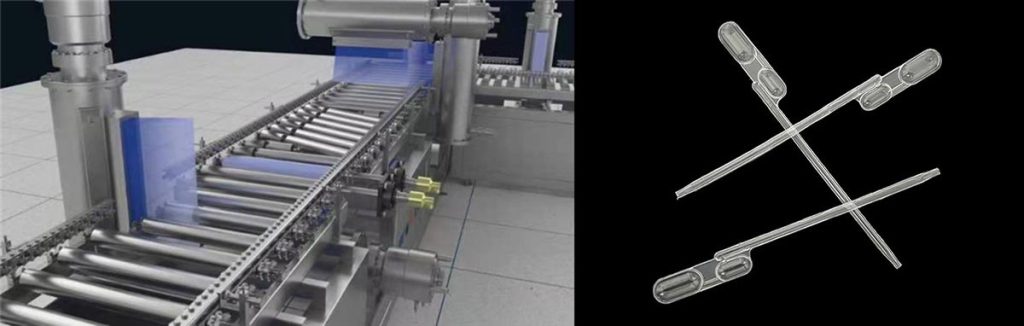
Electron beam irradiation offers a promising approach to color stability in plastics, matching the effectiveness of gamma irradiation in most properties according to industrial equivalency criteria. Color stability remains essential in diverse applications, such as PMMA-based dentures, where the material’s optical clarity and ability to mimic natural gums directly impact aesthetics. The demand for color stability solutions grows in the color stability market, especially with the rise of biodegradable materials and sustainability challenges in the environment. Color stability innovations aim to address these needs and provide reliable solutions for both traditional and emerging applications.
Key Takeaways
- Electron beam irradiation enhances color stability in plastics, making it a reliable choice for manufacturers.
- Understanding factors like UV exposure and environmental conditions is crucial for maintaining color stability in plastics.
- Different technologies, such as UV and gamma irradiation, offer unique benefits and challenges for color stability.
- Bioplastics require special attention to color stability due to their natural pigments and additives.
- Choosing the right stabilization method depends on the specific needs of the product and production scale.
Understanding Color Stability
What Is Color Stability?
Color stability describes the ability of a material to retain a consistent color throughout its lifespan. This property plays a vital role in plastic manufacturing, where the appearance of products must remain unchanged despite exposure to different environments. Manufacturers of bioplastics rely on color stability to ensure that their products maintain visual appeal and meet industry standards. Color stability also affects the performance of items such as packaging, automotive parts, and medical devices. When color stability decreases, color degradation can occur, leading to fading or discoloration. This process impacts both aesthetics and the perceived quality of the final product. In bioplastics, color stability ensures that sustainable materials can compete with traditional plastics in demanding applications.
Factors Influencing Color in Plastics
Many factors can influence color stability in plastics. Recent studies highlight several key contributors to color change and color degradation. The following table summarizes these factors and their effects:
| Factor | Description |
|---|---|
| UV exposure | UV rays can damage plastic surfaces, leading to color changes, brittleness, and warping due to photodegradation processes. |
| Environmental conditions | Humidity, dust, and precipitation can influence the extent of color fading in plastics, showing that environmental context is crucial for color stability. |
| High-temperature molding | High temperatures can cause oxidation and degradation of resin, resulting in discoloration, especially in heat-sensitive plastics like PVC. |
| UV rays | UV rays can break chemical bonds in pigments, causing photodegradation and loss of color, especially in organic pigments. |
| Environmental factors | The aging reactions of plastics can vary based on environmental conditions, such as location and exposure to elements like salt and moisture, which can worsen fading and discoloration. |
Bioplastics face unique challenges in maintaining color stability because they often contain natural pigments and biodegradable additives. These materials may react differently to UV exposure or environmental stress compared to conventional plastics. Manufacturers must consider these factors to prevent color change and ensure long-term color stability. Color degradation remains a concern for both traditional plastics and bioplastics, especially in outdoor or high-temperature applications. By understanding these influences, industries can select the right stabilization methods to preserve color and extend the lifespan of their products.
Electron Beam Irradiation and Color Stability
Mechanism of Electron Beam Irradiation
Electron beam irradiation uses high-energy electrons to interact with plastic materials. This process changes the internal structure of polymers and affects color stability. When electron beam irradiation equipment directs electrons into plastics, it creates free radicals inside the polymer chains.
The mechanism by which electron beam irradiation affects color stability in plastics involves the formation of free radicals and subsequent chemical reactions that lead to color changes. Specifically, electron irradiation can create alkyl, allyl, and polyenyl radicals within the polymer chains. These radicals can be trapped in the crystalline lattice of the polymer, inhibiting immediate chemical reactions. Over time, these radicals can decay or transform into peroxy radicals, which play a significant role in initiating further reactions that affect color stability. The formation of conjugated double bonds or color centers associated with these radicals contributes to the observed discoloration of the material.
Electron beam irradiation equipment allows precise control over the dose and exposure time. This control helps manufacturers manage the extent of radical formation and the resulting color stability performance.
Impact on Color Retention
Electron beam irradiation can improve color retention in many plastics. The process stabilizes the polymer structure, which helps prevent fading and discoloration. Many studies show that electron beam irradiation enhances color stability, especially in products exposed to sunlight or harsh environments.
Manufacturers often choose electron beam irradiation for its ability to maintain color retention over time. This method supports color stability enhancement by reducing the rate of color change. Plastics treated with electron beam irradiation show better color retention than untreated materials. The technology also helps maintain color stability performance in demanding applications, such as automotive parts and medical devices.
Role of Electron Beam Irradiation Equipment
Electron beam irradiation equipment plays a key role in achieving consistent color stability. This equipment delivers controlled doses of electrons, which ensures uniform treatment of plastic products. Operators can adjust settings to match the specific needs of each material, supporting both color retention and color stability enhancement.
Modern electron beam irradiation equipment offers high throughput and energy efficiency. These features make it suitable for large-scale production where color stability is critical. The equipment also supports precise adjustments, which helps manufacturers achieve the desired color stability performance in various plastic products.
Comparing Color Stability Technologies
UV Irradiation and Color Stability
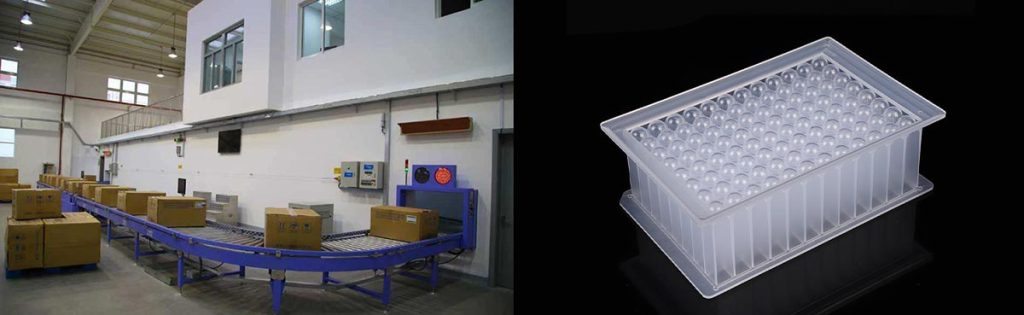
UV irradiation remains a common method for enhancing color stability in plastics. Many industries use UV treatments to protect packaging and food packaging from sunlight exposure. UV irradiation of polystyrene forms chemical species without causing significant chain scission, which helps maintain color stability. This process supports the long-term appearance of plastics in outdoor applications and sustainable packaging solutions. UV stabilizers often work alongside UV irradiation to further improve resistance to color degradation. Manufacturers rely on UV irradiation for packaging, bioplastics, and food packaging because it preserves color and extends product lifespan. UV treatments address challenges in maintaining color stability, especially for sustainable packaging solutions that require consistent visual quality.
Gamma Irradiation Effects
Gamma irradiation offers another approach to improving color stability in plastics. This technology uses high-energy gamma rays to modify polymer structures. Gamma irradiation can sterilize packaging and food packaging, making it valuable for medical and food applications. However, gamma irradiation may cause color changes in some plastics, especially those with sensitive pigments. The process can lead to color degradation if not carefully controlled. Manufacturers must balance the benefits of sterilization with the risk of color instability. Gamma irradiation remains a reliable solution for applications that demand both cleanliness and color stability, such as medical packaging and bioplastics used in food packaging.
Thermal Stabilization Methods
Thermal stabilization methods involve controlling heat during processing to prevent color degradation. High temperatures can cause oxidation and discoloration, especially in bioplastics and packaging materials. Manufacturers use precise temperature management to maintain color stability during molding and extrusion. Thermal stabilizers help reduce the risk of color change in food packaging and sustainable packaging solutions. These methods address challenges related to heat-sensitive pigments and additives. Thermal stabilization supports the production of bioplastics with improved color stability, making them suitable for a wide range of applications, including packaging and food packaging.
Additives and Color Concentrates
Additives and color concentrates play a crucial role in maintaining color stability in plastics. These solutions enhance the visual appeal of packaging and bioplastics while improving resistance to environmental factors. Additives protect against UV exposure, heat, and moisture, which are common challenges in packaging and food packaging. Color concentrates boost UV resistance, impact strength, and thermal stability, resulting in tougher and better-performing products. Manufacturers use these solutions to ensure consistent color quality in sustainable packaging solutions and bioplastics. Additives and color concentrates remain essential for addressing color degradation and supporting the stability of plastics in demanding applications.
- Color concentrates enhance UV resistance.
- They improve impact strength.
- They contribute to thermal stability, resulting in tougher and better-performing final products.
Bioplastic Color Stability
Bioplastics present unique challenges for color stability due to their natural pigments and biodegradable additives. Color changes often occur during processing methods such as injection molding and 3D printing. Heating processes can degrade natural pigments, leading to visual differences in color. Researchers have measured color changes in bioplastics using the CIELAB color space, analyzing samples like PHBV/PLA/CS/OE/Pgm/ATBC. Manufacturers must address these challenges to ensure bioplastic color stability in packaging and food packaging. Sustainable packaging solutions depend on reliable color stability to compete with traditional plastics. Solutions such as UV irradiation, additives, and thermal stabilization help improve the color stability of bioplastics in various applications.
- Color changes in bioplastics were measured before and after processing methods such as injection molding and 3D printing.
- Degradation of natural pigments during heating processes was identified as a cause for visual differences in color.
- Specific samples tested included PHBV/PLA/CS/OE/Pgm/ATBC and their color measurements were analyzed using the CIELAB color space.
Color Stability of Dentures
The color stability of dentures remains a critical factor in dental applications. Denture materials, such as PMMA, must maintain their color to ensure a natural appearance. Exposure to UV light, cleaning agents, and food can cause color degradation in denture materials. Manufacturers use additives, UV stabilizers, and thermal stabilization to address these challenges. Electron beam irradiation and gamma irradiation have also been explored for improving the color stability of dentures. Studies show that careful selection of materials and stabilization methods can enhance the color stability of dentures, supporting both aesthetics and durability. Solutions for denture materials must balance color stability with other performance requirements, ensuring long-lasting results for patients.
Note: Each technology offers unique advantages and challenges for color stability in plastics. UV irradiation maintains color stability without significant degradation, while electron beam irradiation can cause noticeable color changes due to the formation of conjugated double bonds and color centers. Additives and color concentrates provide versatile solutions for packaging, bioplastics, and food packaging, enhancing stability and resistance to environmental factors. Bioplastic color stability and the color stability of dentures require tailored solutions to address specific challenges in these applications.
Evidence and Practical Considerations
Study Results and Case Studies
Researchers have compared color stability in plastics across various solutions. In one study, immersion in coffee caused the highest color change in tested composites, showing that daily use environments can challenge color stability. All four composite materials in the study showed visible color changes, with values above the threshold for clinical acceptance. Bulk fill composites did not perform well for anterior restorations due to poor color stability. These findings highlight the need for effective solutions in packaging, bioplastics, and dental applications. Manufacturers must consider both stain removal and long-term stability when selecting materials for color-critical uses.
Cost and Scalability
Cost and scalability influence the adoption of color stability solutions in packaging and bioplastics. Electron beam irradiation equipment offers high throughput, making it suitable for large-scale packaging production. The initial investment can be significant, but operational costs decrease with volume. Additives and color concentrates provide cost-effective options for smaller batches or specialized applications. UV and gamma irradiation solutions may require additional safety measures, which can increase costs. Companies must balance the need for stain removal, stability, and color retention with their budget and production scale.
Material Compatibility
Material compatibility affects the success of color stability solutions. Some plastics, such as polyacetals and polycarbonate, show discoloration after electron beam irradiation. Polyoxymethylene can turn yellow or green, while polycarbonate tends to yellow unless color-corrected. Polystyrene begins to yellow at higher doses, and aromatic polyurethane also discolors. However, polyesters offer better stability. Manufacturers working with bioplastics must test each material for color stability, stain removal, and resistance to color degradation. Packaging and dental applications, including the color stability of dentures, require careful selection of compatible materials.
Implementing Electron Beam Irradiation Equipment
Implementing electron beam irradiation equipment requires planning and expertise. Operators must adjust settings to match the needs of packaging, bioplastics, and other applications. The equipment supports high-volume production and consistent stain removal. Companies should train staff to monitor stability and color retention throughout the process. Electron beam irradiation works best for applications that demand reliable color stability, such as food packaging, medical devices, and sustainable solutions. When combined with other solutions, such as additives, this technology can help achieve optimal results for color stability and stain removal in bioplastics and packaging.
Conclusion
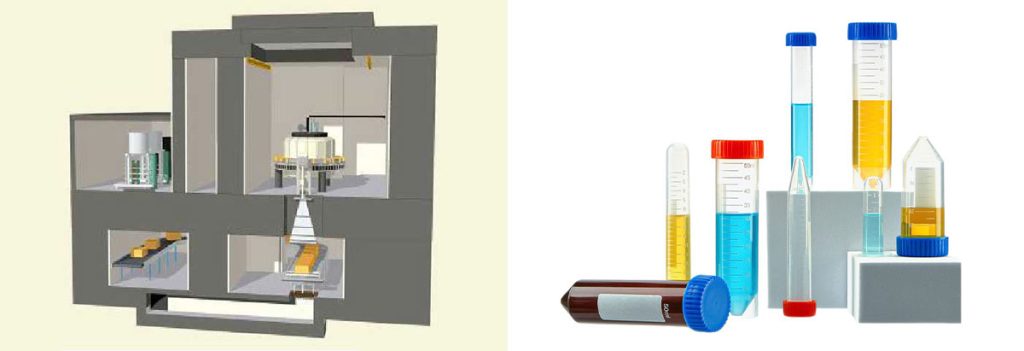
Industry experts recommend solutions like ULTRANOX™ 626 and WESTON™ 705T for high color stability and thermal performance. Electron beam irradiation works best for large-scale production and applications needing strong color retention, such as medical packaging and the color stability of dentures. Readers should compare technical factors, including heat stability and polymer compatibility, before choosing a method. Each technology offers unique strengths, so selecting the right one depends on product needs and production scale.
FAQ
What Is Electron Beam Irradiation?
Electron beam irradiation uses high-energy electrons to treat plastics. This process changes the internal structure of polymers. Manufacturers use it to improve color stability and durability in many products.
Does Electron Beam Irradiation Cause Color Changes?
Electron beam irradiation can cause color changes in some plastics. The process forms radicals that may lead to discoloration. Manufacturers test materials to ensure color stability before using this method.
How Does Electron Beam Irradiation Compare to UV and Gamma Irradiation?
Electron beam irradiation offers precise control and high throughput. UV irradiation protects against sunlight but may not sterilize. Gamma irradiation sterilizes but can cause color degradation. Each method suits different applications.
Is Electron Beam Irradiation Safe for Bioplastics?
Electron beam irradiation is safe for many bioplastics. Manufacturers must check compatibility because some natural pigments may react differently. Testing ensures color stability and product safety.
What Equipment Is Needed for Electron Beam Irradiation?
Manufacturers use specialized electron beam irradiation equipment. This equipment delivers controlled doses of electrons. Operators adjust settings to match material needs and production scale.