


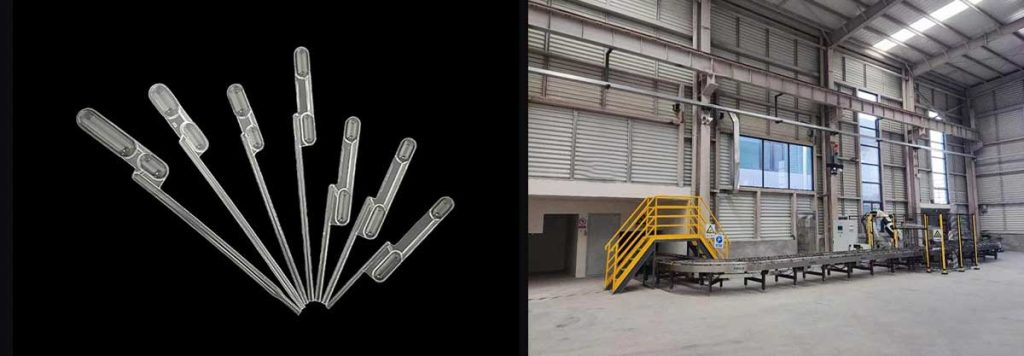
Reliability stands as a critical factor for electron beam irradiation equipment in medical and industrial settings. Operators depend on annual shutdown periods to maintain optimal performance and prevent unexpected failures. A planned shutdown offers a unique chance to inspect, repair, and upgrade machinery, which supports consistent electron beam sterilization and long-term operational success.
Key Takeaways
- Annual shutdowns enhance the reliability of electron beam irradiation equipment by allowing for thorough inspections and repairs.
- Regular maintenance during shutdowns prevents unexpected failures and extends the lifespan of critical components.
- Effective planning and resource management minimize downtime, ensuring a smooth transition back to full production.
- Continuous monitoring after shutdowns helps maintain high-quality sterilization results and supports operational excellence.
- Incorporating staff training during shutdowns boosts team confidence and prepares them for future challenges.
Annual Shutdown Benefits for Electron Beam Irradiation Equipment
Reliability and Performance Gains
A factory shutdown provides a structured opportunity to enhance the reliability of electron beam irradiation equipment. When a factory schedules a full shutdown, technicians can perform comprehensive inspections and address hidden issues. They often discover early signs of wear or damage that daily operations might conceal. This proactive approach prevents unexpected failures and extends equipment lifespan.
During a factory shutdown, teams can replace worn components and recalibrate systems. These actions restore optimal performance and reduce the risk of breakdowns. A planned shutdown also allows for the implementation of new technologies or upgrades. These improvements can increase throughput and ensure that production meets industry standards.
Tip: Regularly scheduled factory shutdowns help maintain a stable production environment. They reduce emergency repairs and lower long-term maintenance costs.
A factory shutdown also supports staff training. Technicians can learn about new procedures or equipment updates without the pressure of ongoing production. This knowledge transfer boosts confidence and ensures that the team can handle future challenges.
Impact on Electron Beam Sterilization
The impact of a factory shutdown on electron beam sterilization is significant. Consistent sterilization results depend on precise equipment function. A plant shutdown gives operators the chance to verify calibration and validate process parameters. This step is essential for industries that require strict compliance, such as medical device manufacturing.
A factory shutdown also minimizes the risk of contamination. Teams can clean and sanitize all parts of the electron beam irradiation equipment during a plant shutdown. This process removes debris and prevents product defects. Production resumes with equipment in peak condition, supporting high-quality output.
A factory shutdown can also reveal opportunities for process optimization. By analyzing downtime data, managers can identify bottlenecks and streamline workflows. This analysis leads to more efficient production cycles after the plant shutdown ends.
The table below summarizes key benefits of a factory shutdown for electron beam sterilization:
| Benefit | Description |
|---|---|
| Improved Reliability | Early detection and repair of equipment issues |
| Enhanced Performance | Upgrades and recalibration for optimal output |
| Compliance Assurance | Validation of sterilization parameters |
| Reduced Contamination Risk | Deep cleaning and maintenance during plant shutdown |
| Process Optimization | Data-driven improvements to production workflows |
A factory shutdown, when planned and executed well, transforms a routine pause into a strategic advantage. Production teams gain confidence in their equipment, and the factory achieves consistent, reliable results.
Planning a Factory Shutdown
Scheduling and Resource Management
Effective shutdown planning starts with a clear schedule and careful resource allocation. Teams in a factory must coordinate to minimize production interruptions. They often use detailed maintenance schedules to track service intervals and inspections. This approach helps identify system issues before they cause major problems. Stocking spare parts on-site reduces repair time during a factory shutdown. Cross-training employees in diagnostics ensures that the right skills are available when needed. Investing in technology, such as digital tools and predictive analytics, helps anticipate failures and streamline the shutdown process.
| Strategy | Description |
|---|---|
| Proactive Maintenance | Preventive service programs catch issues early and save costs. |
| Create Maintenance Schedules | Regular intervals and inspections help track system health. |
| Stock Spare Parts | On-site components reduce repair delays. |
| Cross-Train Employees | Multiple trained staff speed up diagnostics and repairs. |
| Invest in Technology | Digital tools and analytics predict failures and improve planning. |
Downtime Tracking and Analysis
Tracking shutdown downtime accurately is essential for continuous improvement. Real-time data collection provides immediate insights and supports fast communication. Automation captures exact start and end times, along with reasons for downtime. Systematic categorization, such as using Pareto charts, helps teams visualize the main causes of downtime. Teams should capture event details like machine ID, shift, product code, and fault codes. Contextual data, including who, what, when, where, why, and how, leads to better analysis and faster corrective actions. Analytical tools like Failure Mode and Effects Analysis (FMEA) help identify potential failure modes and prioritize risk mitigation strategies. This process optimizes future shutdowns and improves reliability.
Upgrades and Modifications
A factory shutdown offers the best opportunity to implement upgrades and modifications. Planned upgrades enhance the reliability and capabilities of electron beam irradiation systems. Installing new beam profile monitors improves performance and accuracy. Upgrading data acquisition systems increases operational reliability. Advanced diagnostic tools allow better monitoring of the beam, which supports the longevity of the equipment. By focusing on upgrades during shutdown, factories ensure that their systems remain efficient and competitive.
Tip: Incorporating upgrades and modifications during a shutdown can extend equipment life and boost overall efficiency.
Key Maintenance Steps During Annual Shutdown
Cleaning and Inspection
Teams begin shutdown maintenance operations with thorough cleaning and inspection. Technicians remove dust, debris, and residue from all surfaces of electron beam irradiation equipment. This step helps prevent contamination and supports reliable electron beam sterilization. Employees inspect critical components for signs of wear, corrosion, or damage. Regular inspection of high-wear parts allows teams to identify issues early and plan for necessary equipment upgrades. Preventative maintenance during shutdown ensures that systems operate efficiently and reduces the risk of unexpected failures.
Routine cleaning and inspection during shutdown maintenance operations protect product quality and extend equipment lifespan.
Component Replacement
Shutdown periods provide the best opportunity for component replacement. Technicians focus on parts that experience the most wear during regular operation. The following components most commonly require replacement during annual maintenance operations:
- Cathodes
- Waveguides
- Vacuum seals
- Filaments
- Foil
- O2 cell
Replacing these parts during shutdown helps maintain optimal performance and supports future equipment upgrades. Teams also check for any additional components that may need attention. By prioritizing component replacement, factories reduce downtime and improve reliability.
Safety and Compliance Checks
Employee safety remains a top priority during shutdown maintenance operations. Teams follow strict safety standards to protect personnel and ensure compliance. The table below outlines essential safety measures for electron beam irradiation equipment during shutdown:
| Safety Measure | Description |
|---|---|
| Engineering Design | Ensures controlled access to the radiation source and prevents unauthorized entry during operation. |
| Access Control | Only trained personnel have unrestricted access to the work area to mitigate risks. |
| Radiation Surveys | Final radiation surveys before operation help safety personnel assess risks. |
| Dosimetry | Monitoring exposure levels, especially if there is no prior dosimetry history. |
| Safety Interlocks | Systems prevent accidental exposure to radiation during maintenance or shutdown periods. |
| Lock-out/Tag-out Procedures | Ensures high voltage systems are safely managed during maintenance activities. |
Shutdown maintenance operations also include compliance checks for regulatory standards. Teams verify that all upgrades and equipment upgrades meet industry requirements. These steps ensure safe operation and support long-term reliability.
Common Issues and Solutions
Electrical and Mechanical Failures
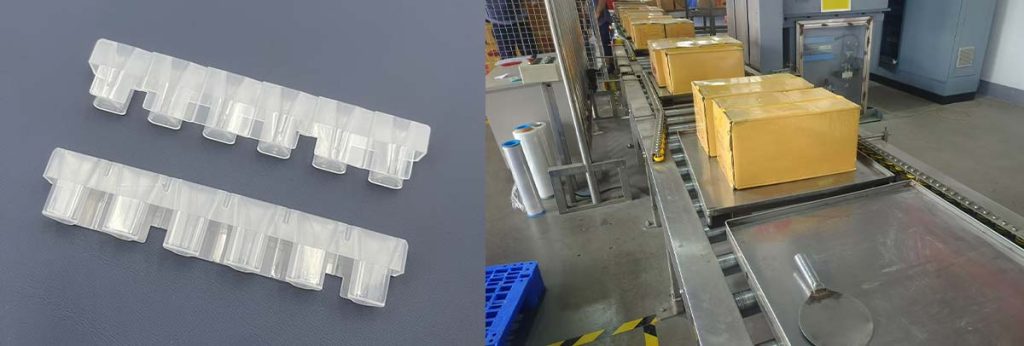
Many factories face electrical and mechanical failures during shutdown. These failures can cause disruptions in production and affect the reliability of electron beam irradiation equipment. Electrical issues often include faulty wiring, damaged connectors, or unstable power supplies. Mechanical problems may involve worn bearings, misaligned shafts, or broken seals.
Technicians use checklists to inspect all electrical connections and mechanical parts. They replace damaged wires and tighten loose connectors. They also lubricate moving parts and align shafts to prevent future disruptions. Regular shutdown maintenance helps teams find these problems early. This approach reduces manufacturing disruptions and supports consistent equipment performance.
Tip: Teams should document all repairs and replacements during shutdown. This record helps track recurring issues and improves future maintenance planning.
Process Optimization for Electron Beam Sterilization
Process optimization plays a key role in improving quality and reliability. During shutdown, managers review process data and identify steps that slow down production or lower quality. They analyze sterilization cycles, monitor temperature controls, and check conveyor speeds.
A table below shows common process issues and solutions:
| Issue | Solution |
|---|---|
| Uneven dose distribution | Adjust conveyor speed |
| Inconsistent product quality | Calibrate sensors and monitors |
| High energy consumption | Upgrade power supply components |
| Frequent system alarms | Update control software |
Teams use shutdown periods to test new settings and validate changes. They train staff on updated procedures to maintain high quality standards. These actions help prevent disruptions and ensure that electron beam irradiation equipment operates at peak efficiency.
Regular process reviews during shutdown lead to better quality and higher reliability.
Minimizing Downtime, Maximizing Uptime
Pre-Shutdown Preparation
Preparation before a factory shutdown determines how quickly a factory can return to full operation. Teams use several maintenance strategies to minimize downtime and maximize uptime. The table below outlines three main types of maintenance, their descriptions, and their advantages or disadvantages:
| Maintenance Type | Description | Advantages/Disadvantages |
|---|---|---|
| Preventive Maintenance | Scheduled tasks to prevent equipment failures by replacing or repairing parts before they fail. | Reduces frequency and severity of failures; may increase costs and resource wastage. |
| Corrective Maintenance | Reactive maintenance undertaken after a failure to restore normal operation. | Can save on costs and time; increases risk and impact of failures. |
| Predictive Maintenance | Proactive approach using data analysis to predict potential failures before they occur. | Optimizes maintenance scheduling; requires advanced skills and complex data processing. |
A factory shutdown plan should include a mix of these approaches. Preventive maintenance ensures that critical parts receive attention before problems arise. Predictive maintenance uses data from sensors and past performance to forecast issues. Corrective maintenance addresses unexpected failures but should not serve as the primary strategy. Teams should review spare parts inventory, assign clear roles, and communicate the shutdown schedule to all staff. Early preparation reduces confusion and helps the factory complete tasks efficiently.
Tip: Teams that document every step of the pre-shutdown process can identify gaps and improve future shutdowns.
Efficient Execution and Testing
During a factory shutdown, efficient execution depends on clear communication and strict adherence to the maintenance plan. Teams should follow a detailed checklist for each piece of electron beam irradiation equipment. This checklist includes cleaning, inspection, component replacement, and calibration. Supervisors monitor progress and adjust resources as needed to avoid delays.
Testing plays a vital role before restarting production. Technicians run system diagnostics and simulate operating conditions. They verify that all safety interlocks function correctly and that calibration meets industry standards. Any issues discovered during testing receive immediate attention. This process ensures that the factory resumes operations with reliable equipment.
A successful factory shutdown also relies on teamwork. Staff must report problems quickly and share updates with supervisors. Open communication prevents misunderstandings and speeds up problem-solving. Teams that hold brief meetings at the start and end of each shift can track progress and address concerns.
Note: Efficient execution and thorough testing during a factory shutdown reduce the risk of post-shutdown failures and support long-term reliability.
Continuous Monitoring
Continuous monitoring after a factory shutdown helps maintain high reliability for electron beam irradiation equipment. Teams use systematic conditioning procedures before each irradiation session. These steps improve beam stability and reduce uncertainties. Real-time diagnostics provide immediate feedback on beam fluctuations. Technicians can make dynamic adjustments to enhance dose accuracy.
Automated feedback systems adjust parameters in real time. These systems ensure consistent beam intensity during long sessions. Teams review monitoring data regularly and look for trends that signal potential problems. Early detection allows for quick intervention and prevents major disruptions.
- Systematic conditioning procedures before irradiation sessions improve beam stability and reduce uncertainties.
- Real-time diagnostics provide immediate feedback on beam fluctuations, enabling dynamic adjustments to enhance dose accuracy.
- Automated feedback systems can adjust parameters in real time, ensuring consistent beam intensity during prolonged sessions.
Continuous improvement depends on feedback from both equipment and staff. Teams should encourage open communication about any issues or suggestions. Regular review meetings help identify areas for improvement and set goals for the next factory shutdown.
Tip: Continuous monitoring and feedback loops create a culture of reliability and support ongoing operational excellence.
Conclusion

Annual shutdowns give factories a chance to boost the reliability of electron beam irradiation equipment. Teams can prevent unexpected failures and keep sterilization results consistent. Regular maintenance and careful planning help minimize downtime. Reliable equipment supports safe and efficient production.
Planning the next annual shutdown ensures long-term success and keeps operations running smoothly.
FAQ
What Is the Purpose of an Annual Shutdown for Electron Beam Irradiation Equipment?
An annual shutdown allows technicians to inspect, clean, and upgrade equipment. They prevent unexpected failures and improve reliability. Factories use this time to train staff and validate safety procedures.
How Can Teams Minimize Downtime During a Shutdown?
Teams prepare by creating detailed schedules and stocking spare parts. They assign clear roles and use checklists. Communication helps everyone stay informed and complete tasks quickly.
Tip: Early planning and teamwork reduce downtime and speed up recovery.
Which Components Require Regular Replacement?
Technicians focus on high-wear parts. Common replacements include cathodes, waveguides, vacuum seals, filaments, foil, and O2 cells.
| Component | Reason for Replacement |
|---|---|
| Cathode | Wear from regular use |
| Foil | Damage or contamination |
| Vacuum Seal | Prevent leaks |
Why Is Continuous Monitoring Important After a Shutdown?
Continuous monitoring helps teams detect problems early. They use diagnostics to track beam stability and dose accuracy. Quick adjustments keep equipment reliable and maintain product quality.