


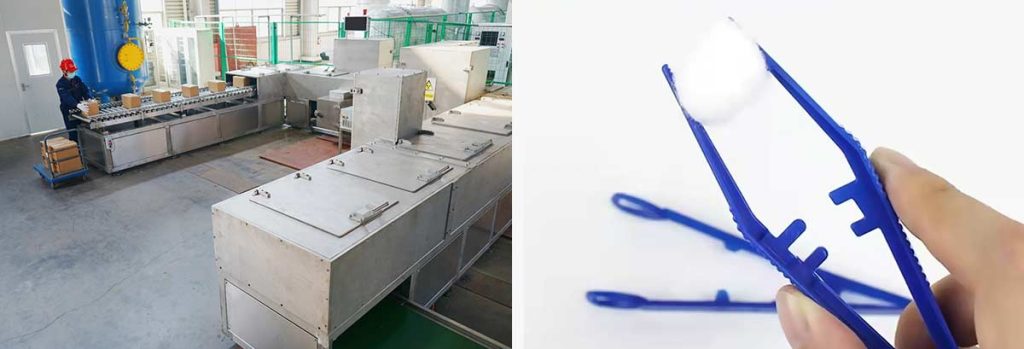
A medical equipment sterilization machine plays a critical role in emergency medical care and disaster response. Sterilization ensures that all medical tools remain free of harmful microorganisms, reducing the risk of infection during urgent care. Emergency teams depend on various sterilization machines, such as steam autoclaves for rapid cycles or low-temperature options for delicate instruments. Medical sterilization in disaster response settings requires clear protocols and reliable equipment. Proper use of these machines helps maintain high standards of care, even in unpredictable environments.
Key Takeaways
- Sterilizing medical equipment prevents infections and protects patients and EMS staff during emergency care.
- EMS teams face challenges like limited resources, time pressure, and tough field conditions that affect sterilization quality.
- Following clear preparation, operation, and post-sterilization steps ensures equipment stays safe and effective.
- Choosing the right sterilization machine, such as autoclaves, gas, or electron beam, depends on the equipment type and situation.
- Regular maintenance, safety protocols, and standardized checklists help EMS teams keep sterilization processes reliable and consistent.
Importance of Sterilization in Emergency Medical Care
Infection Prevention
Medical sterilization stands as a cornerstone of infection control practices in emergency medical care. Pathogens such as Clostridium difficile, norovirus, human papillomavirus, MRSA, VRE, and multidrug-resistant gram-negative bacteria often contaminate reusable medical equipment. These organisms cause healthcare-associated infections, which can spread quickly if medical devices do not undergo proper sterilization. The Spaulding classification system guides the sterilization of critical and semicritical devices, helping prevent infections like catheter-associated urinary tract infections and ventilator-associated pneumonia. The Centers for Disease Control and Prevention highlights that some pathogens, including C. difficile and norovirus, resist routine disinfectants, requiring specialized agents for effective cleaning. Medical sterilization reduces cross-contamination risks and limits the transmission of dangerous microorganisms in emergency medical care settings.
Improved cleaning and sterilization of patient rooms and medical equipment directly lower healthcare-associated infection rates. Technologies such as ultraviolet irradiation and hydrogen peroxide systems have demonstrated success in reducing colonization and infection rates of key pathogens. Adhering to sterilization guidelines based on device classification remains crucial for effective infection prevention.
Patient Safety
Patient safety depends on rigorous medical sterilization protocols in emergency medical care. Inadequate sterilization leads to surgical site infections and healthcare-associated infections, which negatively impact patient outcomes. Sterile Processing Departments ensure thorough cleaning and sterilization of instruments, removing bioburden and residual tissue. In the field, EMS providers face unique challenges, including increased risk of needlestick injuries and environmental contamination. Studies have found pathogenic bacteria like Staphylococcus, Klebsiella, and E. coli present in ambulances, highlighting the need for strict sterilization. Cross-contamination occurs frequently during emergency calls, increasing the risk of healthcare-associated infections. Consistent medical sterilization practices protect both patients and providers during care.
Regulatory Standards
Regulatory standards guide medical sterilization in emergency medical care across major regions. The CDC issues detailed guidelines for sterilization processes, including device cleaning, packaging, sterilizer loading, and quality monitoring. These standards ensure effective and consistent sterilization, protecting patients and healthcare personnel. In the United States, the FDA enforces strict standards for medical device sterilization. The European Union relies on the European Pharmacopoeia and the European Committee for Standardization to harmonize procedures. The World Health Organization provides global recommendations, supporting infection control in low-resource settings. Adherence to these standards ensures safe care and reduces healthcare-associated infections in emergency medical care environments.
Challenges in EMS Sterilization
Limited Resources
Emergency medical teams often operate with limited resources, especially during disaster response. They may lack access to advanced sterilization machines or sufficient supplies for thorough cleaning. Portable sterilization units become essential in these scenarios, offering flexibility and mobility. However, these units sometimes have lower capacity and may not achieve the same level of sterilization as larger systems. Teams must prioritize which medical equipment receives immediate attention, balancing the need for rapid care with infection control. Training field personnel to maximize the efficiency of available resources ensures that critical tools remain safe for patient use.
Time Constraints
Time pressure defines most disaster response situations. Medical sterilization and disinfection must occur quickly to keep up with urgent care demands. The following table highlights how time constraints impact EMS professionals:
| Aspect | Summary | Impact |
|---|---|---|
| Manual wipe disinfection | Takes about 2 hours for full ambulance | Impractical during emergencies; delays care |
| Localized cleaning | Minutes for small areas | Useful for minor contamination but not comprehensive |
| Hydrogen peroxide aerosol | 3-4 hours downtime | Not feasible for routine EMS use |
| Human factors | Variability in application | Inconsistent sterilization quality |
| Innovative solutions | Plasma disinfection offers continuous cleaning | Improves efficiency and reduces downtime |
Portable sterilization units can address some of these challenges by allowing quick turnaround of essential medical tools. Still, the need for speed often limits the thoroughness of sterilization. Training field personnel to use rapid-cycle machines and follow strict protocols helps maintain safety standards even under pressure.
Field Conditions
Field conditions during disaster response present unique obstacles for medical sterilization. Teams may work in unpredictable environments, such as outdoor sites or damaged buildings, where stable power and clean water are unavailable. Portable sterilization units provide a practical solution, but their effectiveness depends on proper setup and maintenance. Dust, debris, and temperature extremes can compromise both the equipment and the sterilization process. Training field personnel to adapt procedures and troubleshoot issues in real time supports ongoing care delivery. Consistent protocols and regular practice ensure that medical teams can uphold infection control standards, regardless of the setting.
Using Medical Equipment Sterilization Machine
Preparation Steps
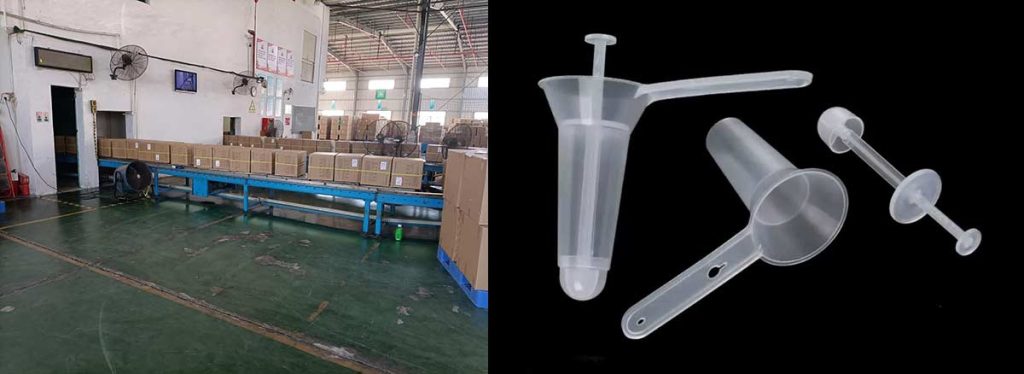
Emergency medical teams must follow a systematic approach when preparing to use a medical equipment sterilization machine. Proper preparation ensures the effectiveness of sterilization and reduces the risk of infection transmission. The following steps outline best practices for preparation:
- Wear personal protective equipment (PPE), including gloves, eyewear, and facemasks. Replace PPE between patients to maintain sterility.
- Perform point-of-use cleaning immediately after using instruments. This prevents contaminants from drying and becoming harder to remove.
- Transport used instruments in leak-proof, puncture-resistant containers clearly labeled with biohazard symbols.
- Manually clean instruments with soft brushes and detergent, focusing on joints and crevices where debris can accumulate.
- Use mechanical cleaning devices, such as ultrasonic cleaners or washer-disinfectors, following manufacturer instructions.
- Rinse instruments thoroughly, especially if using chemical sterilization methods like ethylene oxide, to remove any toxic residues.
- Dry all instruments completely to prevent corrosion and maintain functionality.
- Lubricate moving parts with medical-grade lubricant to ensure smooth operation.
- Inspect each instrument for cleanliness and proper function before packaging.
- Package instruments in sterilization pouches or wraps that allow steam or gas penetration, maintaining sterility until use.
- Store packaged instruments in a clean, dry, temperature-controlled environment.
- Document the entire sterilization process, including cycle parameters and operator details, to ensure traceability and compliance.
Tip: Consistent documentation and adherence to preparation protocols help maintain high standards of medical sterilization and support regulatory compliance.
Operation Process
Operating a medical equipment sterilization machine in emergency medical services requires attention to detail and strict adherence to protocols. The following process maximizes the efficiency and safety of sterilization machines:
- Confirm that all materials are suitable for the selected sterilization method. Avoid placing oils, waxes, flammable, or toxic materials in the machine.
- Package instruments using steam-penetrable wrapping or containers. Loosely cover containers to allow proper steam or gas penetration.
- Clean the drain strainer before loading the sterilization machine. Use carts to transfer items, minimizing direct handling.
- Load the machine carefully. Do not overload; separate liquids and solids to ensure even exposure.
- Set operating parameters according to manufacturer guidelines. For steam sterilization, a common setting is 121°C at 15 psi for at least 30 minutes, but adjust based on load type and size.
- Wear heat-insulating gloves, face shields, lab coats, and closed-toed shoes to prevent burns and injuries during operation.
- Start the sterilization cycle and monitor the process using built-in indicators or cloud-based monitoring systems for real-time tracking.
- Allow the machine to complete the full cycle. Do not interrupt the process, as incomplete cycles compromise sterilization.
- After the cycle, ensure proper cooling before removing items to avoid steam burns or spills.
Note: Rapid sterilization cycles are available on some machines, allowing EMS teams to quickly process essential instruments without sacrificing safety or effectiveness.
Post-Sterilization Handling
Proper post-sterilization handling is critical to maintaining the sterility of medical equipment and preventing recontamination. EMS professionals should follow these steps:
- Perform daily sanitization of equipment exposed to bodily fluids. Remove visible contaminants, apply EPA-registered disinfectants with the recommended dwell time, and focus on crevices and textured surfaces.
- Allow all equipment to dry fully before storage to prevent microbial growth.
- Conduct weekly deep cleaning of all equipment, including items not used during the week, to prevent cross-contamination and maintain readiness for rapid deployment.
- Store sterilized equipment in organized compartments based on frequency of use, critical importance, size, and fragility. Use clearly labeled containers for small items and dedicated storage for larger devices.
- Maintain environmental conditions appropriate for each equipment type. Store electronic devices in temperature-controlled, low-humidity areas and keep batteries in cool, dry, shaded places.
- Implement a regular rotation and inspection system. Document inspection dates, results, and any maintenance performed.
- Use standardized checklists covering daily, weekly, and monthly sterilization and storage protocols to ensure consistency across all EMS personnel.
- Invest in quality storage solutions designed for EMS equipment to protect tools and improve emergency response times.
High-touch surfaces such as stretchers, door handles, blood pressure cuffs, and stethoscopes present persistent contamination risks. EMS teams should prioritize these items for frequent disinfection and reinforce hand hygiene protocols to reduce the spread of multi-drug resistant organisms.
Medical sterilization does not end with the machine cycle. Teams must remain vigilant about aseptic handling, routine inspection, and strict adherence to protocols. Rapid sterilization methods support EMS efficiency, but only consistent post-sterilization practices ensure ongoing patient safety and infection control.
Types of Sterilization Machines
Autoclaves and Steam
Autoclaves and steam sterilization machines remain the gold standard for critical medical equipment. These machines use high-pressure saturated steam to eliminate bacteria, viruses, and spores. N class autoclaves have shown superior efficacy in sterilizing contaminated instruments, outperforming chemical sterilants such as glutaraldehyde. Thermal sterilization methods like autoclaves provide higher sterility assurance levels than liquid chemical sterilants. Heat penetrates barriers such as biofilms and blood, ensuring thorough sterilization. However, EMS teams rarely use autoclaves in the field due to challenges with portability and sterile storage. Only a small percentage of Army medical personnel reported using autoclaves, while most relied on portable sterilization units or cold sterilization. Portable sterilization machines offer a practical alternative for EMS, especially when rapid turnaround is essential.
Note: Autoclaves work best for heat-resistant instruments. They may not suit delicate or heat-sensitive devices commonly found in EMS kits.
Ethylene Oxide (EtO) and Gas
Ethylene oxide and gas sterilization machines use chemical vapors to sterilize medical equipment at low temperatures. This method suits complex or delicate instruments that cannot withstand high heat. EMS teams often choose portable sterilization units using EtO for items with intricate designs or made from sensitive materials. These machines provide effective sterilization without damaging equipment. However, chemical sterilants have limitations, including bulkiness, short shelf life, and difficulty maintaining sterility after processing. EMS providers must follow strict safety protocols when handling EtO, as it can be hazardous if not managed correctly.
- Suitable for: Endoscopes, plastic devices, and electronic components.
- Not ideal for: Rapid sterilization needs or environments with limited ventilation.
Electron Beam Sterilization
Electron beam sterilizer uses high-energy charged particles to destroy microorganisms. This technology excels at sterilizing medical devices with complex designs or made from heat-sensitive materials. EMS teams benefit from electron beam sterilization when treating polymer-based PPE and thin-layer medical devices. During the COVID-19 pandemic, this method proved valuable for ensuring the safety and reusability of personal protective equipment. Electron beam sterilization works quickly and does not require high temperatures, making it ideal for rapid EMS deployment. However, its limited penetration means it best suits surface or thin-layer items.
The benefits of sterilization machines like electron beam sterilization equipment include fast processing times and the ability to handle delicate equipment without heat damage.
Portable sterilization units using electron beam or gas technologies help EMS teams maintain high standards of medical sterilization in challenging environments. Choosing the right sterilization machines ensures both patient safety and equipment longevity.
Best Practices for Sterilization
Safety Protocols
EMS teams must follow strict safety protocols to ensure effective sterilization and protect both patients and staff. Personnel should always wear appropriate personal protective equipment and adhere to safety measures during disinfection. Immediate cleaning medical tools after use prevents debris from hardening and reduces microbial growth. Teams should adapt enhanced cleaning protocols to the environment, monitoring humidity and temperature to optimize disinfection methods. Portable sterilization units, such as vaporized hydrogen peroxide generators, help maintain high standards in challenging field conditions. Comprehensive training and continuous education on sterilization techniques and infection control remain essential for maintaining safety and quality of care.
Maintenance and Storage
Reliable operation of sterilization machines depends on routine maintenance. Teams should perform mechanical monitoring by checking gauges and displays to verify pressure, temperature, and exposure time. Chemical indicators provide immediate feedback after each cycle, while weekly biological indicator tests confirm the destruction of resistant microorganisms. Regular servicing and calibration, along with thorough documentation, uphold operational standards. For storage, EMS teams must keep sterilized medical equipment in clean, temperature- and humidity-controlled environments. Items should be organized by frequency of use and clearly labeled for quick access. Specialized storage solutions, such as instrument racks and secure cabinets, help preserve sterility and support rapid deployment during emergencies. Inventory management systems track usage and expiration, ensuring readiness at all times.
Standardized Checklists
Standardized checklists form the backbone of enhanced cleaning protocols in EMS. Teams should review and update weekly checklists to maintain compliance and safety. Assigning responsibilities and scheduling fixed times for reviews ensures consistency. Documentation of all cleaning, sterilization, and inspection activities provides legal protection and supports quality improvement. Infection control audits, conducted regularly, allow teams to monitor the effectiveness of sterilization and disinfection methods. Ongoing training ensures that all personnel remain prepared to implement best practices and adapt to new challenges in the field.

Conclusion
Medical equipment sterilization machine remains vital for EMS teams, especially during disaster response. Studies show that proper disinfection in ambulances can reduce microbial contamination by up to 90%, lowering infection risks for both patients and staff. Training improves knowledge and attitudes toward sterilization, supporting safer care. EMS teams should select the right sterilization machine for each disaster response scenario, maintain strict protocols, and prioritize readiness through regular assessments and portable equipment.