


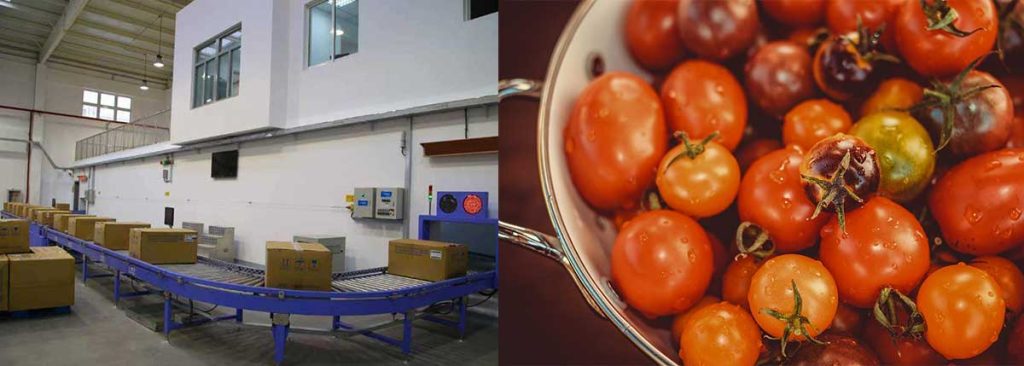
Selecting the best conveyor system type shapes the efficiency and cost-effectiveness of any operation. Imagine a facility manager comparing different types of conveyor systems to move products faster and safer. Conveyor type selection can directly influence throughput, downtime, and maintenance costs. A well-chosen system allows for process automation and prolongs equipment life. Conveyor System Types, when matched correctly to a specific workflow, help reduce operational expenses and improve reliability. Choosing the right belt conveyor supports seamless production and boosts overall productivity.
Key Takeaways
- Choosing the right conveyor system boosts efficiency and reduces costs. Match the system to your specific workflow for optimal results.
- Consider product specifications like size, weight, and shape when selecting a conveyor. This ensures the system meets handling requirements effectively.
- Regular maintenance is crucial for conveyor longevity. Schedule inspections and cleaning to prevent breakdowns and maintain smooth operations.
- Evaluate scalability and flexibility in conveyor systems. Modular designs allow for easy adjustments as production needs change.
- Prioritize safety and compliance with industry standards. Implement proper guarding and training to protect workers and ensure a safe working environment.
Conveyor System Types
Modern industrial operations rely on a wide range of conveyor system types to move materials efficiently. Each type offers unique features and serves specific applications. Understanding the differences helps facilities select the best solution for their workflow.
Pallet Conveyors
Pallet conveyors handle heavy loads and large items. These systems often use chain-driven power rollers or drag chain conveyors. Industries such as automotive, warehousing, and manufacturing use pallet conveyors for transporting components and finished goods. Load capacities vary by design:
| Type of Conveyor | Load Capacity |
|---|---|
| Chain-driven power roller | 2,000 pounds |
| Heavy-duty chain-driven | 1,000 pounds |
| Drag chain conveyors | Up to 6,000 pounds |
Chain-driven systems excel in environments with high temperatures or heavy-duty requirements. They support efficient movement of pallets and large containers.
Roller Conveyors
Roller conveyors move products using rollers mounted on axles. These conveyor system types suit heavy items like pallets, drums, and large packages. Facilities use them for accumulation zones and efficient floor space use. Roller conveyors require less energy than some alternatives and offer lower maintenance costs. They appear in distribution centers, assembly lines, and packaging plants. The advantages of belt over roller conveyors include better control for delicate or irregular items.
Overhead Conveyors
Overhead conveyor systems utilize vertical space, freeing up valuable floor area. These types of conveyor systems work well in high-volume operations, such as automotive painting and garment handling. Overhead conveyors allow bi-directional movement and easy bulk load handling. They create a clutter-free workspace and support material storage above production areas.
| Scenario | Unique Features |
|---|---|
| High-volume operations | Utilizes vertical space, conserves floor space |
| Automotive painting | Bi-directional product movement |
| Garment handling | Easy bulk load handling |
| Material storage | Clutter-free workspace below |
Electron Beam Irradiation Equipment
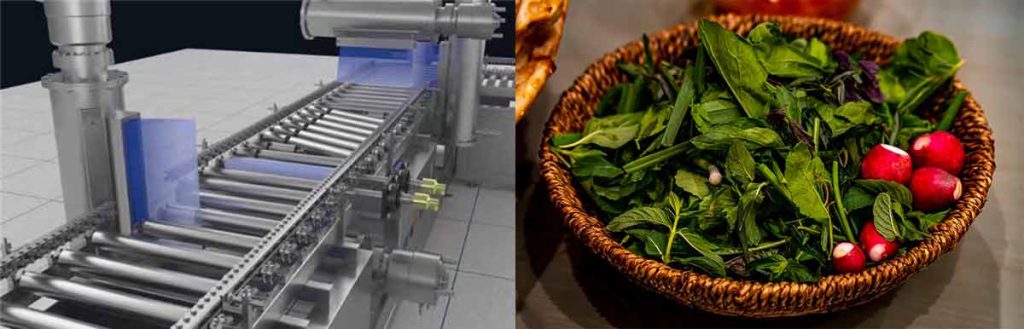
Electron beam irradiation equipment represents a specialized conveyor system type. Food processing facilities integrate this technology to enhance food safety and preservation. The electron beam sterilizer inhibits microorganism growth and supports just-in-time processing. Electron beam systems adapt to various industrial applications, including waste reduction and quality control. The electron beam technology continues to evolve, meeting the needs of modern production environments.
Tip: Facilities should consider the specific applications and operational goals when comparing conveyor system types. Matching the right type to the task improves efficiency and product quality.
Assessing Your Needs
Product Specifications
Selecting the right conveyor system starts with a careful review of product specifications. Facility managers must consider the size, weight, shape, and properties of every item handled. For example, fragile materials require gentle movement, while abrasive products need durable surfaces. The table below outlines key factors for evaluating gearmotors and conveyor components:
| Factor | Description |
|---|---|
| Load Capacity | Maximum weight the system will handle. |
| Speed and Torque | Required speed and torque for optimal movement. |
| Shock Load Considerations | Ability to withstand sudden starts or stops. |
| Space Constraints | Fit within available space and allow maintenance access. |
| Environmental Conditions | Suitability for temperature and humidity variations. |
| Energy Efficiency | Use of efficient motors and drives to reduce costs. |
| Reliability and Durability | Proven track record to minimize downtime. |
| Maintenance and Serviceability | Ease of maintenance and availability of spare parts. |
Slider bed conveyors offer flexibility for transporting lightweight and irregularly shaped items. These systems support warehouse automation by adapting to various product types. Facilities often choose slider bed conveyors for their versatility and the advantages of slider belt conveyors in handling delicate goods. Applications for belt over roller conveyors include moving boxes, packages, and products with uneven surfaces.
Tip: Assessing product characteristics ensures the conveyor system matches the material handling requirements and supports reliable functionality.
Accumulation Requirements
Accumulation zones play a vital role in automated conveyor systems. These zones allow products to pause temporarily, supporting customized workflows and efficient warehouse automation. The accumulation logic determines how items move and stop, which impacts overall system functionality. Facilities design accumulation areas based on product size and required capacity. This customization helps maintain a steady flow and prevents bottlenecks in material handling operations.
Environment and Layout
Environmental factors influence the selection and performance of industrial conveyor systems. Temperature changes affect conveyor materials, so cold storage facilities need systems that operate in low temperatures. High-heat environments require heat-resistant components. Humidity can cause corrosion, making sealed and corrosion-resistant designs essential. Cleanliness matters in food processing and pharmaceutical applications, where dust-resistant housings protect equipment. Chemical exposure demands conveyor systems with resistant materials.
Layout planning supports warehouse automation by maximizing available space. Facility managers measure installation areas, identify obstacles, and use vertical space with mezzanines or spiral conveyors. Overhead conveyors preserve floor space, while incline lifts and modular systems improve layout efficiency. Entry and exit points must integrate seamlessly with other operations. Safety measures ensure smooth operation and protect workers.
Transfer Requirements
Transfer requirements determine how products move between different sections of automated conveyor systems. Facilities must accommodate materials of various shapes, sizes, and weights. The design should prevent damage and maintain smooth transitions. Common transfer styles include gravity rollers, dead plates, powered transfers, and side-to-side transfers. Longer cases may not need transfers, but shorter products often require powered solutions. Proper transfer design enhances material handling and supports reliable warehouse automation.
Note: Evaluating transfer needs ensures the conveyor system maintains consistent functionality and adapts to changing production demands.
Selecting a Conveyor System
Cost Considerations
Selecting a conveyor system involves careful budgeting. Facility managers must account for both initial investment and long-term operational costs. Experts recommend budgeting about $1,500 per linear foot for installation, which includes supports and power sources. The price range for conveyor systems varies widely:
| Type of Conveyor System | Price Range |
|---|---|
| Flat Belt Conveyors | $1,000 – $10,000 |
| Modular Pallet Conveyors | $5,000 – $50,000 |
| Roller Conveyors | $2,000 – $20,000 |
| Chain Conveyors | $5,000 – $50,000 |
| Toothed Belt Conveyors | $2,000 – $15,000 |
| Basic Conveyor Systems | $500 – $30,000 |
| Custom Conveyor Solutions | $10,000 – $100,000 |
| Installation Costs | $500 – $5,000 |
| Maintenance Costs | $500 – $3,000 annually |
Initial investment includes purchase price and installation costs. Ongoing maintenance and repair expenses significantly impact total cost of ownership. Energy efficiency plays a crucial role in long-term operational costs. Belt conveyor systems often have lower upfront costs but may incur higher operational expenses due to energy consumption and maintenance needs. Motor-driven roller systems may require a higher initial investment, yet they offer long-term savings through energy efficiency and reduced maintenance.
Installation costs range from $500 to $5,000 depending on system complexity. Annual maintenance costs can vary from $500 to $3,000 based on usage.
Facility managers should compare the total cost of ownership for each conveyor system. Considering both short-term and long-term expenses helps avoid budget overruns and ensures a sound investment.
Maintenance and Downtime
Proper maintenance keeps conveyor systems running smoothly. Regular inspections help identify wear and damage early, preventing costly breakdowns. Cleaning removes debris that can hinder performance, while lubrication reduces friction and extends the system’s lifespan. Tension adjustment ensures efficient operation and avoids premature wear on the belt.
Mechanical failures can halt conveyor operations. Lack of maintenance leads to unexpected breakdowns. Operator error can quickly escalate into significant issues. Overloading can compromise a conveyor system’s integrity, leading to premature failure of components and reduced efficiency. This results in slower production rates and increased operational costs.
Facility managers should follow these steps to minimize downtime:
- Check tension to prevent misalignment.
- Align pulleys to guide the belt correctly.
- Install tracking devices to maintain belt centering.
Warehouse conveyor systems benefit from planned maintenance scheduling. Regular inspections, cleaning, and lubrication extend the lifespan of roller conveyors and other conveyor systems. Maintenance-free belts and designs that allow easy access to parts can enhance longevity and reduce downtime.
Scalability and Flexibility
Scalability and flexibility are key advantages when selecting the right system. Modular conveyor systems provide unparalleled adaptability in production environments. Their sectional design enables quick reconfigurations, expansions, or modifications to meet changing production requirements. These systems can be adjusted without the need for a complete system overhaul.
| Feature | Description |
|---|---|
| Modularity | Provides flexibility to adjust workflow and design custom solutions without major reconfiguration. |
| Smart Monitoring Software | Enables proactive maintenance and reduces downtime by closely monitoring conveyor status. |
| Adaptability | Allows for easy reconfiguration to meet changing production needs without extensive downtime. |
Over-and-under conveyors adapt easily to layout changes, which is crucial for manufacturers looking to scale operations. As production needs evolve, these systems can be reconfigured without extensive downtime or costly renovations. Modular conveyors allow changes by swapping out modules with the release of a few bolts. Modules can be snapped in or out easily. This flexibility allows for quick responses to changes in production volume and layout.
Warehouse conveyor systems with modularity optimize space utilization, improve ergonomics, and enhance productivity. Smart monitoring software facilitates proactive maintenance and minimizes downtime. Adaptability enables easy reconfiguration to meet evolving production needs.
Safety and Compliance
Safety and compliance remain top priorities for all conveyor systems. Industry standards such as OSHA, ANSI/ASME B20.1, CEMA, CCOHS, and ASME B.20 1-2024 set requirements for design, construction, installation, operation, inspection, and maintenance.
| Standard | Key Requirements |
|---|---|
| OSHA | Guarding, emergency stops, maintenance and inspection, lockout tag-out (LOTO), training, material handling, electrical safety, noise and vibration. |
| ANSI/ASME B20.1 | Design, construction, installation, operation, inspection, and maintenance of conveyors. Regular inspections and maintenance are mandated. |
| CEMA | Proper guarding to prevent contact with moving parts, regular maintenance, and risk assessments. |
| CCOHS | Guidelines on conveyor ergonomics, safety, and guarding by location. |
| ASME B.20 1-2024 | Design, construction, installation, maintenance, inspection, and operation of conveyors in relation to hazards. |
Proper guarding prevents contact with moving parts. Emergency stop controls must be accessible to workers. Regular maintenance and inspections help identify hazards. Lockout/tagout procedures during maintenance protect employees. Adequate training ensures workers understand safety protocols.
Emergency stops provide immediate control in emergencies, preventing serious injuries when a worker gets caught in the conveyor. Guarding mechanisms prevent workers from accidentally reaching into hazardous areas, reducing the risk of life-threatening accidents.
Warehouse conveyor systems must comply with these standards to ensure a safe working environment. Cleanability and hygiene are crucial for consumer health and product quality, especially in food processing and pharmaceutical applications.
Conveyor System Selection Checklist
Facility managers can use the following checklist to compare conveyor system options:
| Criteria Type | Description |
|---|---|
| Technical | Evaluates the technical specifications and capabilities of the conveyor systems. |
| Economic | Assesses the cost-effectiveness and financial implications of each option. |
| Operational | Considers the operational efficiency and suitability for specific tasks. |
| Strategic | Looks at how well the options align with long-term business goals and strategies. |
| Ergonomic | Evaluates user-friendliness and safety aspects of the conveyor systems. |
Tip: Facility managers should prioritize hygiene, specification fulfillment, future-proofing, maintenance, and cleanability when selecting a conveyor system. Consulting with experts during the planning phase can prevent choosing the wrong conveyor type.
Facility managers should understand spatial constraints, test conveyor types with actual product samples, and identify where accumulation is required. Regular maintenance, inspection, and cleaning are essential to avoid breakdowns and material loss. Proper speed and containment measures prevent product damage during transport. Understanding product handling requirements is vital for designing an efficient conveyor system.
Selecting a conveyor system requires a thorough site survey and consultation with experts. Avoiding a one-size-fits-all approach reduces maintenance costs and ensures the system meets operational needs.
Conclusion
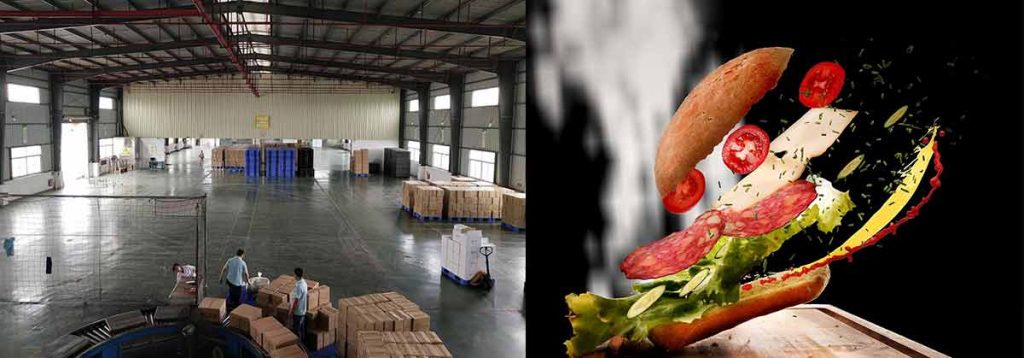
Selecting the right conveyor system type shapes business performance across industries. Facilities that align conveyor systems with operational goals see increased productivity, lower labor costs, improved safety, higher accuracy, and cost savings.
| Benefit | Explanation |
|---|---|
| Increased Productivity | Automating material movement reduces delays and speeds up order fulfillment. |
| Lower Labor Costs | Minimizing manual handling leads to long-term savings. |
| Improved Safety | Reducing heavy lifting decreases injury risks. |
| Higher Accuracy | Automated conveyors ensure precise item movement. |
| Cost Savings | Streamlined operations lower operational costs. |
Facility managers should use the checklist and selection process to guide decisions. Consulting with experts helps tailor solutions, identify efficient designs, and prevent costly mistakes. Regular reviews and updates keep conveyor systems aligned with changing needs. Each operation benefits from evaluating its unique requirements before making a final choice.
FAQ
What Factors Should Facilities Consider Before Choosing a Conveyor System?
Facilities evaluate product size, weight, and shape. They review workflow, accumulation needs, and environment. Managers assess layout, transfer requirements, and safety standards. They compare conveyor types to match operational goals and ensure efficient material handling.
How Does Conveyor Maintenance Impact Operational Efficiency?
Regular maintenance prevents breakdowns and reduces downtime. Teams inspect conveyor belts, rollers, and motors. They clean and lubricate moving parts. Scheduled checks extend equipment life and support consistent production rates. Maintenance improves safety and lowers long-term costs.
Can Conveyor Systems Be Customized for Unique Applications?
Engineers design conveyor systems for specific tasks. They modify layouts, add modules, and select materials. Facilities request custom features for food processing, packaging, or assembly. Customization supports unique workflows and adapts to changing production needs.
What Safety Features Should Conveyor Systems Include?
Conveyor systems use guards, emergency stops, and lockout/tagout procedures. Managers train workers on safe operation. Regular inspections identify hazards. Safety features protect employees and ensure compliance with industry standards.
How Do Facilities Scale Conveyor Systems As Operations Grow?
Facilities choose modular conveyor systems for scalability. They add or remove sections to fit new layouts. Smart monitoring software tracks performance. Adaptable designs allow quick reconfiguration. Scalable conveyor systems support growth and changing production volumes.