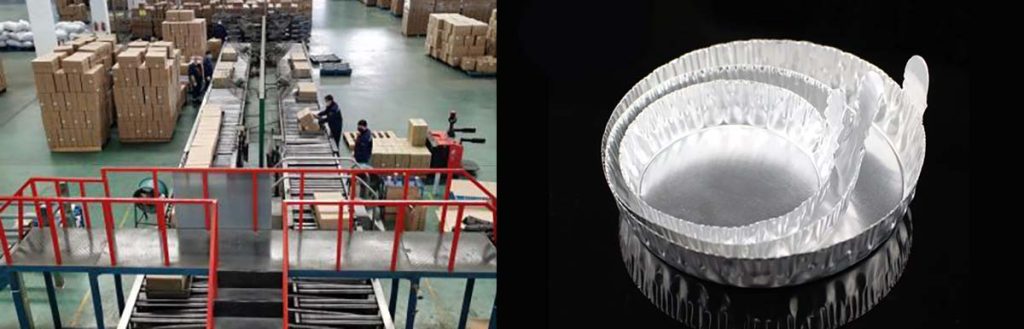
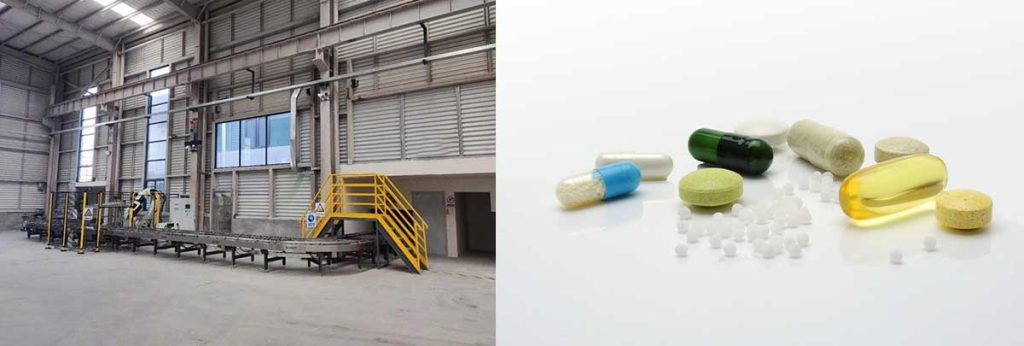
The global market for e-beam irradiation reached nearly USD 0.93 billion in 2024 and is set to double by 2033, with an expected CAGR of 8%. Industries such as medical devices, pharmaceuticals, and packaging rely on irradiation sterilization for effective product sterilization and improved supply chain efficiency. Stakeholders benefit from understanding these trends, as e-beam irradiation reduces oxidative damage and drives innovation in essential sectors.
Key Takeaways
The global market for e-beam irradiation is expected to grow from nearly $0.93 billion in 2024 to over $1.84 billion by 2032, showing a strong annual growth rate of 8%.
Healthcare and food safety are the main drivers of market growth, as e-beam irradiation provides effective sterilization without chemical residues, ensuring safer products.
North America leads the market with 40% share, driven by strict food safety regulations and high consumer awareness, while Asia-Pacific shows the fastest growth due to urbanization and increased pharmaceutical manufacturing.
Emerging markets, especially in Asia and Latin America, present new opportunities for e-beam sterilization services as they expand healthcare and food safety initiatives.
Investing in advanced technologies and forming partnerships with research institutions can help companies capitalize on the growing demand for e-beam irradiation in various industries.
Market Overview
Market Size
The global market size for electron beam irradiation continues to expand rapidly. Recent data shows:
It is expected to grow to USD 1,001 million in 2024.
Projections indicate the market will reach USD 1,842.5 million by 2032.
This growth reflects the increasing adoption of electron beam irradiation across multiple industries. The electron beam irradiation accelerators market plays a central role in this expansion, supporting applications in healthcare, food safety, and advanced materials processing. The global market size demonstrates the rising importance of this technology in modern manufacturing and sterilization processes.
Growth Rate
The market shows strong momentum, with several segments experiencing robust growth. The overall compound annual growth rate (CAGR) for electron beam irradiation from 2024 to 2032 stands at 8.0%. The electron beam irradiation accelerators market is projected to grow at a CAGR of 7.9% during the same period. The e-beam sterilizationsegment expects a CAGR of 7.5%, with the market size anticipated to reach approximately $2.3 billion by 2032, up from $1.2 billion in 2023.
The consistent market growth highlights the expanding role of electron beam irradiation in global supply chains and its ability to meet rising demand for safe, efficient sterilization.
Key Regions
Regional analysis reveals distinct trends in market leadership and growth rates. The north american market holds the largest share, accounting for 40% of the global market in 2023. This dominance results from strict food safety regulations and high consumer awareness. The european market follows, contributing 30% of the global market share, with Germany, France, and the UK as major players due to strong regulatory frameworks.
The asia pacific market stands out for its rapid expansion. Urbanization, a growing middle class, and increased pharmaceutical manufacturing drive this growth. The asia pacific market is expected to achieve the highest growth rate among all regions, with a projected CAGR of 7.2% during the forecast period.
North America: Largest share, robust growth, driven by regulations and awareness.
Europe: Strong presence, significant contributions from Germany, France, and the UK.
Asia Pacific: Fastest-growing region, high potential in pharmaceuticals and food safety.
The electron beam irradiation accelerators market sees significant activity in these regions, with the asia pacific market emerging as a key driver for future market growth.
Region
2023 Market Share
Key Drivers
Growth Rate (CAGR)
North America
40%
Food safety regulations, consumer awareness
Robust
Europe
30%
Regulatory frameworks, advanced manufacturing
Strong
Asia Pacific
Highest growth
Urbanization, pharma, rising incomes
7.2%
Market Segmentation
Electron Beam Irradiation
The electron beam irradiation continues to show strong growth across the global market. Companies in this area provide sterilization and material modification solutions for industries such as healthcare, food, and packaging. The electron beam irradiation benefits from rising demand for safe medical devices and improved food safety standards. Many manufacturers choose electron beam irradiation service because it offers fast processing and does not leave chemical residues. The market for electron beam irradiation service is expected to expand as more sectors recognize its efficiency and reliability.
A comparison of the electron beam irradiation and accelerators market highlights the scale of each segment:
Market Type
2024 Value (USD)
2032 Value (USD)
CAGR (%)
Electron Beam Irradiation Service
N/A
1.2 billion
5.7
The electron beam irradiation service market will likely see continued investment as healthcare and food industries grow worldwide.
Electron Beam Irradiation Accelerators Market
The electron beam irradiation accelerators market supports the expansion of irradiation services by providing electron beam irradiation equipment. This market includes both traditional accelerators and linear accelerators. The electron beam irradiation accelerators market reached $200 million in 2024 and is projected to grow to $264 million by 2032, with a CAGR of 3.8%. Linear accelerators within this market are expected to reach $1.2 billion by 2032, showing a higher growth rate of 5.7%. Companies in the electron beam irradiation accelerators market focus on innovation and reliability to meet the needs of service providers and manufacturers.
Market Type
2024 Value (USD)
2032 Value (USD)
CAGR (%)
Electron Beam Accelerator
200 million
264 million
3.8
Electron Beam Linear Accelerators
N/A
1.2 billion
5.7
The electron beam irradiation accelerators market will remain essential for the development of new electron beam irradiation service offerings.
By Region
Regional segmentation reveals important differences in the electron beam irradiation equipment. North America leads with advanced infrastructure and high consumer spending. Europe emphasizes digital transformation and green energy. Asia-Pacific stands out for its vast population and rapid urbanization, creating opportunities for electron beam irradiation equipment. South America and the Middle East & Africa show potential in sectors like mining, agriculture, and construction.
Region
Key Characteristics
Growth Prospects
North America
High consumer spending, sophisticated infrastructure, rapid tech changes
Major center for expansion in consumer products, healthcare, and technology
Europe
Diverse customer tastes, emphasis on digital transformation
Growth in green energy, technology, and automobile sectors
Growth in technology, construction, and oil and gas industries
Developed regions focus on regulatory compliance and advanced healthcare, while emerging regions experience rapid growth due to expanding healthcare infrastructure and modernization in manufacturing. The electron beam irradiation service and electron beam irradiation accelerators market adapt to these trends, supporting global market expansion.
Key Trends
Demand for Irradiation Sterilization
The demand for irradiation sterilization continues to grow in both healthcare and food industries. Hospitals and clinics face increasing cases of hospital-acquired infections, which require strict sterilization protocols for medical devices. The aging population also drives the need for safer healthcare environments. Advanced sterilization technology improves the effectiveness of these processes, making irradiation sterilization more reliable.
In the food industry, consumer demand for safe and long-lasting products has led to the rising popularity of irradiation sterilization. Food manufacturers use this method to eliminate harmful microorganisms and extend shelf life. The COVID-19 pandemic increased the focus on infection control, further boosting the adoption of irradiation sterilization.
Factor Driving Demand
Description
Hospital-Acquired Infections
The increasing prevalence necessitates stringent sterilization protocols for medical devices.
Geriatric Population
A growing elderly demographic requires enhanced safety measures in healthcare.
Advancements in Sterilization Tech
Innovations in technology improve the effectiveness and efficiency of sterilization methods.
Food Safety Awareness
Rising consumer awareness leads to higher demand for safe food products and longer shelf life.
Regulatory Demands
Stringent regulations enforce the need for effective sterilization in healthcare applications.
COVID-19 Pandemic Impact
Heightened focus on infection control emphasizes the importance of sterilization in medical products.
Technology Advancements
Recent technology advancements have transformed the efficiency and adoption of e-beam irradiation. Electron beam accelerators now process larger volumes, making irradiation sterilization more accessible for industries. Smart technologies, such as IoT, allow real-time monitoring and optimization of treatment processes. Eco-friendly innovations provide non-thermal pasteurization, which reduces environmental impact.
Incorporation of IoT for real-time monitoring and optimization of e-beam treatment processes.
Eco-friendly Innovations
E-beam technology offers a non-thermal pasteurization alternative, reducing environmental impact.
Evolution of Dosimetry Standards
Advancements in dosimetry techniques ensure safety and effectiveness in e-beam treatments.
Increased Public Awareness
Educational campaigns help dispel misconceptions and promote the benefits of e-beam technology.
These emerging trends show that technology continues to drive the market forward, making irradiation sterilization safer and more efficient.
Regulatory and Sustainability
Regulatory policies and sustainability initiatives shape the current market for irradiation sterilization. Agencies such as the FDA and IAEA set strict safety standards, ensuring that products meet public health requirements. The focus on Environmental, Social, and Governance (ESG) criteria encourages companies to adopt sustainable practices. E-beam irradiation stands out for its non-thermal and chemical-free process, which helps reduce greenhouse gas emissions compared to traditional methods.
Influence compliance costs and market entry barriers
Product Sterilization Standards
Affect profitability and overall market dynamics
These trends highlight the importance of compliance and sustainability in the market. Companies that align with these standards gain a competitive advantage and support the global shift toward responsible production.
Growth Drivers
Healthcare and Medical Devices
Healthcare and medical devices represent the most significant driver for electron beam irradiation service. Hospitals and clinics require irradiation sterilization to prevent healthcare-associated infections. The medical device industry accounts for over 40% of global demand for electron beam irradiation service. By 2024, the healthcare sector will contribute more than 65% of total market revenue. Regulatory agencies enforce strict standards for healthcare sterilization, which increases the adoption of irradiation sterilization across medical device manufacturers.
Medical device companies rely on electron beam irradiation service to ensure product safety.
Pharmaceutical firms use irradiation sterilization to meet regulatory requirements and protect patient health.
The sterilization services market continues to expand as medical device production rises.
The demand for electron beam sterilization service in medical applications grows due to the need for chemical-free sterilization. Pharmaceutical companies prefer irradiation sterilization because it offers efficient and scalable solutions for biopharmaceutical products. The sterilization services market benefits from advancements in electron beam irradiation service technology, which improves processing speed and reliability.
Medical device manufacturers choose electron beam sterilization service for its effectiveness and compliance with global standards.
Healthcare facilities also invest in electron beam sterilization service to maintain high levels of safety. The sterilization services market supports hospitals and clinics by providing rapid and reliable irradiation sterilization. As the medical sector expands, the need for electron beam sterilization service will continue to drive market growth.
Food Safety
Food safety is another major growth driver for electron beam irradiation service. The global food irradiation market is projected to grow from USD 350.5 million in 2025 to USD 604.5 million by 2035, with a CAGR of 5.6%. Consumers demand safe and hygienic food, which increases the use of irradiation sterilization in food preservation applications. Electron beam irradiation service helps food producers eliminate harmful microorganisms and extend shelf life.
Food irradiation reduces contamination and spoilage, ensuring a consistent supply of safe products.
The sterilization services market supports the meat industry, which contributed over 160,000 metric tons of irradiated products in 2024.
Asia-Pacific leads in growth, with over 285,000 metric tons of food treated through irradiation sterilization.
Producers use electron beam sterilization service to sterilize spices, herbs, and other dry foods. The technology offers efficiency, safety, and lower operational costs compared to traditional methods. The demand for irradiated spices and dried herbs reached 92,000 metric tons in 2024, driven by regulatory compliance and international trade.
The sterilization services market continues to grow as food manufacturers seek reliable solutions for food preservation applications. Electron beam sterilization service extends shelf life and reduces food waste, supporting global food security. The market for irradiation sterilization in food safety will expand as consumer awareness increases.
electron beam sterilization service provides a chemical-free method for food preservation, making it a preferred choice for producers worldwide.
Emerging Markets
Emerging markets play a vital role in the future growth of electron beam sterilization service. The Asia-Pacific region leads in adoption due to industrialization, healthcare facility expansion, and strong manufacturing sectors in electronics and food. Population growth creates demand for food sterilization, while government initiatives and packaged food consumption drive market growth.
Latin America, especially Brazil and Mexico, shows potential for electron beam sterilization service. The region experiences rising demand for safe food processing and a developing healthcare sector. Regulatory changes and investments in medical packaging influence the sterilization services market in these countries.
Asia-Pacific drives growth with increased use of electron beam sterilization service in healthcare and food industries.
Latin America expands the sterilization services market through investments in medical and food packaging.
Africa and the Middle East show emerging opportunities for electron beam sterilization service as healthcare infrastructure improves.
The sterilization services market adapts to local needs, supporting modernization in manufacturing and healthcare. electron beam sterilization service helps emerging markets meet international standards for irradiation sterilization. As these regions invest in healthcare and food safety, the market for electron beam irradiation service will continue to grow.
Emerging markets offer new opportunities for electron beam irradiation service providers, fueling global expansion and innovation.
Competitive Landscape
Leading Companies
Several companies lead the electron beam irradiation accelerators market. These organizations drive growth through advanced technology and global reach. Key players include:
IBA (India)
Wasik (U.S.)
Jiangsu Dasheng Electron Accelerator (China)
IOTRON (Canada)
Mevex
NHV Corporation
Pak Electron Beam Irradiation (Pvt.) Limited
ITHPP
Each company brings unique strengths to the electron beam irradiation accelerators market. IBA and Wasik focus on high-power e-beam technology for industrial and medical applications. Jiangsu Dasheng Electron Accelerator and IOTRON expand their presence in Asia and North America. NHV Corporation and Mevex invest in research and development to improve accelerator performance.
Strategic Moves
Companies in the electron beam irradiation accelerators market pursue strategic moves to strengthen their positions. Many invest in mergers and acquisitions to expand their service portfolios. For example, leading firms acquire smaller technology providers to access new markets and enhance their technical capabilities. Partnerships with healthcare and food processing companies help these organizations deliver tailored solutions. Some companies also form alliances with research institutions to advance high-power e-beam technology.
Strategic collaborations and acquisitions allow companies to respond quickly to changing industry needs and regulatory requirements.
Innovation
Innovation shapes the future of the electron beam irradiation accelerators market. Companies focus on developing faster, more energy-efficient accelerators. The electron beam linear accelerator segment is projected to grow from USD 768.50 million in 2024 to USD 1,068.86 million by 2032, with a CAGR of 4.21%. This growth reflects ongoing investment in new designs and digital controls. Firms introduce smart monitoring systems and automation to improve reliability and reduce operational costs. These advancements help meet the rising demand for safe and sustainable sterilization solutions.
Future Outlook
Market Forecasts
The electron beam irradiation market is expected to experience strong growth through 2032. Industry analysts project the market size will more than double, driven by several key factors. The following table summarizes the anticipated market expansion:
Rising demand for non-toxic, rapid, and residue-free sterilization continues to influence market forecasts. The use of single-use medical devices is increasing, and regulatory agencies emphasize infection control and product safety. The pharmaceutical and biotech industries are expanding, which further supports future market penetration.
New Opportunities
New opportunities are emerging across healthcare, food safety, and industrial sectors. The market is projected to grow significantly in healthcare and food applications. Over 2.7 billion packaged food items received e-beam treatment in 2024. Industrial demand remains strong, with 46% of polymer treatments requiring irradiation for enhancement. By 2032, nearly 40% of irradiation facilities are expected to adopt hybrid models that serve multiple sectors.
The E-Beam Food Irradiation market may reach USD 700 million by 2030.
Applications in plant-based proteins and smart packaging are expanding.
Adoption in high-value export produce and integration with cold chain logistics will enhance growth.
Technological breakthroughs include e-beam machine, artificial intelligence, and robotics, which focus on sustainability and reduced energy consumption.
Strategic Recommendations
Manufacturers and investors should consider several strategies to capitalize on future growth. The e-beam food irradiation market is projected to grow from USD 1,104.2 million in 2023 to USD 2,483.4 million by 2033, with a CAGR of 6.9%. Rising consumer demand for safe food, technological advancements, and regulatory support drive this expansion.
Companies should invest in portable electron beam accelerators and integrate preservation technologies.
Addressing consumer misperceptions and managing high initial costs will improve investment decisions.
Firms can benefit from partnerships with research institutions and food producers to expand market reach.
A well-defined strategy will help stakeholders navigate challenges and seize new opportunities in the evolving e-beam irradiation sector.
Conclusion
Manufacturers see rising demand for non-chemical sterilization and advanced technologies, especially in regions like North America, Europe, and Asia-Pacific.
Key Implications
Description
Demand for Non-Chemical Sterilization
Preference grows in food safety and healthcare sectors.
Regional Growth
North America and Europe lead, Asia-Pacific expands rapidly.
Adoption of Advanced Technologies
Automated systems boost operational efficiency.
Future Opportunities
Sustainability concerns drive new demand.
Investors and end-users respond to market changes by focusing on sustainability, leveraging research, and adapting to regulatory standards.
Speeds certification for medical and food applications.
Develop clear tariff and export playbooks
Reduces cost shocks, supports local assembly.
E-beam irradiation will continue to transform sterilization, offering safer, faster, and more sustainable solutions. Stakeholders who act on these trends will shape the future of global health and food safety.
FAQ
What Is E-Beam Irradiation Used For?
E-beam irradiation sterilizes medical devices, pharmaceuticals, and food products. It also modifies materials in industries like packaging and electronics.
If interested in our EBM machine, Ebeam services, Ebeam products, or Additive manufacturing, please fill out below form or send email to info@ebeammachine.com, or chat with our team via WhatsAppor WeChat.