


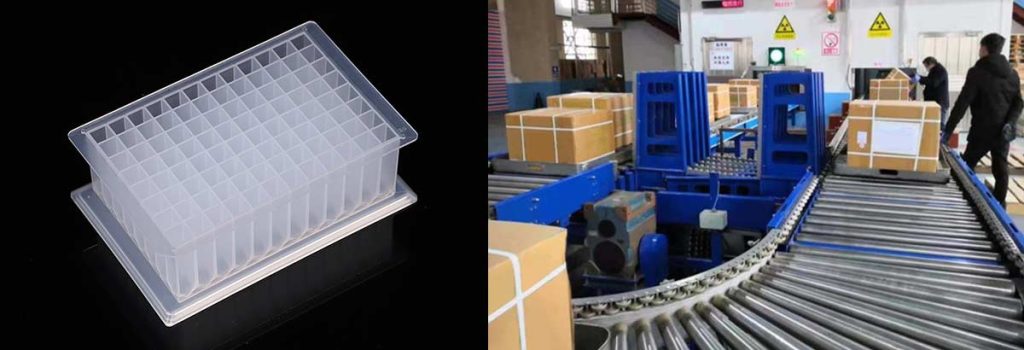
Electricity often accounts for 30% to 50% of total operating expenses in e-beam sterilization. High electricity consumption can significantly affect the overall cost-effectiveness of the process. Energy efficiency and higher throughput help reduce these costs. Facility managers benefit from understanding how electricity costs contribute to operating expenses, as this knowledge supports better decision-making and efficient resource management.
Key Takeaways
- Electricity costs can account for 30% to 50% of total operating expenses in e-beam sterilization. Understanding this helps managers make informed decisions.
- Investing in energy-efficient equipment can significantly lower electricity use and operational costs. New machines often feature advanced technologies that save energy.
- Optimizing process parameters, such as conveyor speed and dose rate, can enhance throughput and reduce electricity costs per sterilized unit.
- Regular monitoring of energy consumption allows facilities to identify inefficiencies and make necessary adjustments for better cost control.
- Scheduling operations during off-peak energy hours can help facilities save on electricity costs while maintaining effective sterilization.
Operating Expenses in E-Beam Sterilization
Main Cost Components
E-beam sterilization faces several types of operating costs. These costs include labor, maintenance, consumables, regulatory compliance, and waste management. Facility managers also consider insurance and administrative expenses. Each component plays a role in the total cost structure.
- Labor: Staff operate and monitor the equipment.
- Maintenance: Regular servicing keeps machines running efficiently.
- Consumables: Facilities use items such as lubricants and protective gear.
- Regulatory Compliance: Meeting safety and environmental standards requires resources.
- Waste Management: Proper disposal of materials ensures safety and compliance.
Facility managers track these costs to maintain profitability. They review expenses regularly to identify areas for improvement.
Electricity as a Key Expense
Electricity stands out as a major contributor to operating costs in e-beam sterilization. The process relies on high-powered electron accelerators, which consume large amounts of energy. Facilities often see electricity costs make up a significant portion of their total expenses.
Note: High electricity usage can increase overall operating costs and affect the cost of each sterilization cycle.
Facility managers monitor energy consumption closely. They seek ways to reduce electricity use without compromising the effectiveness of sterilization. Upgrading equipment and optimizing processes can lower energy demand. Efficient management of electricity helps facilities remain competitive and control costs.
Electricity Cost in E-Beam Sterilization
Share of Electricity in Total Costs
Electricity plays a crucial role in the operation of electron beam irradiation equipment. However, recent industry data shows that the share of electricity costs in e-beam sterilization is lower than many expect. The following points highlight the comparison:
- The share of electricity costs in e-beam sterilization about 2.6% of total operating expenses.
- Flue gas treatment facilities, by contrast, spend around 16.3% of their total costs on electricity.
- The lower percentage in sterilization comes from higher investment costs and lower electrical energy consumption in radiation sterilization.
Facility managers in medical device sterilization often focus on electricity costs, but the data shows that other expenses, such as capital investment and maintenance, make up a larger portion of the budget. Understanding this breakdown helps managers prioritize improvements and investments.
Impact of Energy Rates and Throughput
Energy rates and throughput both influence the total cost of sterilization. Facilities that use electron beam irradiation equipment benefit from the energy efficiency of e-beam systems. These systems use less electricity than x-ray systems, which helps keep costs down.
- Smaller e-beam units use about $4 worth of electricity per hour.
- Larger systems can cost between $15 and $20 per hour to operate.
- Rapid processing speeds in e-beam operations lower the cost per sterilized unit, making these systems ideal for high-volume processing.
When energy rates rise, the cost of running sterilization equipment increases. However, facilities that process more items per hour can offset higher energy prices by spreading the cost over a larger number of products. This approach improves overall cost-effectiveness and supports efficient operations.
Tip: Facilities can reduce per-unit costs by maximizing throughput and scheduling operations during off-peak energy hours.
Role of Capital Investment and Efficiency
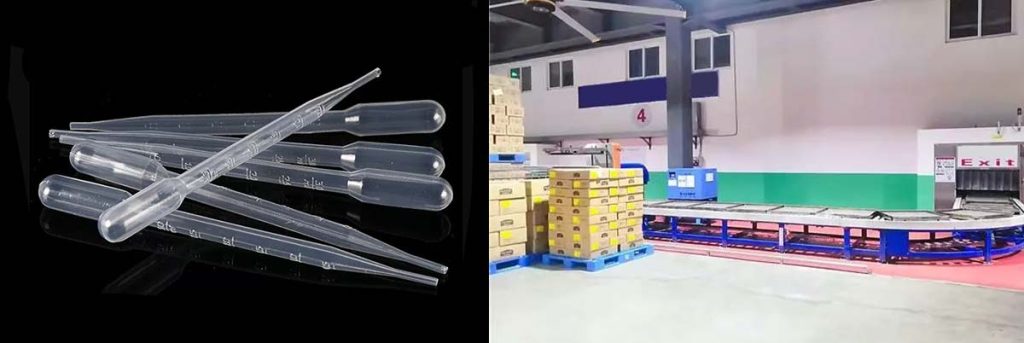
Capital investment in modern electron beam irradiation equipment has a direct impact on electricity costs. Newer machines often feature advanced energy-saving technologies. These upgrades help reduce the amount of electricity needed for each sterilization cycle.
Efficient equipment not only lowers energy use but also supports consistent processing. Facilities that invest in high-quality machines see long-term savings in both electricity and maintenance costs. Over time, these savings can outweigh the initial investment.
Facility managers should consider both the upfront cost and the long-term efficiency of new equipment. By choosing energy-efficient models, they can control electricity expenses and improve the overall performance of their sterilization operations.
Factors Affecting Electricity Use in Sterilization
Machine Efficiency
Machine efficiency plays a major role in determining electricity use during sterilization. Modern equipment often features advanced designs that reduce energy consumption. Facilities that invest in high-efficiency machines can process more items with less power. Technology upgrades, such as improved electron accelerators, help lower the cost of each sterilization cycle. Regular maintenance also keeps machines running at peak efficiency. When equipment operates smoothly, it uses less electricity and reduces overall operating costs.
Process Parameters
Process parameters, including dose rate, conveyor speed, and product density, directly influence energy consumption in sterilization. Operators must set the correct dose to ensure effective sterilization without wasting energy. Faster conveyor speeds can increase throughput, spreading the same amount of electricity over more products. Adjusting product density on the conveyor also affects how much energy the system uses. Careful control of these parameters helps facilities balance cost and processing efficiency.
Operational Practices
Operational practices have a strong impact on electricity use in e-beam sterilization. Staff who follow best practices help maintain system efficiency and reduce unnecessary energy consumption. Effective maintenance routines support lower electricity use. Some helpful practices include:
- Keeping a maintenance log to track service frequency and identify patterns.
- Avoiding overuse and overheating, which extends the lifespan of the e-beam gun and lowers energy consumption.
- Ensuring proper calibration to maintain system efficiency and prevent recurring issues.
Facilities that focus on these practices see improvements in both cost control and sterilization performance. By combining efficient machines, optimized process parameters, and strong operational habits, managers can achieve reliable sterilization while minimizing energy use.
Reducing Electricity Costs in E-Beam Sterilization
Energy-Efficient Upgrades
Facilities can achieve significant cost savings by investing in energy-efficient upgrades. E-beam sterilization already offers advantages over other methods. These upgrades provide several benefits:
- Lower operating costs because the process does not require consumable chemicals.
- Higher energy efficiency compared to x-ray systems, which use more power for the same level of sterilization.
- Rapid processing, which increases throughput and reduces the cost per unit.
Energy-efficient upgrades also lead to shorter processing times and lower energy consumption. These improvements help facilities decrease operational expenses and electricity costs.
| Technology | Processing Costs |
|---|---|
| E-Beam | Significantly lower due to reduced power consumption and faster processing times |
| X-Ray | Higher due to lower energy efficiency |
Process Optimization
Process optimization plays a key role in reducing electricity use during sterilization. Facilities can adjust conveyor speeds, dose rates, and product density to maximize throughput. When operators set the right parameters, they ensure effective sterilization while using less energy. Higher throughput spreads the same amount of electricity over more products, which lowers the cost per sterilized item. Facilities that focus on process optimization see improvements in both efficiency and cost control.
Monitoring and Improvement
Continuous monitoring helps facilities identify areas for improvement. Staff can track energy consumption and processing data to spot trends or inefficiencies. Regular reviews allow managers to make informed decisions about equipment upgrades or process changes. By setting clear goals and measuring progress, facilities maintain high energy efficiency and keep electricity costs low. This approach supports long-term cost savings and reliable sterilization performance.
Conclusion
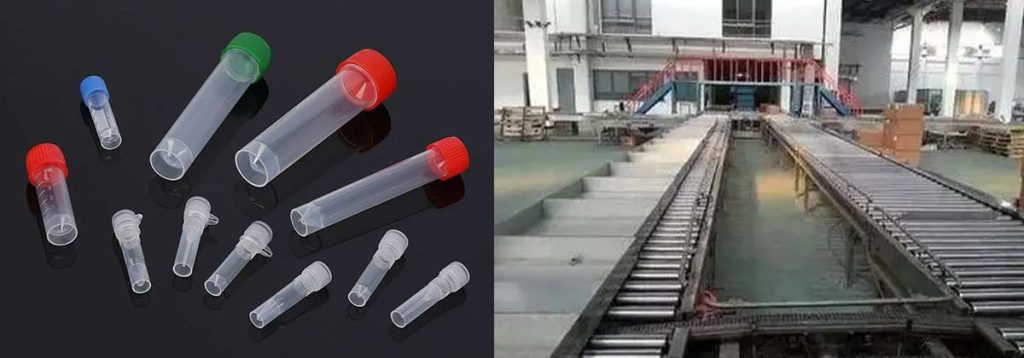
Electricity costs play a significant role in the operating expenses of e-beam sterilization. Facilities that focus on energy efficiency can lower expenses and improve sustainability. The E-Beam sterilizer’s design supports nearly uninterrupted product flow, which boosts energy efficiency and reduces consumption. Facility managers should monitor energy use, invest in efficient equipment, and optimize processes. These steps help control costs and support reliable, cost-effective sterilization.
FAQ
How Much Electricity Does an E-Beam Sterilizer Use?
Electricity use depends on machine size and throughput. Small units may use about $4 per hour. Large systems can reach $20 per hour. Facilities monitor usage to manage costs.
Why Is Electricity a Major Expense in E-Beam Sterilization?
E-beam sterilizers use high-powered electron accelerators. These machines require significant energy to operate. Electricity costs often make up a large part of total operating expenses.
Can Facilities Reduce Electricity Costs without New Equipment?
Yes. Facilities can optimize process parameters, schedule operations during off-peak hours, and maintain equipment regularly. These steps help lower electricity use and control expenses.
What Factors Affect Electricity Consumption in E-Beam Sterilization?
Machine efficiency, process settings, and operational practices all influence electricity use. Regular maintenance and staff training also play important roles.
Is E-Beam Sterilization More Energy Efficient Than Other Methods?
| Method | Energy Efficiency |
|---|---|
| E-Beam | High |
| X-Ray | Moderate |
| Gamma | Lower |
E-beam sterilization usually offers higher energy efficiency compared to x-ray and gamma methods.