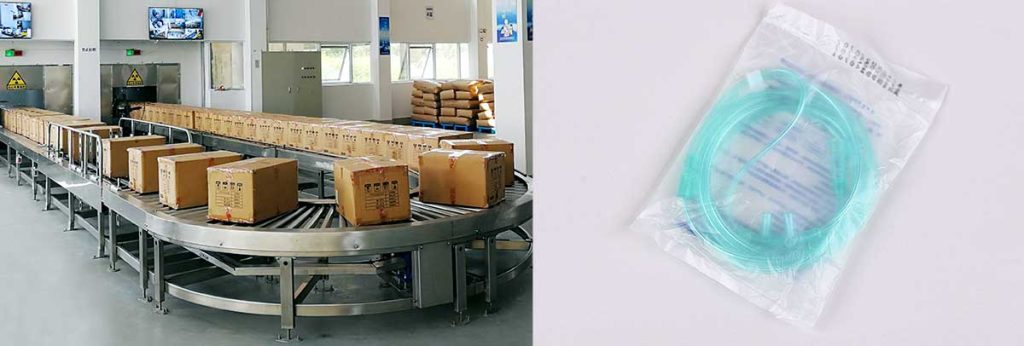
E-beam vs. autoclave methods show clear differences in how they treat various materials during the sterilization process. Many medical facilities now choose e-beam sterilization because it offers fast turnaround, operates at room temperature, and leaves no chemical residue. The US medical device sterilization market has seen increased use of e-beam, but its limited penetration suits it best for smaller or less dense medical items. In contrast, autoclave sterilization uses high temperatures and can leave some residue, but it remains effective for heat-resistant materials. The table below highlights key differences:
Feature
E-beam Sterilization
Autoclave Sterilization
Speed
Faster and more precise
Varies based on type (gravity vs. vacuum)
Temperature
Room temperature
121°C (gravity) or 132°C (vacuum)
Residue
No chemical residues
May leave residues depending on method
Choosing the right sterilization method ensures product safety and efficiency in every process, especially for medical device sterilization.
Key Takeaways
E-beam sterilization is ideal for heat-sensitive materials and electronics, as it operates at room temperature and leaves no chemical residue.
Autoclave sterilization works best for metals and glass, using high temperatures and moisture to eliminate bacteria and viruses effectively.
Choose e-beam for rapid processing in high-volume environments, while autoclave is suitable for larger batch sizes requiring thorough sterilization.
Always assess material compatibility with the chosen sterilization method to ensure safety and maintain product integrity.
Consider regulatory standards and operational costs when selecting between e-beam and autoclave sterilization methods.
E-Beam Material Compatibility
Suitable Materials
E-beam sterilization uses electron beam irradiation equipment to deliver high-energy electrons that disrupt microorganisms at the molecular level. This process operates at room temperature and leaves no chemical residue, making it ideal for sensitive products. Many plastics used in medical devices show excellent compatibility with this method. Materials such as Cyclo Olefin Copolymer (COC), Cyclo Olefin Polymer (COP), Ethylene Propylene Diene Monomer (EPDM), and Polycarbonate (PC) maintain their properties after exposure to electron beam sterilization. The following table summarizes the compatibility of common plastics:
Electronics, especially those with impedance sensors, can also withstand repeated low-energy electron beam treatment without functional loss. This makes e-beam a preferred choice for sterilizing heat-sensitive items and complex assemblies.
Incompatible Materials
Some materials do not perform well under radiation sterilization. For example, Polytetrafluoroethylene (PTFE) can experience a significant reduction in yield stress, especially at higher doses or in the presence of oxygen. General Purpose Polystyrene (GPPS) may discolor, and Acrylonitrile Butadiene Styrene (ABS) can lose impact strength, though some properties recover over time.
Material
Effect of E-beam Sterilization
Notes
PTFE
35% to 90% reduction in yield stress
Dose-dependent effect observed
GPPS
Discoloration observed
Similar effects to gamma sterilization
ABS
Decrease in notched Izod impact
Returned to original color after time
E-beam sterilization also faces limitations with certain biological contaminants. Some endospores, such as those from Bacillus species, show resistance due to their impermeable membranes and low water content. Even at high doses, a small number of spores may survive.
Evidence Description
Findings
Resistance Mechanism
Bacillus spores exhibit impermeability, low water content, high levels of pyridine-2,6-dicarboxylic acid, and outer membrane thickness, contributing to their resistance against e-beam sterilization.
Viability Reduction
A four-log reduction in viable spores was noted at 5.3 kGy, while an eight-log reduction occurred at 10.4 kGy, indicating the effectiveness of e-beam radiation but also the resilience of certain endospores.
Note: Always evaluate both the material and the type of contaminant when selecting a sterilization method for medical devices.
Autoclave Sterilization Materials
Suitable Materials
Autoclave sterilization uses moist heat sterilization to eliminate microorganisms from medical instruments and supplies. This method works best for materials that can withstand high temperatures and pressure. Metals such as stainless steel and aluminum remain stable during autoclave cycles. These metals do not corrode or lose strength, making them ideal for surgical tools and trays.
Glassware also shows excellent compatibility with autoclave steam sterilization. Healthcare settings frequently sterilize Type I, Type II, and Type III glasses. Type I, or borosilicate glass, resists thermal shock and suits a wide range of preparations. Type II glass, made from soda-lime-silica, offers high hydrolytic resistance and works well for acidic and neutral solutions. Type III glass, also soda-lime-silica, is best for non-aqueous preparations.
Stainless steel, aluminum, and borosilicate glass remain the most reliable choices for repeated autoclave use in medical environments.
Incompatible Materials
Not all materials tolerate autoclave conditions. Many plastics soften or deform at temperatures below standard autoclave settings. Polyethylene, for example, begins to soften at 115°C, which is lower than the typical autoclave temperature. PLA, ABS, TPU, and TPE also show deformation or damage after autoclave exposure. Hard thermoplastics like these should use non-heat-based sterilization methods to maintain their properties.
Material Type
Effect of Autoclave Sterilization
Polyethylene
Softens at 115°C, below autoclave temperature
PLA
Deforms during autoclave cycles
ABS
Deformation observed
TPU
Not recommended due to potential damage
TPE
Deformation risk; non-heat methods preferred
Electronics also face risks during autoclave sterilization. High heat and moisture can damage sensitive circuits and sensors. Some materials may show color changes, such as yellowing, after several cycles. While this does not always affect function, repeated exposure can reduce mechanical durability in certain composites. However, medical-grade PPSU maintains its strength and impact resistance even after more than 50 autoclave cycles, showing excellent long-term stability.
Always match the sterilization method to the material’s heat and moisture tolerance to ensure safety and performance.
E-Beam vs. Autoclave Scenarios
When to Use E-Beam?
E-beam sterilization offers rapid and efficient processing, making it suitable for high-volume production environments. Facilities often select electron beam sterilization for medical device sterilization when handling heat-sensitive polymers, electronics, or instruments with complex geometries. The process delivers sterilization doses in fractions of a second, which minimizes oxidation and preserves material properties. E-beam vs. autoclave comparisons show that e-beam excels in scenarios where speed and product sensitivity are critical.
Manufacturers must consider packaging requirements before choosing e-beam. The areal density of medical packaging should remain under 8.5 grams per square centimeter to ensure effective penetration. Product dimensions and packaging density influence the outcome of the sterilization process. E-beam sterilization avoid thermal stresses and toxic residues, which benefits sensitive devices and reduces contamination risks.
Sensitive to product dimensions and packaging density
Medical device manufacturers often integrate e-beam sterilization into their production lines. The process supports fast turnaround and aligns with the speed of packaging lines. If the sterilization cycle lasts two hours, the chamber must accommodate two hours’ worth of product. E-beam sterilization is particularly advantageous for batch sizes that require quick throughput.
E-beam sterilization effectively sterilizes components while enhancing mechanical properties.
The process is rapid, delivering sterilization doses in fractions of a second.
It is ideal for heat-sensitive polymers and complex geometries.
Regulatory standards for e-beam sterilization include ANSI/AAMI/ISO 11137, EN 552, and region-specific guidelines such as AAMI ST 31 and BS EN 552. Licensing requirements are issued through state agencies, and material compatibility testing is necessary to ensure products withstand radiation sterilization procedures.
Regulatory Consideration
Details
Compliance Standards
ANSI/AAMI/ISO 11137 and EN 552
Licensing Requirements
Issued through state agencies
Material Compatibility Testing
Required for product safety
When to Use Autoclave?
Autoclave sterilization remains the preferred choice for instruments, metals, and glassware that tolerate high heat and moisture. The sterilization process uses steam at temperatures between 121°C and 134°C and pressures from 15 to 30 psi. Autoclave sterilization methods eliminate bacteria and viruses from medical devices and supplies, making them reliable for routine hospital use.
Facilities select autoclave sterilization when packaging must resist heat and moisture. Seals must not weaken under pressure, and condensation-related contamination must be prevented. The loading capacity of the autoclave determines how many items can be sterilized at once. Top-loading designs allow better stacking of sterilization baskets, increasing productivity.
Sterilization Method
Key Packaging Requirements
Sensitivity Factors
Autoclave
High heat and moisture resistance; prevent condensation
Requires materials that maintain integrity under pressure
Factor
Description
Loading Capacity
The autoclave’s size determines batch throughput. Top-loading designs improve stacking and efficiency.
Modern autoclaves require electricity and water. Professional installation and ongoing maintenance are essential.
Autoclave sterilization procedures suit batch sizes that do not require rapid turnaround. Longer processing times may not be ideal for certain product densities. The sterilization cycle must match the speed of the packaging line to maintain efficiency.
It is optimal for heat-resistant materials and large batch sizes.
The process is effective for eliminating bacteria and viruses from medical instruments.
Regulatory standards for autoclave sterilization include FDA regulations under CFR Title 21, European Union MDR and IVDR, and ISO 17665 for moist heat sterilization. These standards ensure the safety and effectiveness of sterilization techniques in the medical device industry.
“ISO 17665: This standard specifies requirements for moist heat sterilization processes for medical devices.”
Facilities must evaluate both regulatory requirements and cost considerations when choosing between e-beam vs. autoclave sterilization. E-beam offers lower regulatory barriers and faster processing, while autoclave provides robust sterilization for heat-resistant materials and larger batch sizes.
E-Beam vs. Autoclave Comparison
Material Compatibility Table
The following table provides a quick reference for material compatibility in the e-beam vs. autoclave debate. This summary helps users select the right sterilization process for their needs.
Material Type
E-Beam Compatibility
Autoclave Compatibility
Most Plastics
Good (COC, COP, PC, HDPE, etc.)
Poor to Fair (risk of deformation)
Electronics
Good (low-energy, no heat)
Poor (heat/moisture damage)
Metals (Stainless Steel, Aluminum)
Good
Excellent
Glass (Borosilicate, Soda-lime)
Good
Excellent
Heat-Sensitive Items
Excellent
Poor
Medical Packaging
Good (if low density)
Good (if heat/moisture resistant)
Tip: Always check the specific material grade before choosing a sterilization method.
Best-Use Scenarios Table
This table highlights the best-use scenarios for e-beam vs. autoclave sterilization. It considers speed, sensitivity, batch size, and environmental impact.
The process uses only electricity and high-energy electrons.
It generates no hazardous emissions or specialty waste streams.
Short processing cycles make it energy-efficient and avoid the need for heated chambers or chemical gases.
The e-beam vs. autoclave comparison shows that each sterilization process has unique strengths. E-beam works best for sensitive products and quick turnaround. Autoclave excels with heat-resistant materials and large batches. Medical facilities should match the method to the product and packaging requirements.
Conclusion
E-beam and autoclave sterilization methods differ in material compatibility and ideal scenarios. E-beam suits heat-sensitive plastics and electronics, while autoclave works best for metals, glass, and surgical instruments. Medical device sterilization requires careful selection of the sterilization process to protect medical instruments and eliminate bacteria. Surgical instruments benefit from autoclave cycles, but complex devices may need e-beam. When choosing a sterilization process, facilities should consider:
Device compatibility with the method
Complexity and structure of medical instruments
Patient safety and compliance standards
Operational costs
Environmental health impact
Selecting the right method ensures safety and effectiveness for every medical application.
FAQ
What Is the Main Difference Between E-Beam and Autoclave Sterilization?
E-beam uses high-energy electronsat room temperature. Autoclave applies steam under pressure at high temperatures. E-beam suits heat-sensitive items. Autoclave works best for metals and glass.
Can E-Beam Sterilization Damage Electronics?
E-beam sterilization does not use heat, so electronics usually remain safe. Facilities often choosee-beam for sensors and circuit boards. Always test devices before large-scale processing.
Which Materials Should Avoid Autoclave Sterilization?
Plastics like polyethylene, PLA, and ABS can deform or melt in autoclave cycles. Electronics may fail due to heat and moisture. Metal and glass items show the best compatibility.
How Fast Is E-Beam Sterilization Compared to Autoclave?
E-beam sterilization completes in seconds or minutes. Autoclave cycles often last 30 to 90 minutes. E-beam offers rapid turnaround for high-volume production.
Are Both Methods Approved for Medical Device Sterilization?
Regulatory agencies approve both methods for medical device sterilization. Facilities must follow standards like ISO 11137 fore-beam and ISO 17665 for autoclave. Always check local regulations.
If interested in our EBM machine, Ebeam services, Ebeam products, or Additive manufacturing, please fill out below form or send email to info@ebeammachine.com, or chat with our team via WhatsAppor WeChat.