


Radiation used to sterilize medical equipment plays a crucial role in ensuring effective sterilization and maintaining safety for patients. In developed countries, about half of all disposable devices undergo radiation sterilization, including gamma rays, electron beams, and x-rays. Precise control of the dose guarantees both effective sterilization and product safety and integrity, as studies confirm that improper dose levels can harm device materials. Uniform dose distribution further supports effective sterilization by protecting the integrity of sensitive items. Medical sterilization relies on this balance to optimize both safety and integrity.
Key Takeaways
- Precise dose control ensures medical equipment is sterilized effectively without damaging the product, protecting patient safety and device quality.
- Gamma rays, electron beams, and x-rays each offer unique benefits for sterilization; choosing the right method depends on product type, penetration needs, and processing speed.
- Uniform dose distribution is vital; careful dose mapping and smart product arrangement prevent under- or over-sterilization and protect material integrity.
- Accurate dosimetry and real-time monitoring help verify and maintain correct radiation doses, ensuring consistent sterilization and compliance with standards.
- Following international standards like ISO 11137 and regular equipment calibration supports reliable sterilization processes and builds trust in healthcare safety.
Dose Control Basics
Definition and Importance
Dose control forms the foundation of medical sterilization. It refers to the precise management of the amount of radiation delivered to medical equipment during sterilization procedures. This process ensures that every item receives enough energy to destroy harmful microorganisms without damaging the product itself. Uniformity in dose distribution remains essential for effective sterilization. When the dose varies across a product, some areas may not reach the required level for microbial inactivation. Other areas might receive too much radiation, risking material degradation.
Uniformity in dose delivery protects both patient safety and device performance. Medical sterilization procedures rely on this principle to guarantee that all surfaces and internal spaces of devices receive the correct dose. Uniformity also supports regulatory compliance, as authorities require proof that the entire product meets sterilization requirements. Dosimetry plays a key role in measuring and verifying the absorbed dose, helping manufacturers maintain control over the process.
Uniformity in dose distribution becomes especially important for complex or densely packed products. Inconsistent dose delivery can lead to ineffective sterilization or compromised device integrity. By focusing on uniformity, manufacturers achieve both effective sterilization and product safety. This approach also supports the development of new sterilization procedures for advanced medical devices.
Sterilization Dose Standards
International standards guide the development, validation, and routine control of sterilization procedures. These standards ensure that medical sterilization achieves both safety and effectiveness. The table below summarizes key standards for radiation and other sterilization methods:
| Standard Number | Sterilization Method | Scope / Purpose |
|---|---|---|
| ANSI/AAMI/ISO 11137-1:2006 (R2015) and A1:2013 | Radiation | Requirements for development, validation, and routine control of sterilization process |
| ANSI/AAMI/ISO 11137-2:2013 (R2019) | Radiation | Establishing the sterilization dose |
| ANSI/AAMI/ISO 11137-3:2017 | Radiation | Guidance on dosimetric aspects of development, validation, and routine control |
| ANSI/AAMI/ISO 17665-1:2006 (R2013) | Moist heat | Requirements for development, validation, and routine control of sterilization process |
| ANSI/AAMI/ISO 11135:2014 | Ethylene oxide | Requirements for development, validation, and routine control of sterilization process |
| ANSI/AAMI/ISO 20857:2010 (R2015) | Dry heat | Requirements for development, validation, and routine control of sterilization process |
| ANSI/AAMI/ISO 11737-1:2018 | Microbiological methods | Determination of microorganism population on products |
| ANSI/AAMI/ISO 11737-2:2019 | Microbiological methods | Tests of sterility for definition, validation, and maintenance of sterilization process |
These standards, recognized worldwide, set requirements for dose mapping, dosimetry with traceable calibration, and validation steps. They help manufacturers select and document the correct sterilization dose for each product. Uniformity in dose delivery remains a central requirement in these standards.
Note: Uniformity in dose mapping involves measuring absorbed dose at various depths and locations within a product. This process characterizes dose distribution and ensures reproducibility during routine sterilization procedures.
Manufacturers follow a series of steps to comply with these standards:
- They document the sterilization procedures according to ISO 11137 and related standards.
- They use dosimetry systems with known accuracy and calibration traceable to national standards.
- They perform dose mapping as part of validation, including Installation Qualification and Performance Qualification.
- They measure absorbed dose at multiple points to confirm uniformity.
- They select a minimum sterilization dose that exceeds the level needed for effective sterilization, while ensuring the maximum dose does not damage the material.
- They document the chosen dose and validation results.
Uniformity in dose distribution supports both effective sterilization and product safety. These standards require manufacturers to demonstrate that every product batch meets the same high level of control. Medical sterilization procedures depend on this rigorous approach to protect patients and maintain trust in healthcare systems.
Radiation Used to Sterilize Medical Equipment
Gamma Rays
Gamma rays sterilization stands as one of the most established methods in medical sterilization. Gamma irradiation uses high-energy photons, usually from cobalt-60, to penetrate deep into products. This process breaks covalent bonds in microbial DNA, causing ionization and free radical formation. These changes prevent microorganisms from reproducing. Gamma irradiation does not leave residual radioactivity in the product. The industry standard dose for gamma rays sterilization is 25 kGy, which provides a sterility assurance level of 10⁻⁶. Lower doses, such as 15 kGy, may be used for plastics with lower tolerance. Gamma irradiation delivers doses at about 10 kGy per hour, so a 25 kGy dose requires 2.5 to 3 hours. This method works well for dense or thick products due to its high penetration power. Gamma rays sterilization supports a wide range of materials, but careful dose control is necessary to avoid material degradation.
Electron Beam Sterilization
Electron beam sterilization uses high-energy electrons to achieve rapid and effective radiation sterilization. The electrons disrupt microbial DNA and generate free radicals, leading to cell death. Electron beam sterilization delivers doses in seconds, with dose rates up to 20 MGy/hr. The typical dose range matches gamma irradiation, from 10 to 70 kGy, with 25 kGy as the common standard. This method excels in dose control and speed, making it suitable for high-throughput operations. However, electron beam sterilization has limited penetration depth, so it works best for surface-level or thin products. It also uses less power and has lower capital costs compared to x-ray systems. Medical sterilization of thin, low-density, or conductive materials often relies on electron beam sterilization for its efficiency.
X-Rays
X-rays provide another effective option for radiation used to sterilize medical equipment. X-ray sterilization uses high-energy photons produced when electrons strike a dense target. The photons create free radicals and ionizing electrons, which damage microbial DNA and inactivate pathogens. X-ray sterilization delivers doses in the range of 15 to 70 kGy, with 25 kGy as the standard for most products. X-rays penetrate dense and complex products better than electron beams, though not as deeply as gamma rays. Dose delivery takes 20–30 minutes for a 25 kGy dose. X-ray sterilization offers better dose uniformity and is suitable for pallet irradiation. Material compatibility must be assessed, as high doses can cause polymer degradation. X-ray sterilization supports medical sterilization for products that require deep penetration and uniform dose distribution.
Low-temperature processing is essential for heat-sensitive devices. Radiation sterilization methods, including gamma irradiation, electron beam sterilization, and x-ray sterilization, operate at temperatures below 60°C. This protects sensitive materials like plastics, silicone, and electronics from heat damage, ensuring device integrity and function.
| Radiation Type | Typical Dose Range (kGy) | Dose Delivery Speed | Penetration Depth | Notes |
|---|---|---|---|---|
| Gamma Rays | 10–70 | Hours | High | Best for dense/thick products |
| Electron Beam | 10–70 | Seconds | Limited | Best for thin/surface products |
| X-rays | 10–70 | Minutes | Moderate-High | Good for complex/pallet loads |
All three types of radiation used to sterilize medical equipment achieve sterilization by radiation through DNA damage and oxidation. Each method offers unique advantages in dose control, penetration, and processing speed. Careful selection ensures effective medical sterilization while protecting product safety and performance.
Uniform Dose Distribution
Dose Mapping
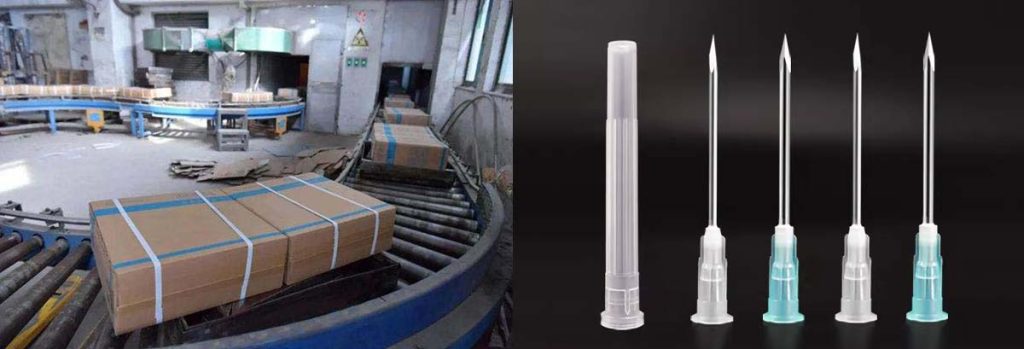
Uniform dose distribution stands as a critical factor in medical sterilization. Dose mapping studies help ensure that every part of a product batch receives the correct amount of radiation. Scientists use tools like Fricke gel dosimeters to measure how radiation spreads inside an irradiation chamber. They also use Monte Carlo simulations to model isodose curves and confirm the accuracy of experimental results. These methods identify the highest and lowest dose areas, allowing technicians to adjust irradiation time and product placement.
A key measure in this process is the dose uniformity ratio. This ratio compares the maximum and minimum doses received by products in a batch. A lower dose uniformity ratio means the dose range is narrow, which improves sterilization efficiency and reduces product damage. The table below highlights how different radiation sources affect dose uniformity ratio and product outcomes:
| Radiation Source | Dose Uniformity Ratio Characteristics | Impact on Sterilization and Product |
|---|---|---|
| Gamma Rays | Typically higher due to isotropic emission and penetration limits | Greater dose variation, risk of overkill or underdose, potential polymer incompatibility |
| X-ray | Lower (about 14% better than gamma) due to directive beam and higher penetration | Improved uniformity, less material damage, better for sensitive polymers |
| E-beam | Limited penetration, higher ratio, less uniform distribution | Needs careful mapping, risk of non-uniform sterilization, but faster processing |
Uniform dose distribution ensures all product parts reach the minimum sterilization dose without exceeding the maximum safe dose. This prevents incomplete sterilization and material damage, such as discoloration or embrittlement.
Product Arrangement
Product arrangement inside the irradiation chamber strongly influences uniformity. The placement of the radiation source, the filling level of the source rack, and the position of product containers all affect dose delivery. For example, moving products farther from the source can improve uniform dose distribution, but it may lower the dose rate and reduce throughput.
Best practices include irradiating products from multiple sides, rotating them 180°, and using mathematical modeling to optimize source activity. Techniques like simulated annealing help find the best arrangement, sometimes improving the dose uniformity ratio by up to 22%. The table below summarizes how arrangement aspects impact uniformity and throughput:
| Arrangement Aspect | Effect on Dose Distribution and Throughput |
|---|---|
| Source Placement | Defines radiation field shape; optimal placement improves uniformity by up to 18% |
| Rack Filling Level | Less than 50% full boosts throughput and uniformity; over 50% may reduce throughput |
| Container Positioning | Greater distance from source increases uniformity but lowers throughput |
Uniform dose distribution protects product safety and quality in medical sterilization. Careful dose mapping and smart product arrangement help achieve the best results for both sterilization and material integrity.
Dose Measurement and Monitoring
Dosimetry
Dosimetry plays a central role in medical sterilization by verifying the absorbed dose delivered to each product. Accurate measurement ensures that every item receives the correct amount of radiation to achieve sterilization without causing damage. In electron beam sterilization, dosimetry becomes especially important because the process delivers high doses in a short time. Technicians use different types of dosimeters for accurate dose measurement, including ionization chambers, thermoluminescent dosimeters (TLDs), and film dosimeters like the Sunna™ LiF film. These devices help in measuring doses across a wide range and provide immediate results after irradiation.
The Sunna™ system, for example, measures gamma doses from 20 to 80 kGy and offers results right after exposure. It emits green fluorescence, which allows for easy reading and archiving. International standards, such as ISO/ASTM 51261, require that the total uncertainty in absorbed dose measurements stays below 6%. This high level of precision ensures a 95% confidence level in dose verification. Dosimetry systems must remain stable and reliable, even when exposed to changes in humidity or temperature. By using these tools, technicians create dose maps that show the minimum and maximum doses within product packaging. This mapping helps identify areas that might receive too little or too much radiation, supporting quality assurance and compliance with standards like ISO 11137.
Dosimetry also supports process validation and routine audits. Before starting production, technicians expose product samples to a range of doses to test compatibility and determine the maximum safe dose. They place dosimeters inside product cases to record dose distribution, then use this data to set acceptable surface dose ranges for routine processing. Regular dose audits and validations confirm that the sterilization process remains effective over time. In summary, dosimetry ensures consistent dosing, prevents under- or over-sterilization, and guarantees the safety and efficacy of medical sterilization.
Real-Time Monitoring
Real-time monitoring has transformed how facilities control dose delivery during radiation sterilization. These systems provide continuous monitoring of critical parameters, such as dose rate and electron energy, throughout the process. For example, electronic monitoring systems can average the dose over a large product area and achieve reading accuracy as high as ±1%. This level of precision surpasses traditional film dosimetry, which typically offers ±3% accuracy.
Continuous monitoring allows operators to see dose and voltage data instantly. If the system detects a deviation from the target dose, alarms alert staff to make corrections before any product is wasted. This immediate feedback helps prevent both over- and under-dosing, which protects product quality and patient safety. Real-time monitoring also keeps detailed logs for each batch, supporting quality assurance and regulatory compliance.
Some advanced systems use X-ray detectors to measure bremsstrahlung radiation from electron beams. These detectors calculate dose rate and electron energy independently of the machine’s own controls. By combining these measurements with product speed, the system provides a continuous readout of the dose delivered to each item. This approach reduces the need for frequent film dosimetry and enables more consistent dose control. Continuous monitoring also helps identify machine parameter drifts, which can signal the need for maintenance. In medical sterilization, real-time monitoring ensures that every batch meets strict safety and efficacy standards.
Operators must monitor several system parameters to maintain accurate dose delivery. These include:
- The intensity of the radiation source or beam power
- The distribution of the radiation, such as beam shape or source placement
- The path of exposure, including conveyor speed, scan speed, and dwell timing
Monitoring these factors ensures that the correct dose reaches every product. ISO/TS 11137-4 provides guidance on monitoring these parameters alongside dosimetry to maintain process control and meet dose specifications.
Equipment Calibration
Equipment calibration stands as a key part of dose measurement and monitoring in medical sterilization. Calibration ensures that instruments used for measuring doses remain accurate and reliable. Industry standards recommend a risk-based approach to calibration intervals, considering factors like measurement risk, usage, environment, and manufacturer guidance. Most facilities perform annual calibration for radiation instruments, but high-risk applications may require calibration every three to six months.
Calibration involves comparing the instrument’s readings against primary or secondary standards. Common calibration techniques include using ionization chambers, calorimetry, and chemical dosimetry. The process determines a calibration factor, which technicians apply to the dosimeter before verifying its accuracy. Regular recalibration accounts for instrument drift and maintains measurement precision. Quality control checks and environmental controls, such as managing temperature and humidity, help sustain calibration validity.
Regulatory bodies, such as the Nuclear Regulatory Commission, require calibration at intervals not exceeding 12 months. Manufacturer recommendations often align with this schedule but may suggest more frequent calibration for sensitive or heavily used devices. Instruments exposed to harsh environments, like high humidity or dust, may need calibration every six months or even quarterly. Calibration must also occur after any repair or suspected malfunction before returning equipment to service. Routine accuracy checks, performed daily or weekly, complement formal calibration but do not replace it. Technicians use NIST-traceable sources and apply calibration factors to verify instrument accuracy. Keeping accurate records of calibration dates and results is essential for compliance and operational efficiency in medical sterilization.
Tip: Regular calibration and continuous monitoring help prevent dose delivery errors, such as under- or over-sterilization, and support consistent product quality.
Regulatory and Quality Assurance
ISO 11137 Compliance
ISO 11137 sets the global benchmark for dose control in radiation sterilization of medical equipment. This standard covers every stage, from sterilization cycle development to routine monitoring. Manufacturers must validate processes, monitor doses, and recalibrate equipment regularly. The standard also requires alignment with ISO 13485 for quality management. Facilities must consider all major sterilizing agents, including gamma, electron beam, and x-ray.
The table below summarizes the key requirements across ISO 11137 parts:
| ISO 11137 Part | Focus Area | Key Dose Control Requirements |
|---|---|---|
| ISO 11137-1 | Development, Validation, Routine Control | Process validation (IQ, OQ, PQ), routine dose monitoring, recalibration, quality system alignment, consideration of all radiation types |
| ISO 11137-2 | Establishing Sterilization Dose | Dose determination methods, dose audits, product family definitions |
| ISO 11137-3 | Dosimetric Aspects | Calibration and validation of dosimetry, dose mapping, uncertainty analysis, qualification for dose testing |
| ISO 11137-4 | Process Control Guidance | Setting target doses, statistical process control, managing variability and uncertainty |
Most countries, including the United States and Europe, harmonize their regulations with ISO 11137. Asia follows these standards as its medical sterilization capacity grows. This harmonization ensures consistent dose control and safety worldwide.
Validation and Documentation
Manufacturers must follow strict steps to demonstrate effective dose control in radiation sterilization. These steps ensure that every sterilization cycle meets safety and performance standards.
- Verify doses based on bioburden to match the actual microbial load.
- Test product materials for compatibility with radiation, checking both immediate and long-term effects.
- Qualify all equipment, including software and mechanical systems.
- Map doses in empty and loaded chambers to understand radiation distribution.
- Calibrate dosimeters regularly according to ISO standards.
- Confirm the process achieves the required Sterility Assurance Level (SAL).
- Review and document all validation studies, including process parameters and challenge studies.
- Maintain records of process control, monitoring, and personnel training.
Quality assurance teams face challenges such as managing dose mapping when switching between gamma, e-beam, or x-ray modalities. They must also balance the need for effective sterilization with the risk of damaging sensitive products. Regular audits, preventive maintenance, and ongoing monitoring help maintain validated status.
Note: Continuous employee training and risk-based adjustments to validation frequency support ongoing compliance. These practices keep medical sterilization processes robust and reliable.
Conclusion
Dose control in medical sterilization ensures both safety and the long-term integrity of medical equipment. Strict dose control destroys harmful microorganisms while preserving product integrity and supporting patient safety. Manufacturers can maintain effective dose control by:
- Performing regular calibration and validation to keep equipment within defined parameters.
- Training staff to monitor processes and uphold product integrity.
- Using modern sensors and maintaining detailed records for regulatory compliance.
Ongoing attention to new technologies and best practices helps protect safety and product integrity in every sterilization cycle.