


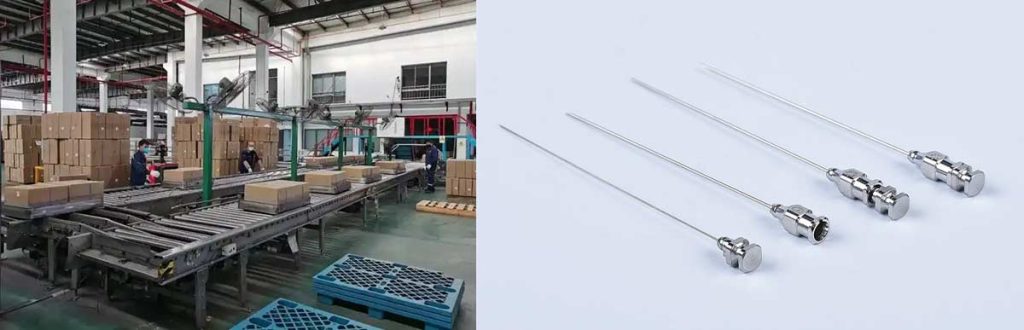
E-beam curing transforms carbon fiber production by using high-energy electrons to initiate rapid curing. This process eliminates the need for high temperatures and pressure, making out-of-autoclave methods possible. E-beam delivers fast, uniform cure throughout the fiber, minimizing energy consumption. Operators observe reduced thermal degradation and improved curing characteristics. E-beam also provides electron beam sterilization, which enhances the quality of carbon fiber composites. Manufacturers achieve consistent curing results, saving time and resources.
Key Takeaways
- E-beam curing accelerates carbon fiber production by using high-energy electrons, eliminating the need for autoclaves.
- This method reduces energy consumption and production costs while improving mechanical properties of composites.
- E-beam technology ensures uniform curing throughout the material, enhancing quality and reducing defects.
- The process supports sustainability by minimizing waste and avoiding harmful chemicals, making it safer for sensitive applications.
- E-beam curing is adaptable for various industries, including aerospace and automotive, driving innovation and efficiency.
E-Beam Curing Process
What Is E-Beam Curing?
E-beam curing uses high-energy electrons to start the curing process in advanced polymer composites. This method does not depend on heat or pressure like traditional curing methods. Instead, electron beam irradiation equipment sends electrons into the material. These electrons break chemical bonds and trigger in-situ curing. The process can lock in specific morphologies in advanced polymer composites, which leads to unique mechanical properties. Unlike thermal curing methods, e-beam curing does not always complete the curing cycle alone. Sometimes, manufacturers use a dual approach, combining e-beam and photothermal methods for full polymerization. This difference gives engineers more control over the final properties of composites.
E-beam curing stands out because it does not need photoinitiators. This leads to cleaner migration testing results and often makes regulatory compliance easier than with UV-cured systems. The process also supports a wide range of materials, including recycled resins and various packaging formats. The table below shows the compatibility of different materials with e-beam curing.
| Material Type | Compatibility Evidence |
|---|---|
| Recycled Resins | Can be sterilized with e-beam if stability at required doses is maintained. |
| Packaging Formats | Tyvek pouches, thermoformed trays, and multi-layer films allow efficient electron penetration. |
| Inks and Adhesives | Most tolerate standard E-Beam doses well, with performance depending on resin chemistry. |
How the Curing Process Works?
The curing process begins when electron beam irradiation equipment directs a controlled stream of electrons at the composite. These electrons penetrate the material and start the in-situ curing reaction. The irradiation process can use either high-energy or low-energy electron beam, depending on the thickness and type of advanced polymer composites. The tape placement process often benefits from this technology, as the electron beam can cure each layer quickly and evenly.
The photothermal effect plays a key role in the curing process. When electrons hit the composite, they generate localized heat and trigger chemical changes. This photothermal reaction helps the resin harden without the need for an autoclave. The process is highly energy efficient. It reduces the time needed for the curing cycle and lowers overall manufacturing costs. Sensitive materials benefit from this approach because the process avoids high temperatures and harsh chemicals.
The curing process also improves safety and quality. Electron beam curing removes the need for chemical initiators or solvents. This creates a clean production pathway and reduces the risk of harmful residues. The process supports compliance with strict regulations, such as those for food contact materials and pharmaceutical packaging. The list below highlights the main safety advantages:
- Reduced environmental and health concerns.
- Improved part quality and performance.
- Lower manufacturing costs compared to traditional photothermal curing.
EB-cured packaging materials show no detectable photoinitiator residues. They meet international standards, including EU Regulation 10/2011 and U.S. FDA 21 CFR requirements. This is especially important for sensitive applications like infant formula packaging.
Electron Beam Sterilization in Composites
Electron beam irradiation equipment also provides effective sterilization for advanced polymer composites. The irradiation process can sterilize the surface and interior of composites without changing their key properties. The photothermal effect ensures that the sterilization process does not damage the material. The table below summarizes key findings from studies on e-beam sterilization in composites.
| Key Findings | Description |
|---|---|
| Surface Properties | E-beam sterilization did not alter the surface properties of the scaffolds. |
| Mechanical Properties | A 14% increase in initial mechanical stiffness and strength was observed. |
| Degradation Rate | E-beam-treated scaffolds exhibited 25% faster degradation. |
| Cell Viability | No negative impact on cell viability, attachment, or differentiation. |
| Sterilization Effectiveness | 15 kGy E-beam irradiation effectively sterilized the scaffold. |
| Performance Impact | No significant reduction in biomechanical performance post-irradiation. |
| Standard Compliance | The treatment complies with ISO 11137-2 standards. |
The irradiation process can accelerate degradation in some advanced polymer composites, which may be useful for certain applications. The photothermal effect from the electron beam does not cause significant volume changes, except in specific cases. The tape placement process and in-situ curing both benefit from the ability to sterilize and cure in a single step. This makes electron beam irradiation equipment a valuable tool in modern composite manufacturing.
The use of low-energy electron beam in the curing process allows for precise control over the photothermal reaction. This control supports the production of high-quality advanced polymer composites with consistent properties. The tape placement process, in-situ curing, and irradiation process all work together to create strong, reliable composites for demanding applications.
Rapid Out-of-Autoclave Cure
Speed and Efficiency
E-beam curing delivers rapid results in carbon fiber manufacturing. The process uses high-energy electrons to initiate the cure, which eliminates the need for autoclaves. Operators observe that the rapid curing cycle reduces production times and increases throughput. Manufacturers can produce complex carbon fiber structures quickly and efficiently. The technology supports mass production and improves mechanical properties in short carbon fiber reinforced thermoplastic polymers.
- E-beam curing significantly reduces processing times.
- The rapid process enables mass production of complex carbon fiber structures.
- Improved mechanical properties result from efficient rapid curing.
The rapid cure process allows manufacturers to meet high demand without sacrificing quality. E-beam curing provides a consistent and reliable method for rapid out-of-autoclave production. The process supports both small-scale and large-scale manufacturing environments.
Homogeneous Through-Thickness Cure
E-beam curing ensures a homogeneous cure throughout the thickness of carbon fiber composites. The rapid process penetrates each layer evenly, which eliminates the risk of uneven curing. Traditional autoclave methods often struggle to achieve uniform cure in thick carbon fiber parts. E-beam technology solves this challenge by delivering rapid and consistent curing across the entire composite.
E-beam curing creates uniform mechanical properties in carbon fiber composites. The rapid process reduces defects and improves structural integrity.
Manufacturers benefit from the rapid cure process because it produces high-quality carbon fiber parts. The technology supports advanced applications where consistent performance is critical. E-beam curing enables rapid out-of-autoclave production with reliable results.
Eliminating High Temperatures and Pressure
E-beam curing eliminates the need for high temperatures and pressure in the rapid cure process. Traditional autoclave methods rely on heat and pressure to cure carbon fiber composites. E-beam technology uses high-energy electrons to achieve rapid curing without these harsh conditions. The process reduces the risk of thermal degradation and internal stresses in carbon fiber materials.
| Benefit | Description |
|---|---|
| Reduced Thermal Degradation | Rapid curing avoids high temperatures, preserving fiber properties. |
| Lower Internal Stresses | The process eliminates pressure, minimizing stress in the cured composite. |
| Energy Savings | Rapid cure uses less energy compared to autoclave methods. |
The rapid out-of-autoclave process supports sensitive carbon fiber materials. E-beam curing maintains the integrity of the fiber and resin during the cure. Manufacturers achieve rapid and efficient production while protecting the quality of carbon fiber composites.
E-Beam vs. Autoclave Curing
Process Differences
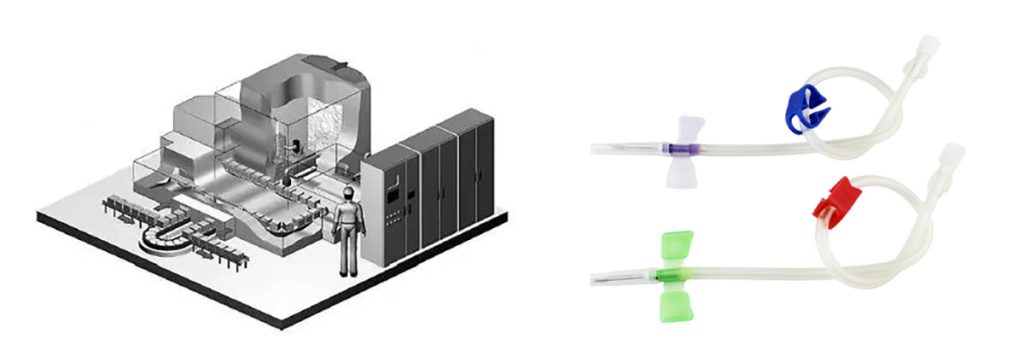
The curing of carbon fiber composites relies on two main methods: electron beam and autoclave. Each process uses unique mechanisms to achieve polymerization and crosslinking. Electron beam curing exposes composites to a stream of electrons, triggering rapid irradiation and curing. Autoclave curing requires high temperatures and pressure, making the process labor-intensive. Tool size must match the oven or autoclave, which limits flexibility. The table below highlights key differences:
| Aspect | E-beam Curing | Autoclave Curing |
|---|---|---|
| Curing Efficiency | Faster curing process at low temperatures | Time-consuming, requires careful planning |
| Temperature Control | Can increase temperature up to 90°C due to exothermic reactions | Requires high temperatures and pressure in a controlled environment |
| Mechanical Properties | Reduces residual mechanical stresses | Labor and capital intensive, affects cost with part size growth |
Practical Implications
Scaling production of composites presents challenges for both curing methods. Electron beam curing allows rapid irradiation and consistent quality, even as production scales. Autoclave curing increases labor and capital demands, especially for larger composites. Companies must maintain quality standards during scaling. Ignoring quality assurance leads to higher defect rates and inefficiencies. Statistical process control methods help identify variations and enable timely corrections. Transitioning from lab to larger systems affects formulation stability and uniformity. Scaling production increases the risk of defects if processes or materials change. Without proper quality control, companies face significant rework and customer dissatisfaction.
- Electron beam curing supports consistent quality during scaling.
- Autoclave curing requires careful planning and quality assurance.
- Scaling increases risk of defects without proper process control.
Residual Stress and Material Quality
Electron beam curing improves material quality in composites. Microwave irradiation before electron beam curing enhances interfacial adhesion between carbon fibers and the polymer matrix. This process increases fiber surface roughness and improves wettability. Interfacial shear strength rises by more than 31%, and interlaminar shear strength improves by 22%. Electron beam curing reduces curing time to minutes, boosting productivity. However, flexural strength may decrease unless heat treatment is applied. Heat treatment in a vacuum lowers resin viscosity and eliminates voids, increasing flexural strength by about 65%. Electron beam irradiation ensures strong, reliable composites with improved performance.
Electron beam curing delivers rapid irradiation, reduces residual stress, and enhances material quality in carbon fiber composites.
Key Benefits of E-Beam Cure
Time and Cost Savings
E-beam curing offers significant advantages for carbon fiber manufacturing. Operators observe that the curing process reduces production time and lowers operational costs. Manufacturers achieve rapid cure cycles, which increase throughput and decrease labor expenses. The energy-efficient nature of e-beam technology minimizes energy consumption during composites production. Modern accelerators reach energy efficiency levels above 90% in optimal conditions. These improvements enhance the competitiveness of companies usinge-beam curing. The table below summarizes key benefits:
| Key Benefit | Description |
|---|---|
| Cost Savings | Recent innovations have reduced operational costs and energy consumption significantly. |
| Enhanced Performance | Modern accelerators achieve energy efficiency levels surpassing 90% in optimal conditions. |
| Flexibility in Applications | Compact, modular designs provide greater flexibility for various industrial applications. |
| Sustainability | E-beam technology offers sustainable alternatives to traditional thermal processing methods. |
Scalability and Flexibility
Manufacturers rely on e-beam curing to scale production of carbon fiber composites. The curing process adapts to various manufacturing requirements, supporting both small and large structures. Studies show that automated tape placement combined with low-energy electron beam radiation enables in situ layer-wise cure. This method optimizes the degree of cure of printed composites and ensures homogeneity. E-beam curing allows for energy-efficient manufacturing of high-performance composite materials. However, research highlights challenges such as weak interfacial binding between fibers and matrix materials, which may affect scalability and flexibility. Manufacturers continue to improve the curing process to address these limitations and achieve high-performance results.
E-beam curing provides flexibility for different carbon fiber applications. The process supports rapid adaptation and consistent quality in composites manufacturing.
Environmental Impact
E-beam curing contributes to sustainability in carbon fiber manufacturing. The energy-efficient process reduces material waste and accelerates production speed. Manufacturers benefit from lower emissions and decreased reliance on high temperatures and pressure. E-beam curing supports environmentally friendly practices by minimizing resource consumption. The curing process enables the production of high-performance composites with reduced environmental impact. Companies achieve energy-efficient manufacturing while maintaining the quality and integrity of carbon fiber and fiber-reinforced composites.
E-beam curing helps manufacturers meet sustainability goals and produce high-performance composites efficiently.
Applications and Industry Impact
Real-World Uses
Manufacturers use e-beam curing in many advanced industries. Aerospace companies rely on this technology to produce carbon fiber-reinforced polymer composites for aircraft parts. These parts include cryogenic fuel tanks, canopy frames, and all-composite military aircraft. The automotive sector uses e-beam curing to create lightweight carbon fiber components for electric vehicles. This process supports the rapid cure of complex shapes, which improves performance and sustainability.
E-beam curing also benefits the repair of commercial aircraft. Technicians can cure fiber-reinforced polymer composites quickly, reducing downtime and costs. Space programs use this method to manufacture carbon fiber structures for satellites and launch vehicles. The table below highlights key applications and their impact on manufacturing:
| Application Area | Impact on Manufacturing |
|---|---|
| Aerospace | Faster production of high-performance carbon fiber parts |
| Automotive | Customization and rapid cure for electric vehicle parts |
| Space | Reliable cure for lightweight fiber-reinforced composites |
| Aircraft Repair | Reduced downtime and cost-effective composite repair |
E-beam curing enables the use of high-performance materials that traditional methods cannot process easily. Manufacturers can produce customized fiber-reinforced polymer composites directly from digital models. This approach reduces waste and accelerates time-to-market.
Changing Manufacturing Practices
E-beam curing is transforming manufacturing practices in the carbon fiber industry. Companies now scale up from lab to large systems with greater control over product quality. Advanced equipment provides real-time monitoring, which improves the consistency of the cure. Variations in mixing and processing steps affect the viscosity and flow of fiber-reinforced polymer composites. Manufacturers adjust these parameters to ensure stable emulsions and reliable application behavior.
Industry experts recognize the advantages of e-beam curing for carbon fiber composites. They see faster production times, improved performance, and readiness for commercial adoption. The technology supports sustainable manufacturing by reducing energy use and material waste. Cost reductions range from 10% to over 50% for aerostructures, depending on part design and production volume.
Manufacturers benefit from:
- Significantly reduced curing times
- Improved part quality and performance
- Lower environmental and health risks
- Enhanced material handling and process efficiency
E-beam curing allows companies to eliminate multiple manufacturing steps. They use only the necessary amount of carbon fiber material, which increases efficiency. The process supports the creation of advanced fiber-reinforced polymer composites for demanding applications. As a result, e-beam curing continues to shape the future of carbon fiber manufacturing.
Conclusion
E-beam technology changes carbon fiber curing by enabling rapid, out-of-autoclave processes. Manufacturers see improvements in speed, efficiency, cost, and environmental impact.
- Faster curing cycles boost productivity.
- Energy savings reduce operational costs.
- Consistent quality supports sustainable manufacturing.
Industry experts expect e-beam curing to drive innovation and expand applications in aerospace, automotive, and beyond.
FAQ
What Makes E-Beam Curing Faster Than Autoclave Methods?
E-beam curing uses high-energy electrons to start polymerization instantly. The process does not require heating or pressurizing. Manufacturers finish curing in minutes instead of hours.
Does E-Beam Curing Affect Carbon Fiber Strength?
Studies show that e-beam curing improves interfacial adhesion and mechanical properties. The process reduces residual stress and maintains fiber strength.
Is E-Beam Curing Safe for Sensitive Materials?
E-beam curing avoids high temperatures and harsh chemicals. Sensitive materials retain their properties. The process meets strict safety standards for medical and food applications.
Can E-Beam Curing Scale for Large Composite Parts?
Manufacturers use automated tape placement and modular e-beam systems. The technology adapts to small and large parts. Production scales efficiently with consistent quality.
How Does E-Beam Curing Support Sustainability?
| Benefit | Description |
|---|---|
| Energy Savings | Uses less energy than autoclaves |
| Waste Reduction | Minimizes material waste |
| Clean Process | No harmful chemical residues |