


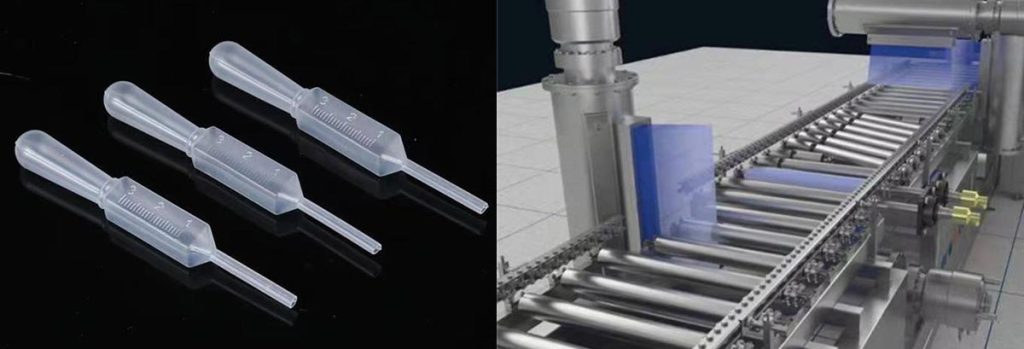
E-beam radiation sterilization offers a fast, reliable solution for medical devices with electronics. This method protects sensitive components, avoids chemical or moisture residue, and supports a wide range of materials. While ethylene oxide remains common, e-beam stands out for its efficiency and sustainability. The following chart shows how e-beam compares to other major sterilization methods:
Choosing the right sterilization method ensures device safety and performance.
Key Takeaways
- E-beam sterilization operates at room temperature, protecting sensitive electronics from heat damage.
- The process is fast, typically taking only 5 to 7 minutes, which boosts production efficiency.
- E-beam leaves no chemical or moisture residues, reducing risks of corrosion and electrical failures.
- This method is environmentally friendly, using only electricity and generating no harmful waste.
- E-beam sterilization meets strict regulatory standards, ensuring safety and effectiveness for medical devices.
Key Benefits of E-Beam Sterilization for Medical Devices
Non-Thermal Process for Electronics
E-beam sterilization uses high-energy electrons to eliminate microorganisms without raising the temperature of the product. This non-thermal process protects sensitive electronics from heat damage, which can occur with other sterilization methods. Electron beam irradiation equipment delivers precise doses of energy at room temperature, ensuring that medical devices with delicate circuits or semiconductors maintain their integrity. Unlike gamma radiation, which can degrade electronic components at high doses, e-beam offers a safer alternative for devices that require both sterility and reliable performance.
- E-beam radiation sterilization operates at room temperature, so it avoids thermal stress on plastics, adhesives, and solder joints.
- The process does not leave toxic residues, making it ideal for heat-sensitive and complex devices.
- E-beam minimizes the risk of charge build-up, which can cause electrostatic discharge (ESD) damage, especially when compared to other radiation sterilization methods.
| Sterilization Method | Impact on Electronic Components | Notes |
|---|---|---|
| E-beam Sterilization | Can cause charge build-up (ESD) leading to damage, especially in semiconductors. | Faster and more compatible with materials than gamma radiation. |
| Gamma Radiation | Can degrade semiconductors if the dose is too high; deeper penetration can affect reliability. | Total ionization greater than 5000 rads can make circuits unreliable. |
| Ethylene Oxide | Generally compatible with electronic components; does not adversely affect semiconductors. | Not specified in detail, but noted for compatibility. |
| Chlorine Dioxide | Similar to ethylene oxide in terms of compatibility with electronics. | Not specified in detail, but noted for compatibility. |
E-beam sterilization demonstrates strong compatibility with electronic components, making it a preferred choice for manufacturers who prioritize device quality and safety.
Fast Sterilization Cycle
E-beam sterilization stands out for its rapid processing time. The typical cycle lasts only 5 to 7 minutes, which is much faster than many other sterilization methods. This speed allows manufacturers to reduce turnaround times and increase production efficiency. High throughput means more medical devices can be sterilized in less time, supporting large-scale manufacturing without sacrificing quality.
| Evidence Type | Description |
|---|---|
| Fast Processing Times | E-beam sterilization provides rapid processing times, which directly reduces manufacturing delays. |
| High Throughput | The technology allows for high throughput, enabling manufacturers to process more devices quickly. |
| Minimal Chemical Residues | This feature ensures that devices are safe for use, aligning with industry safety standards. |
| Sterilization of Complex Devices | The ability to sterilize heat-sensitive and complex devices enhances adoption and efficiency. |
Tip: Faster sterilization cycles help companies respond quickly to urgent medical needs and reduce inventory costs.
No Chemical or Moisture Residue
E-beam radiation sterilization leaves no chemical or moisture residue on medical devices. This feature is critical for electronics, as residues can cause corrosion, electrical failures, or coating problems over time. Devices sterilized with e-beam are ready for immediate use, which improves workflow and reduces the risk of contamination.
E-beam sterilization supports long-term reliability by eliminating risks associated with chemical or moisture residues:
- Corrosion: Chemical residues can attract moisture, leading to corrosion of copper traces and component leads, which can significantly shorten the lifespan of electronic devices.
- Electrical Issues: Residues can create conductive paths that result in leakage currents or short circuits, compromising the device’s functionality.
- Conformal Coating Failure: Residues can hinder the adhesion of protective coatings, which are essential for safeguarding devices from environmental factors, thus increasing failure rates.
- Dendrite Growth: Ionic residues can lead to the formation of conductive filaments that may cause shorts, particularly in moist conditions, further jeopardizing device reliability.
E-beam sterilization is particularly compatible with a wide range of materials used in electronic medical devices. Plastics like polypropylene, polyethylene, and polycarbonate, as well as elastomers, glass, and certain metals, can withstand electron beam exposure without losing their structural integrity. This compatibility ensures that devices remain durable and safe for patient use.
| Material | Compatibility |
|---|---|
| Polyamide Thermoplastic Elastomer (TPA) | Good |
| Polycarbonate (PC) | Good |
| Polychlorotrifluoroethylene (PCTFE) | Fair |
| Polydimethyl Siloxane (PDMS) | Good |
| Polyetheretherketone (PEEK) | Good |
| Polyethylene (PE) | Good |
| Polymethyl Methacrylate (PMMA) | Good |
| Polyoxymethylene (Delrin) | Poor |
| Polyphenylene Sulfide (PPS) | Good |
| Polyphenylsulfone (PPSU) | Good |
| Polypropylene (PP) | Fair |
| Polystyrene (PS) | Good |
| Polysulfone (PSU) | Good |
| Polytetrafluoroethylene (PTFE) | Poor |
| Polyurethane (PU) | Good |
| Polyvinyl Chloride (PVC) | Good |
| Polyvinyl Chloride (Unplasticized – PVC) | Fair |
| Polyvinyl Fluoride (PVF) | Good |
| Silicone | Good |
| Stainless Steel 316 | Good |
| Thermoplastic Polyolefin (TPO) | Good |
| Thermoplastic Polyurethane (TPU) | Good |
| Ultrahigh Molecular Weight Polyethylene (UHMWPE) | Good |
E-beam radiation sterilization also offers environmental benefits. The process uses only electricity and generates no radioactive or chemical waste, unlike gamma radiation or ethylene oxide sterilization. This makes electron beam sterilization a sustainable choice for manufacturers who value both quality and environmental responsibility.
Safety and Regulatory Acceptance
Proven Safety for Electronics
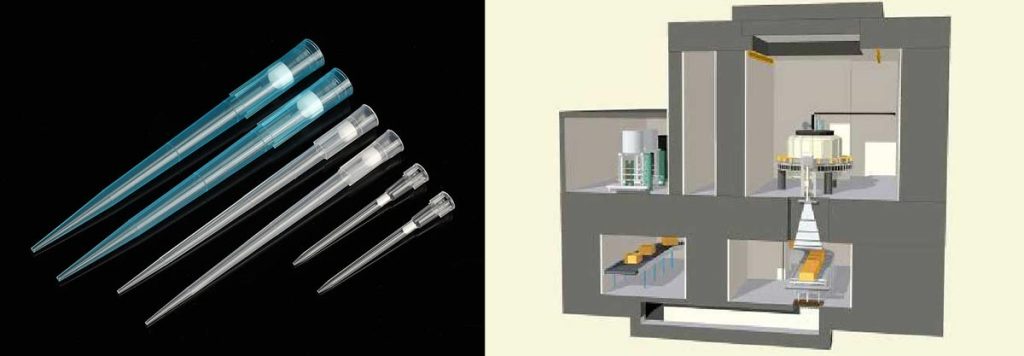
E-beam radiation sterilization demonstrates a strong safety record for medical devices with electronics. The process uses electron beam energy to eliminate harmful microorganisms without introducing toxic gases or radioactive materials. Manufacturers rely on e-beam because it does not compromise the quality or reliability of sensitive electronic components. The U.S. Food and Drug Administration recognizes e-beam as an established method, which highlights its maturity and long history of safe use. E-beam does not produce hazardous byproducts, making it a sustainable choice for sterilization.
The following table summarizes documented risks and advantages associated with e-beam and other sterilization methods:
| Risk Type | Description |
|---|---|
| Maturity | E-beam is recognized as an established method by the FDA, indicating a long history of safe use. |
| Sustainability | E-beam does not produce toxic gases or radioactive materials, ensuring safety during the sterilization process. |
| Litigation Risk | Significant settlements in 2023 highlight ongoing legal risks associated with alternative sterilization methods. |
| Supply Risk | Rising costs and geopolitical issues affecting the supply of cobalt-60 for gamma sterilization present a risk. |
E-beam sterilization helps manufacturers avoid supply chain risks and legal challenges that affect other radiation sterilization methods. The process supports consistent quality and safety for electronic medical devices.
Regulatory Standards for E-Beam
Regulatory agencies set strict standards for sterilization to protect patient safety. The FDA evaluates sterilization methods, including e-beam, to ensure they meet safety and effectiveness requirements. Manufacturers must validate their electron beam sterilization processes under the Quality System Regulation. Compliance with international standards, such as ISO 11137 for radiation sterilization and ISO 11607 for packaging validation, is mandatory.
Key regulatory requirements for e-beam sterilization include:
- The FDA serves as the primary regulatory authority for medical devices in the United States.
- The FDA reviews e-beam sterilization to confirm safety and effectiveness.
- Manufacturers must validate sterilization processes under the Quality System Regulation.
- Compliance with ISO 11137 is required for e-beam sterilization validation.
- Routine dose audits every four months help maintain compliance and verify effectiveness.
- A robust risk management process must include hazard identification, risk analysis, risk controls, and ongoing review.
The table below highlights important standards for electron beam sterilization:
| Standard | Focus Area |
|---|---|
| ISO 11137 | Radiation sterilization |
| ISO 11607 | Packaging validation |
E-beam sterilization meets global regulatory standards and supports high-quality manufacturing for medical devices with electronics.
Manufacturing Advantages of E-Beam
Scalability and Efficiency
E-beam offers manufacturers a flexible and scalable solution for sterilization. The technology allows for precise irradiation in seconds, so companies can treat individual products instead of full boxes. This approach supports both small and large production runs, making it ideal for manufacturers who need to adapt quickly to changing demand. Electron beam systems use smaller power sources and conveyors, which are easier to shield and integrate into existing manufacturing setups. Quick dose delivery minimizes material degradation and preserves the quality of medical devices. Immediate product release after treatment accelerates time-to-market and improves operational efficiency.
| Evidence Description |
|---|
| E-beam sterilization allows for precise irradiation in seconds, enabling treatment of individual products rather than full boxes. |
| The technology supports smaller power sources and conveyors that are easier to shield, enhancing adaptability in manufacturing setups. |
| Quick dose delivery minimizes material degradation, preserving the quality of medical devices without prolonged oxidative exposure. |
| Immediate product release post-treatment accelerates time-to-market and operational efficiency. |
E-beam sterilization works efficiently in high-volume production environments. It inactivates microorganisms at various dose rates, and its microbicidal efficacy matches that of X-rays and gamma rays. Studies show that all irradiation technologies, including electron beam, are equally effective in inactivating Bacillus pumilus spores.
- E-beam supports rapid processing and high throughput.
- The process maintains consistent quality across large batches.
- Manufacturers can scale operations without sacrificing product safety.
Cost-Effectiveness
E-beam radiation sterilization provides significant cost advantages for manufacturers of electronic medical devices. Electron beam systems have lower operational costs because they do not require chemicals and use energy efficiently. Rapid processing times reduce per-unit costs and allow for faster inventory turnover. Facilities using e-beam require less physical space and face simpler regulatory compliance compared to other sterilization methods.
| Criteria | Electron Beam Systems | X-Ray Systems |
|---|---|---|
| Economic Considerations | Lower operational costs | Higher transportation and operational costs |
| Processing Time | Seconds | Hours to days |
| Sustainability & Environmental Impact | Dependent on electricity source | Dependent on electricity source |
Advancements in technology and economies of scale make electron beam sterilization more cost-effective each year. High throughput capacity lowers the cost per unit, which benefits high-volume operations. Automation and digital technologies, such as IoT and artificial intelligence, further enhance operational efficiency and reduce costs.
| Evidence | Description |
|---|---|
| Cost-Effectiveness | E-beam sterilization systems are becoming more cost-effective due to advancements in technology and economies of scale. |
| High Throughput | Their high throughput capacity reduces the cost per unit, making them a more affordable solution for high-volume sterilization operations. |
E-beam also improves supply chain efficiency. The process eliminates harmful chemicals, aligns with regulatory demands for safety and sustainability, and supports strategic localization of manufacturing. Companies can respond to market changes quickly and maintain high quality standards for their products.
Conclusion
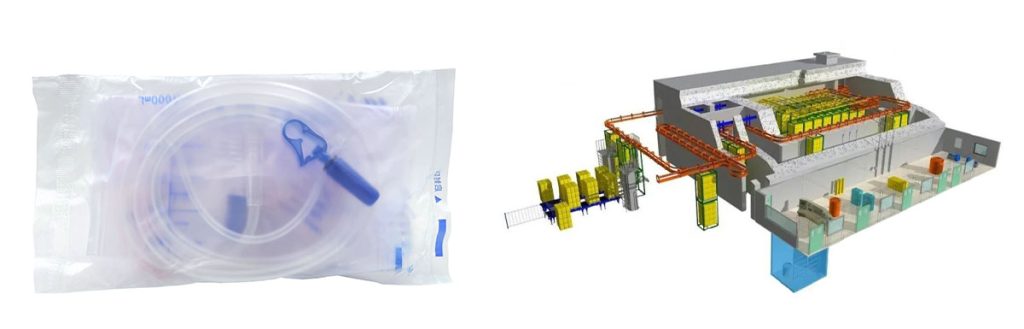
E-beam sterilization stands out for medical devices with electronics because it delivers speed, safety, and consistent quality. Manufacturers choose this method for its efficiency, convenience, and ability to maintain product quality. The table below highlights key advantages:
| Advantage | Description |
|---|---|
| Efficiency | Quick processing times for faster turnaround. |
| Sterility | High sterility assurance for reliable results. |
| Compatibility | Works with sensitive electronics and packaging. |
| Regulatory Support | Meets global standards for medical device sterilization. |
Manufacturers can access resources such as STERIS AST, workshops, and technical support to learn more about electron beam sterilization and ensure the highest quality for their products.
FAQ
What Types of Medical Devices Benefit Most from E-Beam Sterilization?
Devices with sensitive electronics, such as pacemakers, infusion pumps, and diagnostic sensors, benefit most. E-beam sterilization protects delicate circuits and materials while ensuring sterility.
Does E-Beam Sterilization Affect Device Performance?
E-beam sterilization does not harm device performance when used correctly. Manufacturers validate each process to ensure electronics and materials remain reliable and safe.
How Fast Is the E-Beam Sterilization Process?
E-beam sterilization typically takes 5 to 7 minutes per cycle. This rapid process helps manufacturers reduce production delays and quickly deliver sterile devices.
Is E-Beam Sterilization Environmentally Friendly?
E-beam sterilization uses only electricity and produces no chemical or radioactive waste. This method supports sustainability and reduces environmental impact.
What Regulatory Standards Govern E-Beam Sterilization?
Regulatory agencies require compliance with standards like ISO 11137 for radiation sterilization and ISO 11607 for packaging. The FDA also reviews and approves e-beam processes for medical devices.