


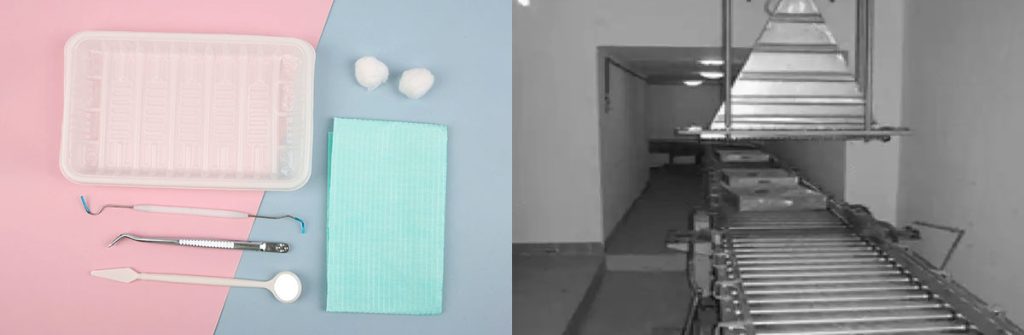
E-beam sterilization often proves gentler on certain polymers than gamma sterilization because it delivers energy quickly over a short time. This rapid process, much like a quick flash compared to a slow soak, limits the exposure of sensitive materials. Studies show that even with different energy delivery methods, polymers such as PE and EVOH maintain their thermal and mechanical properties. This matters for products like PPE and medical devices, where preserving material integrity is essential.
Key Takeaways
- E-beam sterilization delivers energy quickly, reducing exposure time and minimizing material degradation in sensitive polymers.
- This method preserves the mechanical and thermal properties of polymers like polypropylene and polycarbonate, making it ideal for medical devices and PPE.
- E-beam sterilization causes less chain scission and crosslinking, which helps maintain the strength and flexibility of materials.
- Choosing e-beam technology can enhance the longevity and performance of products, ensuring safety and effectiveness in healthcare applications.
- Always evaluate the compatibility of the sterilization method with specific polymers to avoid unwanted degradation and maintain product integrity.
E-Beam Sterilization vs Gamma: How They Work
E-Beam Sterilization Process
E-beam sterilization uses electron beam irradiation equipment to generate high-energy electrons. These electrons pass through products quickly, delivering a sterilizing dose in seconds to minutes. The process works best for low- to medium-density products because the electrons have limited penetration. E-beam offers a faster dose rate than other methods. This rapid exposure reduces the risk of material degradation, which is important for sensitive plastics like polypropylene. The short processing time also helps maintain the physical and mechanical properties of many polymers.
Gamma Sterilization Process
Gamma sterilization relies on photons produced by radioactive decay, often from cobalt-60. These photons penetrate deeper into materials than electrons, making gamma suitable for medium- to high-density products. The process takes longer, usually several hours, to achieve the required sterility assurance level. Manufacturers use dosimeters to measure the gamma dose for each batch, ensuring compliance with ISO 11137. Gamma sterilization remains a standard for medical devices because it achieves a sterility assurance level of 10^-6, which is critical for patient safety.
| Feature | Gamma Sterilization | Electron Beam Sterilization |
|---|---|---|
| Radiation Source | Photons from radioactive decay (e.g., cobalt-60) | Machine-generated high-energy electrons |
| Penetration Capability | Deeper penetration due to massless photons | Limited penetration based on electron energy |
| Ideal Product Density | Medium- to high-density products | Low- to medium-density products |
| Processing Time | Longer (hours) | Shorter (seconds to minutes) |
Polymer Chain Interaction
Both e-beam and gamma sterilization use ionizing radiation to destroy microorganisms. However, their effects on polymer chains differ. Gamma radiation interacts with polymers by ionizing the chains, which can cause both crosslinking and chain scission through free radical mechanisms. These changes may alter the physical and mechanical properties of the material. E-beam sterilization, with its shorter exposure time, tends to cause less chain scission and crosslinking. This gentler approach helps preserve the integrity of sensitive polymers. Ionizing radiation remains effective for sterilization, but the choice of method affects how much the polymer structure changes.
Note: The shorter exposure duration in e-beam sterilization results in less material degradation, which benefits sensitive materials used in medical and personal protective equipment.
Why E-Beam is Gentler on Polymers?
Faster Dose Rate and Shorter Exposure
E-beam sterilization delivers a high dose rate in a very short time. This process often completes in seconds to minutes, while gamma sterilization can take hours. The rapid exposure means that sensitive materials experience less time under radiation, which reduces the risk of degradation. E-beam works best for products with low to medium density, where deep penetration is not required. The shorter exposure time also limits the formation of free radicals, which can react with oxygen and cause oxidative degradation. This approach helps maintain the performance of polymers used in medical and personal protective equipment.
Note: E-beam sterilization can achieve the required dose in less than a minute, which decreases the likelihood of oxidative degradation and helps preserve the original properties of the material.
Less Chain Scission and Crosslinking
Both e-beam and gamma radiation can cause changes in the molecular structure of polymers. These changes include chain scission, where the long chains break, and crosslinking, where chains bond together. However, the rates of chain scission and crosslinking are generally lower with e-beam than with gamma. This difference matters because excessive chain scission leads to rapid degradation and loss of mechanical strength, while too much crosslinking can make the material brittle.
| Effect Type | Description |
|---|---|
| Chain Scission | Leads to a decrease in molecular weight and mechanical strength. |
| Crosslinking | Enhances strength up to a certain point before causing embrittlement. |
E-beam sterilization preserves the performance of sensitive polymers by minimizing these effects. For example, studies show that e-beam causes less discoloration and molecular degradation in polycarbonate compared to gamma. Gamma sterilization often results in significant changes to material integrity, while e-beam maintains both physical and chemical properties. This preservation is especially important for products that require long-term durability and consistent performance.
- The mechanical properties of polymers depend on their long chain structure.
- Chain scission reduces molecular weight and strength.
- Crosslinking increases strength and ductility up to an optimum level, but excessive crosslinking leads to embrittlement.
Lower Energy Absorption in Sensitive Polymers
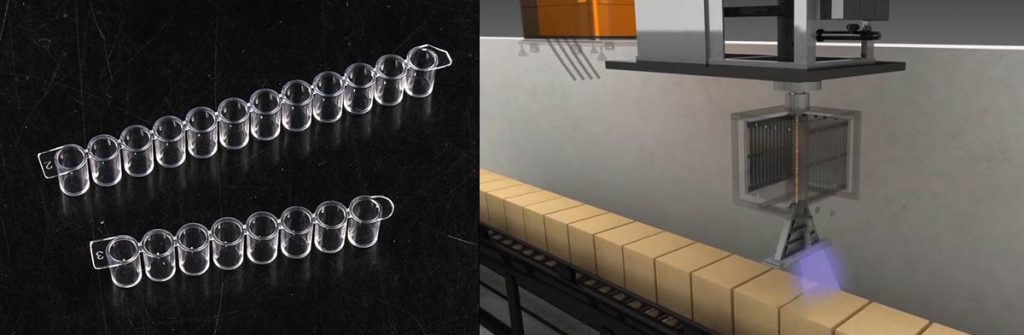
Sensitive polymers, such as PEBA and polycarbonate, benefit from the lower energy absorption associated with e-beam sterilization. The process uses high-energy electrons that interact with the material for a brief period, which limits the total energy absorbed. This reduced energy input means less molecular degradation and fewer changes to the polymer’s structure. Research shows that e-beam sterilization results in less discoloration and better preservation of mechanical and thermal properties compared to gamma sterilization.
| Key Findings | Description |
|---|---|
| Shorter Exposure Time | Reduces oxidative degradation and preserves material performance. |
| Effect on PCL Chains | Alters chain structure with minimal impact on mechanical properties. |
| Changes in Molecular Weight | Indicates a balance between chain scission and crosslinking, maintaining performance. |
E-beam technology also offers environmental benefits. The process does not require radioactive materials, and it produces less waste. Facilities can turn the e-beam system on and off as needed, which increases efficiency and reduces energy consumption. These advantages make e-beam sterilization a preferred choice for manufacturers who want to protect the performance of sensitive polymers and reduce their environmental impact.
Impact on Polymer Performance and PPE
Benefits for PPE and Medical Devices
Many types of personal protective equipment and medical devices use sensitive polymers that can degrade under harsh sterilization. Electron beam sterilization helps maintain the performance of these products. For example, face masks, surgical gowns, and medical tubing often contain polypropylene or polycarbonate. These materials show less degradation when exposed to electron beams compared to gamma sterilization. Manufacturers choose this method to protect the strength and flexibility of personal protective equipment.
The following table shows key performance metrics used to evaluate the impact of sterilization on polymer-based PPE:
| Performance Metric | Description |
|---|---|
| Thermal Stability | Evaluated using thermogravimetric analysis (TGA) to assess the stability of polymers. |
| Molecular Weight | Analyzed to determine the impact of sterilization on the polymer structure. |
| Thermal Properties | Assessed to understand how sterilization affects the thermal behavior of PPE materials. |
| Crystallinity | Evaluated to see changes in the crystalline structure of the polymers post-sterilization. |
| Crystallization Kinetics | Studied to understand the rate of crystallization after different sterilization methods. |
| Mechanical Tension | Measured using a universal mechanical test system to evaluate the strength of PPE materials. |
Electron beam sterilization offers several benefits for medical devices made from sensitive polymers. Material stability improves because the process causes less breakdown and aging. The method works quickly, which supports efficient inventory management. It also avoids harmful gases and radioactive materials, making it safer for workers and the environment. Precise dosing ensures that personal protective equipment receives the right amount of sterilization without damage. Manufacturers can even sterilize products in their original packaging, which reduces contamination risks.
Longevity and Material Integrity
Electron beam sterilization extends the lifespan of personal protective equipment and medical devices. The process reduces degradation by limiting exposure time and energy absorption. This helps maintain the original performance of polymers. For example, low-energy electron beams sterilize devices without compromising their functionality or biocompatibility. Complex products that are temperature sensitive or contain electronics benefit from this method.
- Low-energy electron beam sterilization keeps the performance of medical devices high.
- The process works well for temperature-sensitive and electronic-containing products.
- Rapid sterilization reduces degradation compared to traditional methods.
- On-site technology allows just-in-time sterilization, which improves reliability.
Material integrity improves with electron beam sterilization. Studies show that properties like Young’s modulus increase, which means better rigidity. Water vapor permeability drops by about 14%, enhancing the barrier properties of personal protective equipment. Gamma sterilization often causes irreversible changes in tensile strength, but electron beam methods help avoid this degradation.
Electron beam sterilization preserves the performance and integrity of personal protective equipment, making it a preferred choice for sensitive applications.
Choosing the Right Sterilization Method
Guidelines for Sensitive Polymers
Selecting the right sterilization modality for sensitive polymers in surgical and personal protective equipment requires careful attention to material compatibility and safety. Lightweight medical devices, especially those made from polypropylene nonwovens, benefit from electron beam technology due to its rapid processing and reduced risk of degradation. Material compatibility plays a crucial role, as some polymers like PTFE and PFA may suffer significant degradation or discoloration after exposure. In contrast, materials such as PVDF and polypropylene nonwovens show better compatibility and maintain performance after sterilization.
| Criteria | Details |
|---|---|
| Ideal Use | Lightweight medical devices with low densities (< 0.2 g/cm3) and radiation-compatible materials. |
| Advantages | Highly reliable and efficient sterilization of final-packaged devices without complications. |
| Limitations | Not suitable for high-density materials or large dimensions that cannot be subdivided efficiently. |
Manufacturers should control irradiation levels to prevent excessive chain scission, which can cause embrittlement and loss of mechanical strength. They should also characterize the dose-property response by measuring gel content, mechanical strength, and fatigue resistance. Dynamic mechanical analysis helps assess performance improvements under physiological conditions. Not all polymers will cross-link; some may undergo chain scission, leading to degradation or discoloration. The balance between cross-linking and chain scission depends on the chemistry of the polymer.
Tip: Always evaluate the compatibility of the sterilization modality with the specific polymer to avoid unwanted oxidation, discoloration, or changes in wettability.
When to Use Electron Beam Technology?
Electron beam sterilization works best for surgical masks, surgical gowns, and other PPE made from polypropylene nonwovens or similar materials. This sterilization modality offers rapid turnaround, making it ideal for high-volume surgical mask production. The process ensures safety by minimizing degradation and discoloration, which helps maintain the wettability and filtration performance of PPE. Electron beam sterilization is also suitable for metallic foils and non-vented packaging, which are important for humidity-sensitive surgical products.
| Sterilization Method | Advantages | Recommended Scenarios |
|---|---|---|
| Electron Beam (E-beam) | Rapid processing time, suitable for low- to medium-density products | Ideal for quick turnaround in medical device manufacturing |
| Gamma Sterilization | Deep penetration capabilities | Best for dense items like surgical instruments and implants requiring thorough sterilization |
Material compatibility and geometry influence the effectiveness of sterilization. High-density or large-volume products may not be suitable for electron beam sterilization due to limited penetration depth. Some polymers, such as PTFE, may experience significant degradation or discoloration, while others like polypropylene nonwovens retain their properties. Manufacturers should consider the risk of oxidation, changes in wettability, and the potential for reprocessing when selecting a sterilization modality. Reprocessing surgical masks and PPE with electron beam sterilization can extend product life while maintaining safety and performance.
Note: Always analyze the compatibility of the sterilization modality with the intended application to ensure safety, minimize degradation, and preserve the effectiveness of surgical and personal protective equipment.
Conclusion
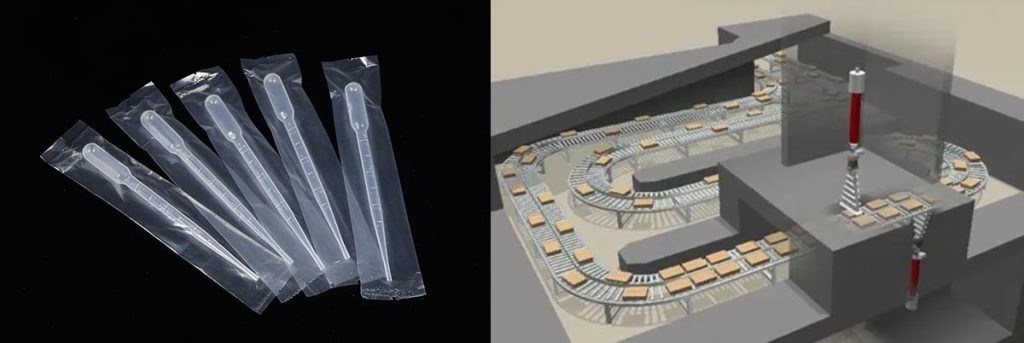
E-beam sterilization protects sensitive polymers by delivering energy quickly and minimizing material damage. This method supports the durability and safety of PPE and medical devices. Careful selection of sterilization methods ensures product integrity. Future advances include supercritical CO2 sterilization, which uses low temperatures and deep penetration, and innovations in polymer design and biomaterials. These developments promise safer, more effective solutions for healthcare and industry.
FAQ
What Makes Electron Beam Sterilization Suitable for Polypropylene-Based PPE?
Electron beam sterilization works well for polypropylene-based PPE. The process uses high-energy electrons to sterilize quickly. Polypropylene resists degradation during this short exposure. This method helps maintain the strength and filtration efficiency of PPE, including n95 respirators and n95 masks.
How Does Electron Beam Sterilization Affect N95 Respirators?
Electron beam sterilization preserves the filtration performance of n95 respirators. The process uses electrons to sterilize without causing significant degradation. Polypropylene fibers in n95 respirators keep their structure. This method supports safe reuse of n95 and other PPE.
Can Electron Beam Sterilization Be Used on Polyester PPE?
Electron beam sterilization can treat polyester PPE. Polyester resists degradation from electrons. The process maintains the flexibility and durability of polyester-based PPE. Many manufacturers use this method for both polyester and polypropylene products, including n95 respirators and surgical masks.
Why Do Manufacturers Prefer Electron Beam Sterilization for Polypropylene PPE?
Manufacturers choose electron beam sterilization for polypropylene PPE because it limits degradation. The process uses electrons for a short time, which protects the material. Polypropylene in n95 respirators and other PPE keeps its filtration and mechanical properties after sterilization.
Does Electron Beam Sterilization Cause Degradation in PPE Materials?
Electron beam sterilization causes less degradation in PPE materials than other methods. Polypropylene and polyester maintain their properties. N95 respirators and other PPE keep their effectiveness. The process uses electrons to sterilize quickly, which helps preserve the structure of sensitive materials.