


Electron beam technology provides a reliable solution for dental sterilization. Dental professionals use electron beam technology to destroy harmful microorganisms on instruments. Electron beam technology operates through high-energy electrons, which penetrate surfaces and ensure thorough sterilization. Clinics adopt electron beam technology to reduce risk and improve safety for patients. Electron beam technology offers rapid results, protecting equipment without heat damage.
- Electron beam technology supports sustainable practices and reduces chemical waste.
- Dental teams benefit from electron beam through enhanced workflow and consistent outcomes.
Key Takeaways
- Electron beam technology sterilizes dental instruments quickly and effectively, ensuring safety for patients and staff.
- This method operates at low temperatures, preserving the integrity of sensitive materials without heat damage.
- Electron beam sterilization eliminates chemical residues, making it an eco-friendly choice for dental practices.
- Clinics benefit from improved workflow efficiency, allowing for rapid processing and turnaround of sterile instruments.
- Investing in electron beam systems can lead to long-term savings and enhanced infection control in dental settings.
Electron Beam Technology in Dentistry
How Does It Work?
Electron beam irradiation equipment forms the core of modern dental sterilization systems. The technology relies on high-energy electrons to eliminate microorganisms quickly and efficiently. The main components of an electron beam system include:
- Electron gun: Generates electrons for acceleration.
- Accelerator tube: Maintains a vacuum, allowing electrons to travel without scattering.
- Electromagnets: Focus and direct the electron beam for precise sterilization.
- Control systems: Regulate the energy, focus, and direction of the beam.
Operators heat a filament inside the electron gun to produce electrons. A high-voltage electric field accelerates these electrons to nearly the speed of light. The electrons then travel through the vacuum in the accelerator tube, maintaining their energy and precision. Electromagnets guide the electrons, creating a focused beam for electron beam irradiation. This process ensures thorough sterilization without the use of harmful chemicals.
Applications
Dental clinics use electron beam sterilization for a variety of instruments and materials. The technology proves especially effective for gutta-percha cones, which play a key role in root canal procedures. Electron beam irradiation breaks DNA chains in bacteria, leading to complete sterilization. Researchers continue to study the effects of beta radiation on gutta-percha polymers to ensure optimal results. Dental professionals also apply electron beam irradiation to other sensitive materials that require low-temperature sterilization.
Safety Features
Electron beam sterilization offers several safety advantages. The process does not leave chemical residues, reducing risks for patients and staff. Electron beam irradiation equipment includes control systems that monitor energy levels and exposure times, ensuring consistent safety standards. However, dental literature highlights some concerns:
Concerns regarding electron beam sterilization include the formation of free radicals and the potential degradation of materials, particularly calcium phosphate cements. Studies have shown that sterilization can lead to undesirable changes in material properties, such as a decrease in molecular weight and viscosity due to polymer scission. For instance, research indicated that the viscosity of an injectable composite calcium phosphate cement dropped significantly after irradiation, attributed to a decrease in molecular weight.
Dental teams must evaluate material compatibility and monitor equipment performance to maintain safety and effectiveness.
Electron Beam Sterilization: Mechanism and Benefits
DNA Disruption
Electron beam sterilization destroys microorganisms by targeting their DNA. High-energy electrons collide with microbial DNA, breaking molecular bonds and stopping reproduction. This direct molecular damage prevents bacteria and spores from surviving on dental instruments. The process also generates reactive molecules, such as free radicals, which further damage cellular components and disrupt metabolic activity. Researchers found that electron beam sterilization inactivates Bacillus pumilus spores as effectively as other irradiation methods. All irradiation technologies, including electron beam sterilization, showed equal effectiveness across a range of doses from 1 to 6 kGy. The D-values, which measure the dose required to reduce microbial populations, remained comparable among different methods.
Electron beam sterilization uses free radicals created by radiation to damage DNA directly. Autoclave sterilization relies on moist heat to denature proteins and disrupt cell structures, which indirectly affects DNA. Chemical sterilization methods, such as ethylene oxide and hydrogen peroxide, target cellular components through chemical reactions rather than direct radiation effects.
Radiation sterilization methods, including electron beam sterilization, employ accelerated electrons to penetrate materials and inactivate microorganisms. This process forms free radicals that react with macromolecules, damaging cellular DNA and resulting in cell death. The mechanism stands apart from heat and chemical methods, offering a unique approach to sterilization in dental settings.
Low-Temperature Process
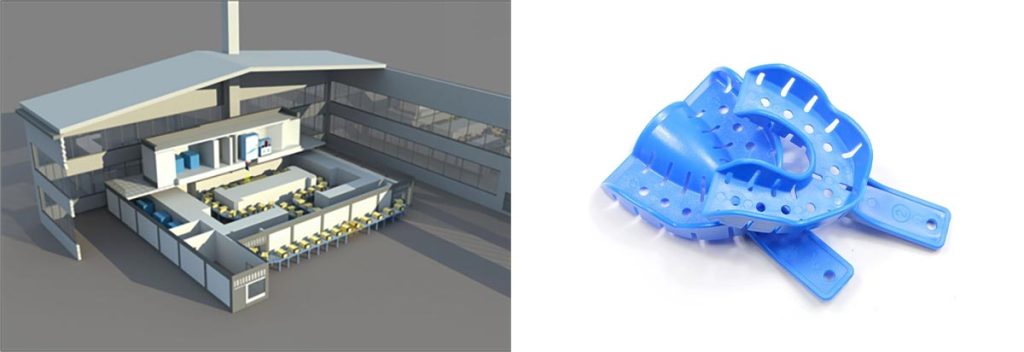
Electron beam sterilization operates at low temperatures, making it ideal for sensitive dental materials. The process maintains ambient or even sub-zero temperatures, with minimal temperature increases during treatment. Dental professionals choose electron beam sterilization for instruments and materials that cannot withstand the high temperatures of traditional heat-based sterilization methods.
- Traditional heat-based sterilization methods, such as autoclaving, require temperatures between 121°C and 132°C.
- Electron beam sterilization works under tightly controlled parameters, typically without causing significant temperature rises.
- Ionizing radiation, including electron beam sterilization, is classified as a low-temperature sterilization method.
- This method proves effective for various medical products without significant temperature changes.
A low-temperature process preserves the integrity of dental instruments and materials. Dental teams avoid heat damage and maintain the performance of sensitive items. Electron beam sterilization supports workflow efficiency and reduces the risk of material degradation.
Eco-Friendly Approach
Electron beam sterilization offers an eco-friendly solution for dental practices. The process eliminates the need for chemical agents, reducing hazardous waste and environmental impact. Dental clinics benefit from a clean process that does not leave chemical residues on instruments. Electron beam sterilization supports sustainability by minimizing resource consumption and waste generation.
| Feature | Electron Beam Sterilization | Chemical Sterilization | Heat-Based Sterilization |
|---|---|---|---|
| Chemical Residues | None | Present | None |
| Temperature | Low | Ambient | High |
| Waste Generation | Minimal | Significant | Minimal |
| Environmental Impact | Low | High | Moderate |
| Safety for Staff/Patients | High | Moderate | High |
Dental professionals value electron beam sterilization for its safety and environmental benefits. The technology aligns with modern standards for infection control and sustainability. Clinics that adopt electron beam sterilization contribute to a safer and greener healthcare environment.
Practical Considerations for Dental Professionals
Equipment and Costs
Dental clinics considering electron beam technology for medical device sterilization must evaluate equipment requirements and initial investment. Electron beam systems require specialized machinery, such as medical linear accelerators, which represent a substantial upfront cost. The cost of sterilization is typically calculated per cubic foot, with prices ranging from $1.25 for larger volumes to $4.20 for smaller ones. Maintenance expenses mainly stem from labor, as skilled technicians handle most service tasks. Strategic planning for maintenance can help reduce these costs over time.
- The lifespan of electron beam sterilization equipment usually falls between 10,000 and 25,000 hours before failure.
- Systems can operate for more than 7,000 hours each year.
- Maintenance typically takes less than eight hours per week, and unscheduled downtime remains below five percent.
Clinics investing in electron beam systems often find that long-term savings offset the initial expense. Improved precision and reduced material waste contribute to cost-effectiveness. Compared to autoclave or chemical sterilization systems, electron beam technology offers more efficient operational costs and less reliance on hazardous materials.
| Sterilization Method | Initial Investment Costs | Operational Costs |
|---|---|---|
| E-beam Sterilization | Substantial due to equipment | More cost-effective, lower dependency on radioactive materials |
| Autoclave/Chemical Systems | Varies, includes chemicals | Higher due to handling and disposal of chemicals or radioactive materials |
Regulatory Compliance
Dental professionals must ensure that electron beam sterilization meets all relevant standards for medical device sterilization. Clinics must comply with iso and fda standards, which set strict requirements for safety and effectiveness. Regulatory agencies require documentation of sterilization cycles, equipment calibration, and process validation. Adhering to these standards helps clinics maintain operational flexibility and ensures that medical devices remain safe for patient use.
Tip: Clinics should regularly review updates to iso and fda standards to stay compliant and avoid regulatory issues.
Workflow Integration
Electron beam sterilization supports rapid processing and fast turnaround for dental instruments. The technology processes items in minutes, unlike traditional methods that may require hours or days. Clinics benefit from the absence of chemical residues and the elimination of lengthy quarantine periods. Staff can process and use medical devices on the same day, improving workflow efficiency.
- Electron beam systems integrate smoothly into existing sterilization routines.
- Dental teams experience fewer delays and can maintain a steady supply of sterile instruments.
- The technology enhances infection control while supporting high patient throughput.
Electron beam sterilization offers a reliable solution for clinics seeking efficient medical device sterilization and streamlined operations.
Conclusion
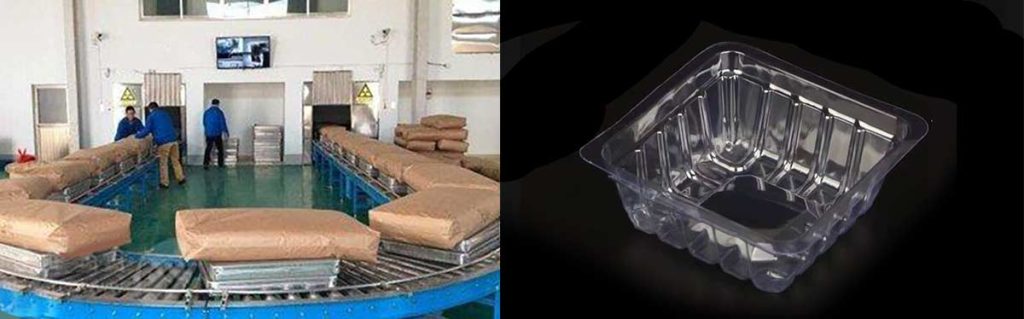
Electron beam sterilization offers dental practices clear advantages in safety, efficiency, and environmental responsibility. The table below highlights key benefits:
| Advantage | Description |
|---|---|
| Speed and Efficiency | EBS works much faster than many other sterilization methods, supporting efficient inventory management. |
| Environmental Friendliness | This method avoids harmful carcinogenic gases or radioactive materials, making it safer for the environment. |
| Precise and Controlled Dosing | The dosing of electron beams is precise and consistent, effectively sterilizing without damaging products. |
| Flexibility | EBS can sterilize products in their original packaging, reducing handling and contamination risk. |
Dental professionals see strong results in infection control and workflow. Looking ahead, several trends shape the future of dental sterilization:
- Clinics increasingly adopt advanced sterilization technologies.
- Innovations in equipment and practices respond to regulatory and safety demands.
- Infection control remains a top priority as awareness of cross-contamination grows.
Electron beam technology stands ready to meet the evolving needs of dental care.
FAQ
What Makes Electron Beam Sterilization Different From Traditional Methods?
Electron beam sterilization uses high-energy electrons to destroy microorganisms. This method avoids heat and chemicals. Dental professionals see faster results and less material damage. Clinics value the process for its speed and ability to maintain instrument quality.
Can Electron Beam Technology Be Used for Pharmaceutical Sterilization?
Yes. Electron beam technology works for pharmaceutical sterilization as well as dental applications. The process ensures that medical and pharmaceutical products remain free from harmful microorganisms. Many industries trust this method for its effectiveness and safety.
How Does Electron Beam Sterilization Ensure Sterility Assurance?
Operators monitor every sterilization cycle with precise controls. The system tracks dose and exposure time. These steps guarantee sterility assurance for dental instruments. Clinics can trust the process to meet strict infection control standards.
Is Electron Beam Sterilization Safe for All Dental Materials?
Most dental materials tolerate electron beam sterilization. However, some sensitive items may experience changes. Dental teams should check manufacturer guidelines and test new materials. This step helps maintain safety and performance.
What Are the Main Benefits for Dental Clinics?
Dental clinics benefit from rapid turnaround, reduced chemical waste, and improved workflow. The technology supports high patient throughput. Clinics also see consistent sterilization results and enhanced infection control.