


The unit cost of e-beam sterilization results from dividing total operational expenses by the volume of processed items. Key cost components include:
- Material expenses
- Energy consumption
- Equipment investment
- Labor and training fees
Understanding the cost breakdown helps managers control expenses and improve efficiency. This section provides actionable strategies for optimizing each area.
Key Takeaways
- Understanding unit cost calculations helps managers make informed decisions. Regular reviews can identify inefficiencies early.
- Key cost factors include material, energy, equipment, and labor. Each component significantly impacts overall expenses.
- Optimizing throughput and batch size reduces costs. Efficient scheduling minimizes downtime and maximizes productivity.
- Logistics management is crucial. Streamlining shipping and packaging can lead to significant savings in operational costs.
- Compliance and validation studies are necessary. Standardizing protocols can help manage costs while ensuring product safety.
Cost Breakdown Basics
Unit Cost Calculation
A clear understanding of unit cost helps managers make informed decisions. The standard formula for calculating the unit cost in e-beam processing divides the total net cost by the number of processed parts. Many facilities also use annual operating expenses divided by annual production volume. This approach gives a straightforward view of how much each item costs to sterilize or treat.
Tip: Regularly reviewing unit cost calculations allows teams to spot inefficiencies early and adjust operations for better results.
Key Cost Factors
Several main components shape the cost breakdown for e-beam processing. Each factor plays a unique role in the overall process:
| Cost Type | Description |
|---|---|
| Material Costs | E-beam coatings are generally more expensive than solvent-borne coatings based on dry film weight. |
| Energy Costs | Energy savings from switching to e-beam processing can offset higher material costs. |
| Equipment Costs | Significant capital costs are associated with e-beam technology. |
| Labor Costs | Recurring costs, including maintenance, should be factored into the overall cost analysis. |
- High capital investment requirements often present the largest hurdle. An industrial-scale electron beam accelerator can cost between $2-5 million. This level of investment may discourage small and medium enterprises from adopting the technology.
- Maintenance and operational costs remain high. Facilities must budget for ongoing calibration, repairs, and skilled personnel training. These recurring expenses can make e-beam less attractive compared to other sterilization methods.
- Regional differences affect the cost breakdown. For example, the Asia Pacific region, with its strong consumer electronics sector, drives demand for semiconductor manufacturing equipment. This demand influences the cost structure of e-beam processing technologies in those markets.
- Regulatory variability across regions can increase compliance costs by 15-20%. Multinational operators must navigate different standards, which complicates market entry and raises expenses.
- Workforce skill gaps, especially in emerging markets, add to the cost breakdown. A shortage of qualified radiation technicians leads to higher spending on staffing and training. E-beam training involves multiple steps and requires more time than simpler equipment. Facilities face a trade-off between training operators quickly and ensuring long-term efficiency. Rushed training may result in higher costs later due to mistakes or inefficiencies.
A thorough cost breakdown helps managers identify which areas need attention. By understanding each factor, teams can target improvements and optimize the process for better financial outcomes.
E-Beam System and Equipment Cost
Machine Hourly Rate
Equipment costs play a major role in e-beam pricing. Facilities using electron beam irradiation equipment must consider both capital investment and ongoing operational expenses. The machine hourly rate varies depending on who operates the system. User-operated systems typically charge $90 per hour, while staff-operated systems reach $180 per hour. The following table shows the typical rates for 2025:
| User Type | Write-time Charge |
|---|---|
| User-operated | $90/hour |
| Staff-operated | $180/hour |
Lower hourly rates can help reduce overall sterilization costs, especially for high-volume operations. Facilities that optimize dose delivery and minimize downtime achieve better cost control. Rapid dose application also increases throughput, which lowers the per-unit cost in the radiation sterilization.
System Specifications
System specifications such as voltage, beam width, and power consumption directly affect the cost of electron beam irradiation equipment. Power consumption depends on the accelerator’s kilowatt rating. Smaller in-line systems operate at about $4 per hour, while larger systems cost between $15 and $20 per hour. Stable, clean electrical power is essential for consistent dose delivery. Voltage fluctuations can disrupt the e-beam and impact process reliability.
- Power consumption links directly to the accelerator’s kilowatt power.
- Smaller systems offer lower operating costs, while larger systems require more energy.
- Stable voltage ensures reliable dose application.
Compact e-beam systems provide efficiency and cost-effectiveness. These designs allow facilities to scale operations and adjust dose levels without significant overhead. The table below highlights the cost characteristics of e-beam compared to other technologies:
| System Type | Cost Characteristics |
|---|---|
| E-Beam | Cost-effective for large-scale operations due to high throughput and continuous processing, resulting in lower per-unit costs for high-volume production. |
| HPP | Typically more expensive due to batch processing, higher equipment costs, and longer cycle times. |
Advancements in e-beam technology have improved efficiency and reduced energy consumption. Modern systems deliver precise dose control, rapid processing, and lower sterilization costs. Facilities benefit from modular designs that support scalability and stable costs. E-beam sterilization eliminates the need for consumable chemicals and avoids isotope-related expenses, further reducing the total cost of ownership.
Process Efficiency & Logistics
Throughput & Batch Size
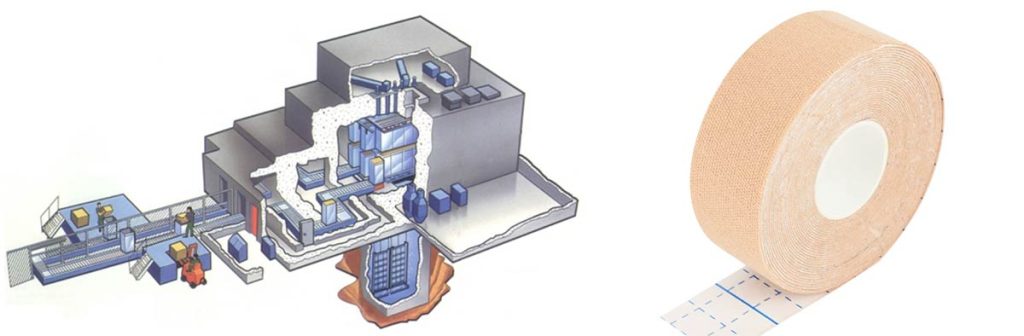
Facilities that use e-beam technology often focus on maximizing throughput and optimizing batch size. Higher throughput means more items receive the required dose in less time. When managers schedule batches efficiently, they reduce downtime and keep the process running smoothly. Large batch sizes allow facilities to spread fixed costs over more units, which lowers the unit cost. Operators monitor dose delivery to ensure each item receives the correct amount. If the dose varies, some products may require reprocessing, which increases expenses. Teams that maintain consistent dose application avoid costly delays and improve overall process efficiency.
Tip: Facilities should track dose uniformity and adjust conveyor speed to match the required dose for each product type.
Shipping & Packaging
Logistics play a critical role in the total cost of e-beam processing. Shipping and packaging expenses can add up quickly, especially for high-volume operations. Facilities that control transportation costs and streamline packaging processes see significant savings. Efficient packaging reduces material use and lowers the weight of shipments, which decreases shipping fees. Advanced logistics management software helps teams track inventory and shipments, preventing bottlenecks that can disrupt dose scheduling.
| Strategy | Description |
|---|---|
| Optimizing Transportation Costs | Reducing costs associated with the movement of goods through better route planning and load optimization. |
| Improving Packaging Efficiency | Streamlining packaging processes to minimize material use and reduce weight, leading to lower shipping costs. |
| Leveraging Technology | Utilizing advanced logistics management software to enhance tracking, inventory management, and overall efficiency. |
- Facilities control transportation expenses while ensuring reliable deliveries.
- Teams prevent bottlenecks associated with sterilization constraints through better logistics management.
Managers who invest in logistics optimization support consistent dose delivery and maintain a steady process flow. These strategies help facilities reduce overall costs and improve the reliability of e-beam sterilization.
Validation & Compliance Cost
Regulatory Studies
Validation studies form a critical part of the e-beam sterilization. Facilities must complete several studies to confirm that the dose delivered meets regulatory standards. The initial dose map and three follow-up validation studies cost about $2,500 in 2025. These studies ensure that each product receives the correct dose and that the process remains consistent over time.
- Initial dose mapping
- Three subsequent validation studies
- Total estimated cost: $2,500
Regulatory compliance also affects operational expenses. The elimination of solvents in e-beam processing reduces the need for dedicated compliance staff. This change lowers labor costs and streamlines operations. Regulatory agencies, such as the FDA and EMA, require strict adherence to sterilization standards. Companies must regularly update their processes to meet evolving safety protocols. Smaller organizations may see increased costs as they adapt to these requirements. By using electron beam inks and coatings, companies avoid the extra costs linked to solvent management and chemical hazard reports.
Note: Regular validation and compliance checks help facilities avoid costly rework and regulatory penalties.
Product Requirements
Product-specific requirements can increase validation and compliance costs. Each product may need unique testing to ensure compatibility with the e-beam process and the correct dose application. The following table outlines common requirements:
| Requirement | Description |
|---|---|
| Materials Testing | Tests product samples for compatibility with e-beam sterilization and determines the maximum dose. |
| Product Dose Map | Measures dose distribution within a product case using dosimeters to find minimum and maximum doses. |
| Sterilization Dose Audits | Conducts regular audits to ensure compliance with ANSI/AAMI/ISO 11137 standards. |
Facilities can manage these costs by standardizing validation protocols and using automated dose mapping tools. Investing in staff training also reduces errors during the process. By focusing on efficient dose delivery and compliance, companies maintain product safety while controlling expenses.

Conclusion
Understanding the cost breakdown of e-beam processing helps manufacturers make smart decisions. The table below shows the main cost components that drive unit cost:
| Cost Component | Impact on Unit Cost |
|---|---|
| Machine Productivity | Major driver |
| Build Time | Significant factor |
| Energy Consumption | Critical element |
Effective strategies include improving product cleanliness, designing packaging for efficient dose absorption, and increasing consistency. Manufacturers should review their own processes, consider post-processing expenses, and work closely with e-beam service to optimize costs. As demand grows, those who understand these factors will manage expenses better in 2025.
FAQ
What Factors Most Affect E-Beam Processing Costs?
Material, energy, equipment, and labor costs shape the total expense. Machine productivity and batch size also play major roles. Facilities that optimize these areas see lower unit costs.
How Can Facilities Reduce Energy Consumption?
Facilities can use compact e-beam systems and maintain stable voltage. Regular equipment maintenance helps reduce energy waste. Efficient scheduling and batch processing also lower energy use.
Is E-Beam Sterilization Safe for All Products?
E-beam sterilization works well for many medical devices and packaging materials. Some sensitive products may need special testing. Facilities should check product compatibility before processing.
What Are Common Compliance Requirements?
Regulatory agencies require dose mapping, validation studies, and regular audits. Facilities must follow standards like ANSI/AAMI/ISO 11137. Automated tools and staff training help meet these requirements.
Does Batch Size Impact Cost Efficiency?
Larger batch sizes spread fixed costs over more units. This lowers the cost per item. Facilities that maximize throughput achieve better cost efficiency.