


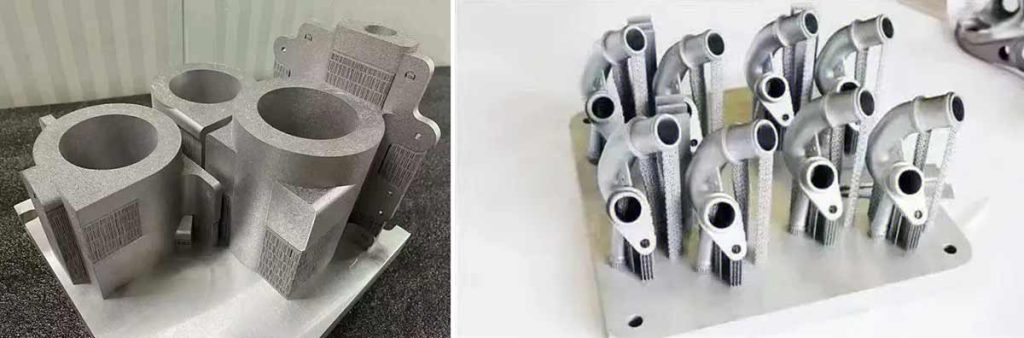
Metal binder jetting 3D printer offers a revolutionary approach to manufacturing by significantly reducing material waste. This process applies metal powder only where needed, ensuring precise material deposition. Unlike traditional methods, binder jetting 3D printing eliminates the need for extensive cutting or machining, which often generates excess waste. Additionally, up to 96% of unused powder can be recovered and reused multiple times, making it a highly efficient option.
Binder jetting leads to a 38% reduction in greenhouse gas emissions compared to traditional casting methods. Its lower energy demand further enhances sustainability, making it a preferred choice for eco-conscious industries.
| Metric | Binder Jetting | Traditional Manufacturing |
|---|---|---|
| Greenhouse Gas Emissions Reduction | 38% | N/A |
| Material Efficiency | 96% (reusable 16 times) | N/A |
This innovative 3D printing process not only reduces waste but also supports sustainability by minimizing the environmental impact of manufacturing.
Key Takeaways
- Metal binder jetting 3D printing uses metal powder only where needed. This helps save materials and resources.
- About 99% of leftover powder can be reused, making it eco-friendly for factories.
- This method cuts greenhouse gas emissions by 38% compared to old casting ways. It helps protect the environment.
- Binder jetting creates complex shapes without needing many support parts. This improves design options.
- Reusing powder many times reduces costs and waste removal fees. This makes it a smart and affordable choice.
The Metal Binder Jetting 3D Printing Process
How the Process Works?
Layer-by-Layer Deposition of Metal Powder
Binder jetting 3D printing begins with a digital model of the desired part. The process involves spreading a thin layer of metal powder, typically 50 microns thick, across the build platform. A recoating blade or roller ensures even distribution. This layer-by-layer approach allows for precise material placement, minimizing waste and enhancing efficiency.
- A thin layer of powder is spread over the platform.
- Inkjet nozzles selectively deposit a binding agent onto the powder.
- The platform lowers, and the process repeats until the part is complete.
This additive manufacturing method eliminates the need for cutting or machining, which are common in traditional manufacturing processes.
Selective Application of Binder to Create the Desired Shape
The binder acts as an adhesive, holding the powder together to form the part’s shape. Inkjet nozzles deposit the binder only in areas specified by the digital model. This selective application ensures that material is used efficiently, reducing waste. Organic binders, such as polymer-based materials, are commonly used for their ease of removal during post-processing.
The precision of binder jetting allows for the creation of complex geometries without the need for extensive support structures.
Materials Used in Binder Jetting
Metal Powder as the Primary Material
Metal binder jetting 3D printer utilizes a variety of metal powders, each chosen for its specific properties. Common options include stainless steel, titanium, and aluminum. These materials offer excellent strength, corrosion resistance, and lightweight properties, making them ideal for industries like aerospace and automotive.
| Metal Powder | Properties | Applications |
|---|---|---|
| Stainless Steel | High strength, corrosion resistance | Engine components, body panels |
| Titanium | Lightweight, biocompatible | Prosthetic implants, suspension parts |
Binder as the Adhesive Agent
Binders play a crucial role in the manufacturing process. Organic binders, such as wax-based materials, provide effective adhesion at lower temperatures. Inorganic binders, like ceramic-based options, offer enhanced stability for high-temperature applications. The choice of binder depends on the material and the intended use of the part.
Post-Processing in Binder Jetting
Sintering to Solidify the Part
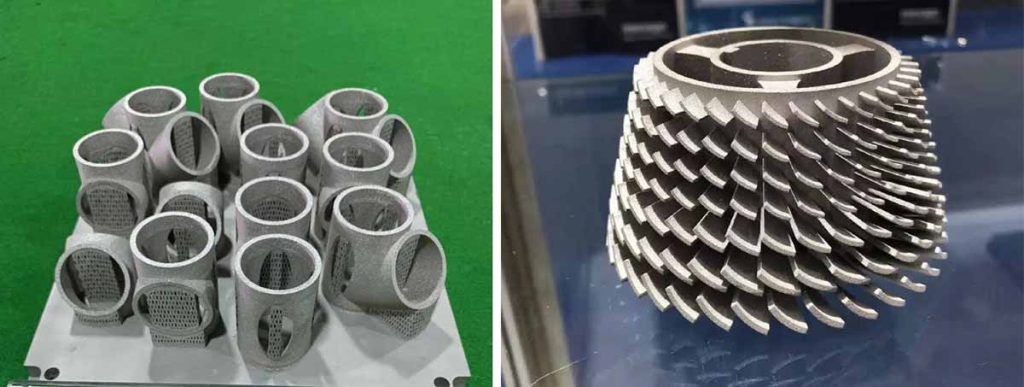
After printing, the “green” part undergoes sintering. This process involves heating the part below its melting point to fuse the metal particles together. Sintering improves the part’s density and mechanical strength while eliminating internal porosity.
Recovery and Reuse of Excess Powder
Binder jetting 3D printing excels in material efficiency. Unused powder from the build platform is collected, sieved, and reused in future builds. Up to 99% of the powder can be recovered, ensuring minimal waste and cost savings.
The ability to recycle powder multiple times without significant degradation makes binder jetting a sustainable choice in additive manufacturing.
Mechanisms for Minimizing Material Waste
Precise Material Deposition
Powder Is Applied Only Where Needed
Binder jetting 3D printing applies metal powder with exceptional precision. The process deposits powder only in areas specified by the digital model, ensuring no excess material is wasted. This targeted approach enhances efficiency and reduces costs for manufacturers.
- Multiple iterations of a single part can be produced in one print, saving time and resources.
- The elimination of support structures further minimizes material waste and post-processing efforts.
- Up to 99% of stray powder can be recycled, contributing to significant material savings.
This precision not only reduces material waste but also allows companies to optimize production costs and improve sustainability.
Eliminates Excess Material Removal, Unlike Subtractive Methods
Unlike traditional subtractive manufacturing, which removes material from a larger block, binder jetting builds parts layer by layer. This additive process eliminates the need for cutting or machining, which often generates scrap material. By using only the required amount of powder, binder jetting ensures efficient material usage and reduces waste.
Recycling of Unused Powder
Up to 99% of Unused Powder Can Be Recovered and Reused
Binder jetting excels in recycling unused powder. After each print, the unbound powder is collected, sieved, and prepared for reuse. This capability allows manufacturers to recover up to 99% of the powder, ensuring minimal waste.
| Metric | Value |
|---|---|
| Reuse cycles of metal powder | At least 16 times |
| Overall material efficiency | 96% |
Minimal Degradation of Powder Quality Over Multiple Cycles
The quality of the recycled powder remains consistent over multiple reuse cycles. This ensures that manufacturers can maintain high-quality production standards while reducing raw material consumption. The ability to reuse powder repeatedly makes binder jetting 3D printing a sustainable and cost-effective solution.
Reduced Support Structures
Complex Designs Without Extensive Supports
Binder jetting supports intricate designs without requiring additional support structures. The unbound powder in the build chamber naturally supports overhanging features and complex geometries. This capability eliminates the need for extra material, reducing waste and enhancing design flexibility.
- Intricate internal geometries, such as honeycomb patterns, can be created to improve functionality.
- Lightweight lattice structures are commonly used in aerospace components to optimize performance while minimizing weight.
- Parts with conformal cooling channels enhance heat dissipation and strength-to-weight ratios.
Simplifies Post-Processing and Material Recovery
The absence of support structures simplifies post-processing. Loose powder supports the parts during printing, eliminating the need for time-consuming removal of supports. This not only saves material but also allows for denser nesting of parts, maximizing production efficiency.
Binder jetting enables the creation of highly complex geometries that traditional methods struggle to achieve. This process reduces material waste while offering unparalleled design flexibility.
Comparing Binder Jetting 3D Printing to Other Methods
Binder Jetting vs. Powder Bed Fusion
Lower Energy Consumption in Binder Jetting
Binder jetting 3D printing consumes significantly less energy compared to powder bed fusion. Powder bed fusion relies on high-powered lasers or electron beams to melt and fuse materials, which demands substantial energy. In contrast, binder jetting uses a binding agent to adhere metal powder, eliminating the need for energy-intensive melting. This makes binder jetting a more energy-efficient additive manufacturing process.
Higher Recyclability of Materials
Binder jetting excels in material recyclability. Unused powder from the build chamber can be recovered and reused multiple times with minimal degradation. Powder bed fusion, however, often experiences material degradation due to exposure to high temperatures during the process. Binder jetting’s ability to maintain material quality over several cycles enhances its efficiency and sustainability.
Binder Jetting vs. Fused Deposition Modeling (FDM)
No Filament Spools or Support Material Waste
Unlike FDM, binder jetting does not rely on filament spools or additional support materials. FDM often generates waste from support structures and leftover filament. Binder jetting eliminates this issue by using unbound powder to support parts during printing. This reduces material waste and simplifies post-processing.
Greater Precision and Material Efficiency
Binder jetting offers superior accuracy and material efficiency compared to FDM. The process deposits powder layer by layer with high precision, enabling the creation of intricate geometries. FDM, on the other hand, struggles with fine details and often requires additional material for supports. Binder jetting’s precise material deposition ensures minimal waste and optimal use of resources.
Binder Jetting vs. Traditional Manufacturing
Eliminates Cutting and Machining Waste
Binder jetting eliminates the need for cutting and machining, which are common in traditional manufacturing methods. This process builds parts layer by layer, minimizing material usage and waste.
- Binder jetting reduces waste by avoiding extensive machining operations.
- The process supports complex geometries without requiring additional support structures.
- Fewer processing steps lead to lower production costs and improved efficiency.
Drastically Reduces Scrap Material
Traditional manufacturing often generates significant scrap material due to subtractive processes like milling and drilling. Binder jetting drastically reduces scrap by using only the required amount of powder. The ability to recycle unused powder further enhances its sustainability.
| Key Takeaway | Description |
|---|---|
| Significant Reduction in Greenhouse Gas Emissions | Binder jetting shows a 38% reduction in GHG emissions compared to traditional casting methods. |
| Cost-Effectiveness | Binder jetting is a cost-effective option, especially for complex geometries. |
| Design Freedom | Enables intricate designs that are difficult to achieve with traditional methods. |
Binder jetting 3D printing demonstrates clear advantages over traditional manufacturing, offering a more sustainable and efficient solution for producing complex parts.
Environmental and Economic Benefits of Metal Binder Jetting
Environmental Advantages
Lower Carbon Footprint Due to Reduced Waste
Binder jetting 3D printing significantly reduces the environmental impact of manufacturing. This process minimizes waste by using only the required amount of material and recycling unused powder. Compared to traditional casting methods, binder jetting achieves a 38% reduction in greenhouse gas emissions. Its lower energy demand further enhances sustainability, making it an eco-friendly choice for industries aiming to reduce their carbon footprint.
The energy mix at manufacturing facilities plays a crucial role in determining greenhouse gas emissions. Facilities powered by renewable energy sources can amplify the environmental benefits of binder jetting.
Sustainable Use of Raw Materials
The sustainable use of raw materials is a cornerstone of binder jetting 3D printing. This process ensures up to 96% material efficiency by recycling metal powder at least 16 times. The ability to reuse powder without significant degradation reduces raw material consumption and waste disposal needs.
| Evidence Type | Details |
|---|---|
| Significant Reduction in GHG Emissions | The binder jetting process shows a 38% reduction in greenhouse gas emissions compared to traditional casting methods. |
| Energy Demand Impact | The lower energy demand of binder jetting is a critical factor in achieving overall sustainability. |
Economic Benefits
Cost Savings from Reusing Powder
Binder jetting 3D printing offers substantial cost savings through its efficient use of materials. Manufacturers can reuse metal powder multiple times, reducing the need for new raw materials. This efficiency leads to lower production costs and supports large-volume production. The adoption of binder jetting has driven double-digit annual growth in additive manufacturing due to its cost advantages and sustainability benefits.
Reduced Expenses on Raw Materials and Waste Disposal
The ability to recycle powder up to 16 times directly correlates to reduced waste disposal expenses. Binder jetting eliminates the need for extensive support structures, further minimizing material waste. This streamlined manufacturing process reduces costs associated with raw material procurement and waste management, making it an economically viable option for industries.
- Material efficiency reaches 96%, significantly lowering production costs.
- The use of unbound powder as natural support reduces waste and enhances sustainability.
Industry Applications
Automotive and Aerospace Industries Leveraging Waste Reduction

Binder jetting 3D printing has transformed the automotive and aerospace sectors. This technology enables lightweighting of components, improving fuel efficiency and reducing material waste. Manufacturers use binder jetting to produce high-performance parts with optimized designs, such as lightweight fuselage skins and intricate landing gear components. On-demand manufacturing of spare parts further minimizes waste from overproduction.
- Lightweight fuselage skins enhance fuel efficiency while reducing material usage.
- Complex landing gear components maintain strength while optimizing material use.
Medical and Consumer Goods Sectors Adopting Binder Jetting for Sustainability
The medical and consumer goods industries have embraced binder jetting for its sustainability benefits. This technology allows for the creation of customized implants, prosthetics, and dental restorations with high accuracy. Patient-specific designs improve outcomes and reduce recovery times. In consumer goods, binder jetting supports the production of intricate, sustainable designs that align with modern environmental goals.
- Customized implants and prosthetics enhance fit and comfort.
- Patient-specific solutions improve recovery times and overall outcomes.
Binder jetting revolutionizes manufacturing across industries by combining sustainability with precision and efficiency.
Conclusion
Metal binder jetting 3D printer is transforming manufacturing by addressing material waste and sustainability challenges. Binder jetting 3D printing minimizes waste through precise material deposition and the ability to recycle up to 99% of unused powder. This process enables the creation of intricate designs without additional support structures, reducing post-processing time and costs.
- The technology supports rapid prototyping, allowing industries to iterate designs quickly.
- Its high accuracy and batch production capabilities lower per-part costs while maintaining quality.
- Ongoing advancements in materials and multi-material printing continue to expand its applications.
By combining efficiency, sustainability, and cost-effectiveness, binder jetting 3D printing stands out as a key innovation for the future of manufacturing.