


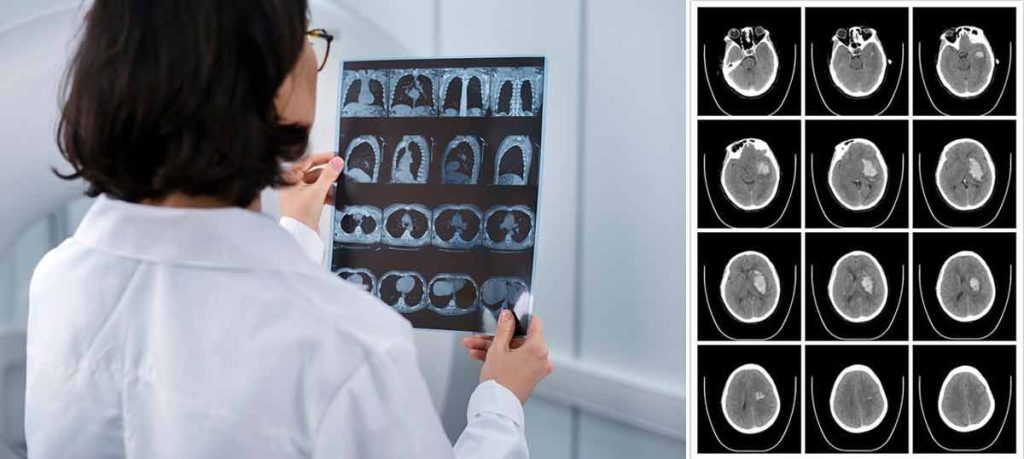
Coronary artery disease remains a significant global health concern, affecting millions each year. This condition develops when plaque accumulates in the arteries, restricting blood flow to the heart. Plaque, composed of calcium, fats, and other substances, builds up gradually over time, increasing the risk of severe cardiac events. Early detection is critical to managing this disease effectively. Electron beam computed tomography offers a groundbreaking solution. This advanced diagnostic test identifies coronary calcium deposits with precision, providing vital insights into the health of the arteries. Its non-invasive nature makes it a preferred choice for both patients and healthcare providers.
Key Takeaways
- EBCT offers unmatched accuracy in diagnosing coronary artery disease by detecting even the smallest signs of coronary artery calcification.
- This non-invasive imaging technique eliminates the need for invasive procedures, ensuring a safer and more comfortable experience for patients.
- With lower radiation exposure compared to traditional CT scans, EBCT prioritizes patient safety while delivering high-quality imaging.
- Early detection of coronary artery disease through EBCT allows for timely medical interventions, reducing the risk of severe cardiac events.
- EBCT supports preventive care by enabling healthcare providers to recommend lifestyle changes based on individual risk assessments.
- Advancements in EBCT technology, including the integration of artificial intelligence, promise to enhance diagnostic capabilities and personalize cardiac care.
- Expanding access to EBCT can transform cardiac diagnostics, particularly in underserved regions, improving overall patient outcomes.
EBCT: Providing Unmatched Accuracy in Coronary Artery Disease Diagnosis
Electron beam computed tomography stands out as a highly effective diagnostic test for coronary artery disease. Its ability to detect even the smallest signs of coronary artery calcification ensures precise and reliable results. This accuracy plays a crucial role in identifying risks and guiding treatment strategies.
High Sensitivity for Detecting Coronary Calcium
EBCT excels in detecting coronary artery calcification, a key marker of coronary artery disease. The technology’s high sensitivity allows it to identify calcium deposits in the arteries with remarkable precision. These deposits often indicate the presence of atherosclerosis, a condition that narrows the arteries and increases the risk of cardiac events.
Scientific Research Findings: Studies have shown that EBCT provides a predictive accuracy of approximately 70% in typical coronary artery disease patient populations. This makes it a valuable tool for both symptomatic and asymptomatic individuals.
Unlike traditional methods, EBCT captures detailed images of coronary calcium without requiring invasive procedures. This capability enables healthcare providers to assess the severity of coronary artery disease early, even before symptoms appear. By identifying high-risk patients, EBCT supports timely medical interventions that can prevent further complications.
Superior Imaging Quality with Electron Beam Technology
The advanced imaging capabilities of electron beam computed tomography set it apart from other diagnostic tools. Its electron beam technology produces high-resolution images of the arteries, offering unparalleled visualization of coronary arteries. This level of detail helps physicians detect high-grade coronary-artery stenoses, which are critical blockages that can lead to severe cardiac events.
Scientific Research Findings: EBCT was specifically designed for imaging the human heart. It delivers accurate and fast detection of coronary artery calcification while exposing patients to lower levels of ionizing radiation compared to conventional CT scans.
The superior imaging quality of EBCT enhances its diagnostic accuracy. It provides clear and detailed views of the arteries, enabling healthcare providers to evaluate the extent of coronary artery disease with confidence. Additionally, contrast-enhanced electron beam computed tomography further improves the visualization of coronary arteries, making it easier to identify and assess blockages.
By combining high sensitivity and exceptional imaging quality, EBCT offers unmatched diagnostic accuracy. Its ability to detect coronary artery calcification and visualize the arteries in detail makes it an indispensable tool in the fight against coronary artery disease.
EBCT: A Non-Invasive and Safe Diagnostic Tool
Electron beam computed tomography offers a groundbreaking approach to diagnosing coronary artery disease. Its design prioritizes patient comfort and safety, making it a preferred choice for those seeking a noninvasive method to assess their heart health. By eliminating the need for invasive procedures and minimizing radiation exposure, this diagnostic test ensures a safer and more accessible experience for patients.
Eliminating the Need for Invasive Procedures
Traditional methods for diagnosing coronary artery disease often involve invasive techniques, such as cardiac catheterization. These procedures require inserting a catheter into the arteries, which can cause discomfort and carry risks like bleeding or infection. Electron beam computed tomography eliminates these concerns by providing a noninvasive imaging technique that captures detailed images of the arteries without requiring any physical intrusion into the body.
The technology behind EBCT uses an electron beam directed at stationary tungsten targets. This innovative design allows for rapid imaging of the heart, which is constantly in motion. Unlike other diagnostic tools, EBCT does not rely on mechanically spun X-ray tubes, reducing the complexity of the procedure. Patients benefit from a quick and painless experience while still receiving accurate and reliable results.
Key Insight: EBCT’s ability to measure coronary artery calcium provides critical information about atherosclerosis. This noninvasive method helps predict coronary risk without subjecting patients to invasive procedures.
By offering a safer alternative to traditional diagnostic methods, EBCT empowers healthcare providers to evaluate coronary artery disease with greater ease and efficiency. Patients can undergo this diagnostic test with confidence, knowing it prioritizes their well-being.
Low Radiation Exposure for Patient Safety
Radiation exposure remains a significant concern in medical imaging. Many diagnostic tests, including conventional CT scans, expose patients to high levels of ionizing radiation, which can pose long-term health risks. Electron beam computed tomography addresses this issue by utilizing advanced technology that minimizes radiation emissions.
EBCT’s unique design, which lacks moving parts, enables faster scan times and reduces radiation exposure. Compared to multi-detector computed tomography (MDCT), EBCT delivers lower doses of radiation while maintaining exceptional imaging quality. This balance ensures that patients receive accurate diagnoses without unnecessary risks.
Scientific Comparison: EBCT, as a fifth-generation CT scanner, was specifically developed for imaging the heart. Its technological simplicity allows for rapid examinations at lower costs and with reduced radiation compared to MDCT.
The reduced radiation levels make EBCT a safer option for repeated imaging, especially for patients requiring ongoing monitoring of coronary artery disease. This feature enhances its value as a diagnostic test, ensuring patient safety remains a top priority.
By combining noninvasive imaging with low radiation exposure, EBCT sets a new standard in cardiac diagnostics. Its patient-centered approach makes it an ideal choice for individuals seeking a safe and effective method to assess their heart health.
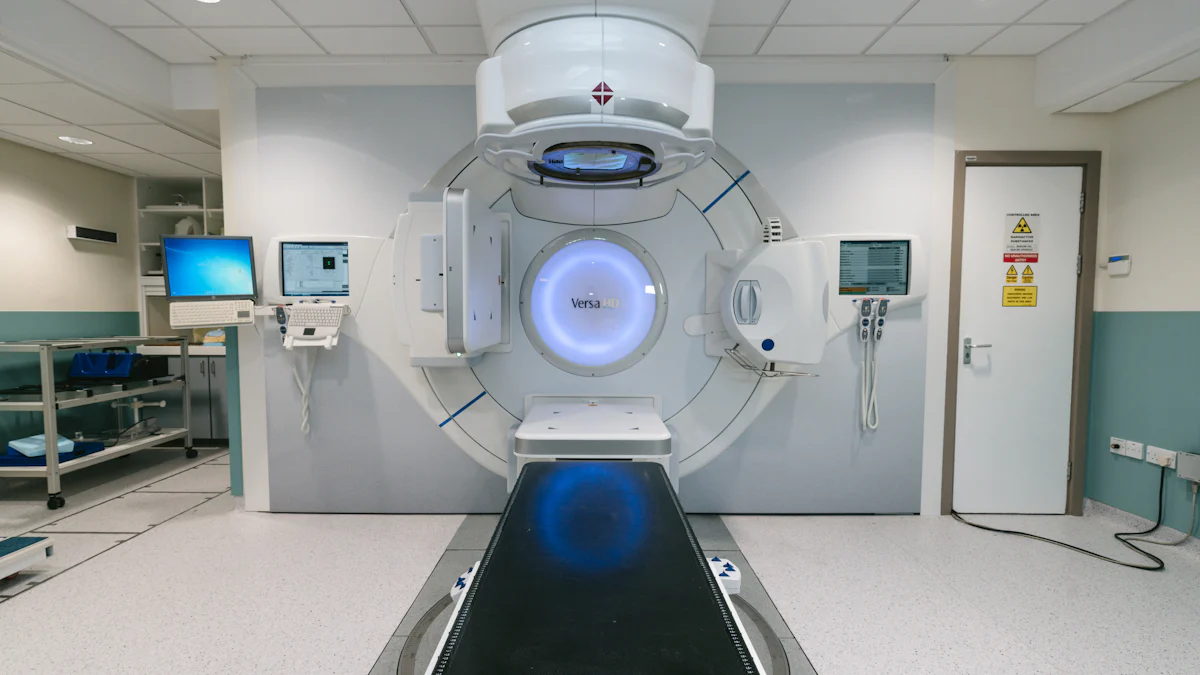
EBCT: Enabling Early Detection and Prevention of Coronary Artery Disease
Electron beam computed tomography offers a transformative approach to identifying coronary artery disease at its earliest stages. By detecting subtle changes in the arteries, this advanced imaging technique empowers healthcare providers to intervene before symptoms develop, reducing the risk of severe cardiac events.
Identifying CAD Before Symptoms Appear
Electron beam computed tomography excels in detecting coronary artery calcification, a critical marker of coronary artery disease. This diagnostic test identifies calcium deposits within the arteries with remarkable precision, even in asymptomatic individuals. These deposits often indicate the presence of atherosclerosis, which can lead to obstructive coronary artery disease if left untreated.
Scientific Research Findings: Studies highlight the role of EBCT in identifying subclinical coronary artery disease. It detects high-risk patients who may not yet exhibit symptoms, enabling early intervention and improved outcomes.
The ability to visualize coronary arteries in detail allows physicians to assess the extent of calcification and predict future risks. This early detection capability ensures that patients receive timely care, reducing the likelihood of complications such as heart attacks or strokes. Contrast-enhanced electron beam computed tomography further enhances the visualization of coronary arteries, providing a clearer picture of potential blockages or high-grade coronary-artery stenoses.
Supporting Preventive Care and Lifestyle Changes
Early detection through EBCT not only aids in diagnosis but also supports preventive care strategies. By identifying coronary artery calcification, healthcare providers can educate patients about their condition and recommend lifestyle changes to mitigate risks. These changes may include adopting a heart-healthy diet, increasing physical activity, and managing stress levels.
Key Insight: EBCT serves as a prognostic tool by measuring coronary risk. The association between coronary artery calcification and atherosclerosis underscores the importance of early intervention.
Regular imaging with electron beam computed tomography enables physicians to monitor disease progression and evaluate the effectiveness of treatments. This ongoing assessment helps patients stay informed about their heart health and encourages adherence to preventive measures. By prioritizing early detection and prevention, EBCT plays a vital role in reducing the burden of coronary artery disease.
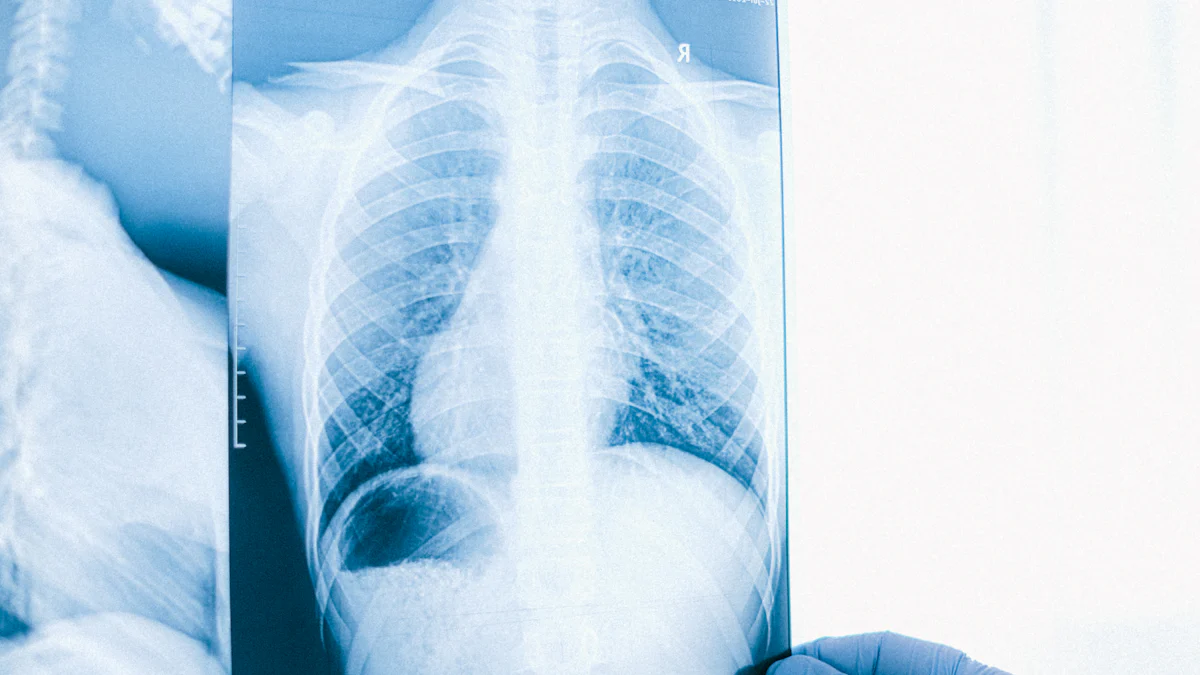
The Future of Electron Beam Computed Tomography in Cardiac Care
Advances in EBCT Technology
Electron beam computed tomography continues to evolve, offering new possibilities for cardiac care. Initially developed in the 1980s to image the human heart, this technology has undergone significant advancements. Its unique design, which eliminates moving parts, allows for rapid imaging of the heart. This innovation prevents blurring caused by the heart’s constant motion, ensuring precise results. Unlike traditional CT scanners, EBCT focuses on speed and accuracy, making it a specialized tool for detecting coronary artery calcium.
Modern developments have enhanced the diagnostic accuracy of EBCT. The integration of contrast-enhanced electron beam computed tomography has improved the visualization of coronary arteries. This advancement enables healthcare providers to identify high-grade coronary-artery stenoses with greater clarity. By capturing detailed images of the arteries, EBCT supports early detection and effective treatment planning for coronary artery disease.
Key Insight: EBCT’s simplicity and efficiency allow for faster examinations at lower costs compared to multidetector slice computed tomography (MDCT). This makes it an accessible option for both patients and healthcare providers.
As technology progresses, EBCT is expected to incorporate artificial intelligence and machine learning. These tools could further refine imaging techniques, enabling automated analysis of coronary artery calcification. Such innovations would enhance the predictive capabilities of this diagnostic test, paving the way for more personalized cardiac care.
Expanding Access to EBCT
Expanding access to electron beam computed tomography remains a priority in modern healthcare. Despite its benefits, EBCT is not as widely available as other imaging technologies. Increasing its accessibility could transform the diagnosis and management of coronary artery disease, particularly in underserved regions.
Efforts to make EBCT more affordable and widely distributed are already underway. The cost-effectiveness of this technology, combined with its ability to perform rapid scans, positions it as a valuable tool for large-scale screening programs. By identifying high-risk individuals early, EBCT can help reduce the burden of cardiac events on healthcare systems.
Scientific Perspective: Studies highlight the role of EBCT in detecting subclinical coronary artery disease. This capability allows physicians to intervene before symptoms appear, improving patient outcomes.
Collaboration between healthcare providers, policymakers, and manufacturers could further expand the reach of EBCT. Training programs for medical professionals and investments in infrastructure would ensure that more patients benefit from this advanced imaging technology. As access improves, EBCT will play a crucial role in preventing severe cardiac events and enhancing global cardiac care.
By embracing technological advancements and prioritizing accessibility, electron beam computed tomography is set to revolutionize the future of cardiac diagnostics. Its ability to provide detailed visualization of arteries and detect high-grade coronary-artery stenoses ensures its continued relevance in modern medicine.
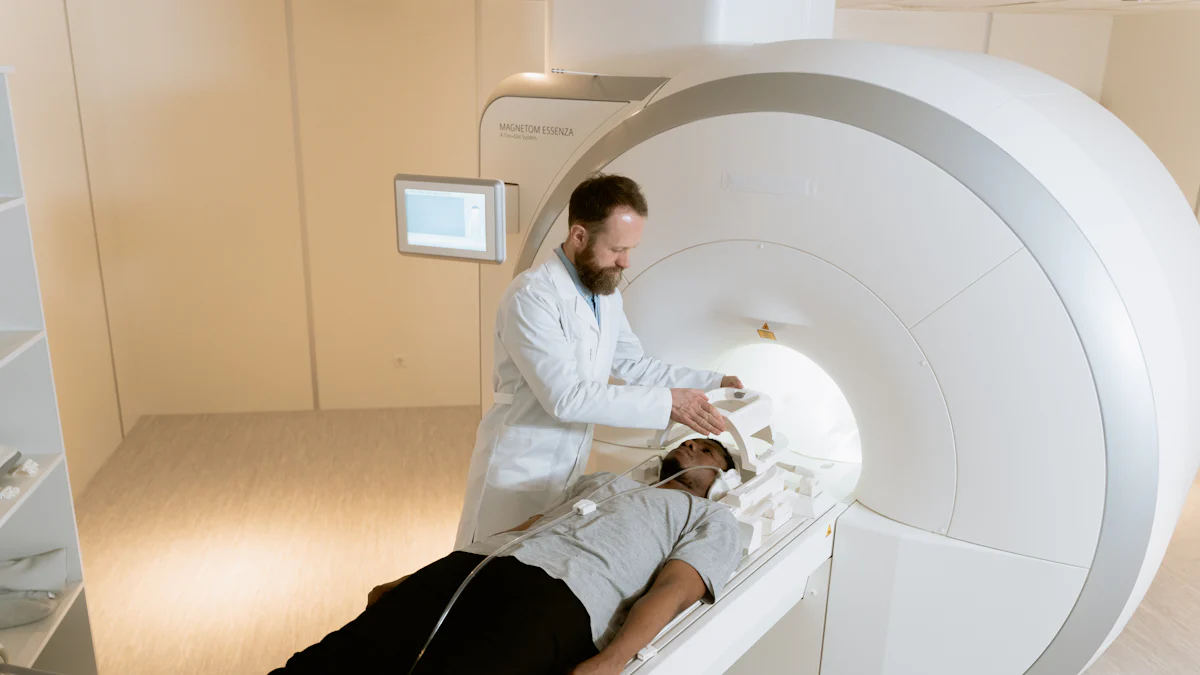
Conclusion
Electron beam computed tomography has revolutionized the diagnosis of coronary artery disease by offering unparalleled accuracy and safety. Its ability to detect coronary artery calcification with precision ensures early identification of risks, empowering healthcare providers to intervene before symptoms arise. This non-invasive diagnostic test prioritizes patient comfort while delivering reliable results. By visualizing arteries in detail, it supports preventive care and promotes lifestyle changes that improve heart health. As advancements in technology continue, electron beam computed tomography will play an even greater role in enhancing cardiac care and reducing the global burden of coronary artery disease.