


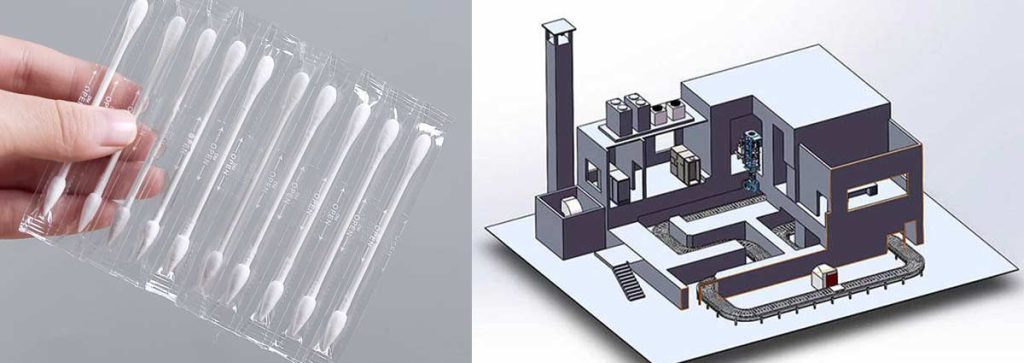
Electron beam irradiation changes plastics at the molecular level. High-energy electrons break chemical bonds in polymer chains, which can lead to altered structure and increased brittleness. Many industrial applications use this technology, including electron beam sterilization and crosslinking. Plastics such as acrylonitrile-butadiene-styrene (ABS), polycarbonate (PC), heat-shrinkable films, tubing, and pipes often undergo electron beam irradiation.
- Acrylonitrile-butadiene-styrene (ABS)
- Polycarbonate (PC)
- Heat-shrinkable plastic films and tubing
- Crosslinked plastic pipes
Key Takeaways
- Electron beam irradiation changes plastics at the molecular level, making them more brittle over time.
- The balance between chain scission and crosslinking determines how strong or brittle a plastic becomes after irradiation.
- Manufacturers can control brittleness by adjusting the irradiation dose and selecting the right materials and additives.
- Visible signs of brittleness include cracks, yellowing, and reduced flexibility in plastic products.
- Understanding how irradiation affects plastics helps create safer and longer-lasting products for everyday use.
Electron Beam Irradiation Process
How the Equipment Works?
Electron beam irradiation equipment uses advanced technology to process materials with high-energy electrons. The equipment includes several key components that work together to generate and control the electron beam. The accelerator speeds up electrons to nearly the speed of light. The energy source gives these electrons up to 10 million electron volts (MeV). The system then directs the electrons into a flat, wide stream that can cover large surfaces.
| Component | Description |
|---|---|
| Accelerator | Generates eBeam radiation by accelerating electrons to high velocities (~99.999% of the speed of light). |
| Energy | Electrons gain energies of up to 10 million electron volts (MeV). |
| Function | Produces a planar stream of high-energy electrons for material processing. |
Operators can adjust the voltage to control how fast the electrons move. The current shows how many electrons flow through the system. The beam can sweep across the material, creating a curtain of electrons that treats the plastic evenly. Typical energy levels for electron beam irradiation of plastics range from thousands to millions of electron volts. The energy level chosen depends on how deeply the electrons need to penetrate the plastic.
Interaction with Plastics
When the electron beam first strikes a plastic product, it causes immediate physical changes. The high-energy electrons break chemical bonds in the polymer chains. This process can change the color of the plastic, often making it more yellow. The plastic may lose strength and become less flexible. For example, polypropylene shows reduced compression strength and extension at break after exposure. The process also creates small molecules called radiolysis products, which signal that the plastic is starting to degrade.
The depth that the electron beam reaches depends on the type of plastic and the energy of the electrons. Analytical calculations and computer models help scientists predict how deep the electrons will go. For example, polymethyl methacrylate (PMMA) shows different penetration depths at different energies and angles. These findings help manufacturers choose the right settings for electron beam irradiation equipment to achieve the desired effects without damaging the material.
Note: Electron beam irradiation offers precise control over how much energy the plastic receives, making it a valuable tool for industrial processing.
Molecular Changes in Plastics
Chain Scission and Free Radicals
Plastics change at the molecular level when exposed to electron beam irradiation. The process starts with the formation of free radicals. High-energy electrons break chemical bonds such as C-H, C-O-C, C-C, and -C=C-. These free radicals act as highly reactive fragments. They can cause chain scission, which means the long polymer chains split into shorter segments. This splitting reduces the molar mass of the plastic and lowers its mechanical and thermal properties.
The mechanism of chain scission can be summarized in the following table:
| Mechanism Of Chain Scission | Description |
|---|---|
| Formation Of Free Radicals | Ionization of the polymer leads to free radical formation. |
| Chain Scission At Low Doses | Predominantly occurs at lower doses of electron beam irradiation. |
| Recombination At High Doses | At higher doses, recombination of free radicals becomes significant, affecting molecular weight. |
| Impact On Properties | Decrease in molar mass leads to reduced thermal and mechanical properties. |
Free radicals also play a role in material degradation. Some radicals formed from quaternary carbon bonds remain stable and promote chain scission. Others encourage crosslinking, which creates a three-dimensional network. Oxygen present during irradiation can cause oxidative degradation, making the process more complex.
Crosslinking Effects
Crosslinking occurs when free radicals link polymer chains together. This process forms a network structure that can improve certain properties. At lower doses of electron beam irradiation, crosslinking dominates. The plastic becomes tougher and sometimes more heat-resistant. For example, polyethylene shows an increase in gel content and Young’s modulus after irradiation. The melting temperature rises slightly, and crystallinity decreases.
The effects of crosslinking on mechanical properties include:
- Young’s modulus increases with higher radiation doses.
- Crosslinking has minimal impact on yield stress.
- Elongation at yield, elongation at break, and stress at break change significantly with dose.
Crosslinking can make plastics stronger at first, but excessive irradiation shifts the balance toward chain scission. The plastic then loses flexibility and becomes brittle.
Dose and Brittleness
The dose of electron beam irradiation determines whether crosslinking or chain scission dominates. At lower doses, crosslinking improves mechanical properties. As the dose increases, chain scission becomes more frequent and leads to brittleness.
- At doses above 150 kGy, chain scission dominates, causing a decrease in mechanical properties.
- The initial increase in mechanical properties is due to crosslinking, but this effect fades as chain scission takes over.
- Chain scission and crosslinking occur together, but the balance shifts with dose.
Polylactic acid (PLA) provides a clear example. As the irradiation dose rises, PLA shows a significant drop in elongation and tensile strength. Random chain scissions increase, making the material more brittle. Samples irradiated in solution become brittle faster than those in solid form. Thermal stability also decreases with higher doses, especially in chloroform-irradiated samples.
Note: The relationship between irradiation dose and brittleness applies to many plastics. For instance, ABS becomes more brittle at 50 kGy, showing a 40% reduction in elongation. Polycarbonate maintains its properties up to 20 kGy, but higher doses reduce elongation.
Plastics exposed to electron beam irradiation experience a complex balance between crosslinking and chain scission. The dose controls this balance and determines how brittle the material becomes.
Why Brittleness Increases?
Loss of Flexibility
Plastics lose flexibility after electron beam irradiation because their molecular structure changes. Chain scission and crosslinking play key roles in this process. Chain scission breaks long polymer chains into shorter segments. Crosslinking connects chains, forming a rigid network. Both changes reduce the average molecular weight and impact mechanical properties.
- Chain scission lowers the ability of plastics to stretch.
- Crosslinking makes the material stiffer.
- The reduction in molecular weight leads to less flexibility.
Researchers observed that chain scission under radiation causes a loss of flexibility. Chemi-crystallization may partially heal the damage, but the initial loss remains. Plastics become less able to bend or deform without breaking. This shift in properties affects how products perform in real-world applications.
Cracking and Degradation
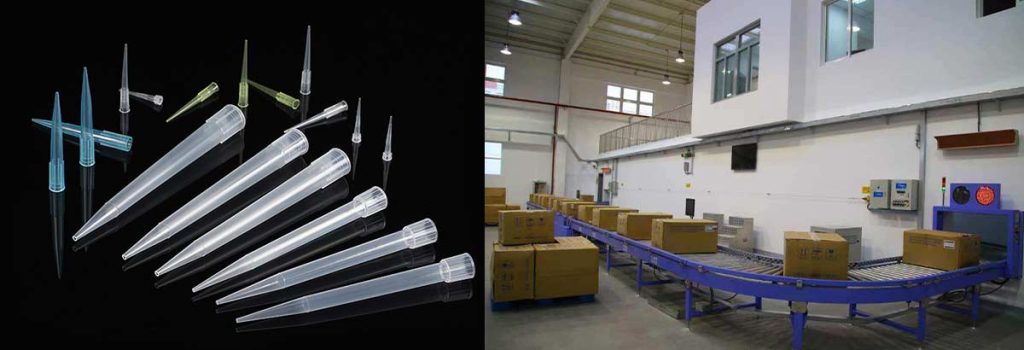
As plastics lose flexibility, they become more prone to cracking and degradation. The reduction in elongation at break signals increased brittleness. Scientists measured elongation sensitivity and found that plastics respond strongly to radiation dose changes up to 50 kGy. Crosslinking reduces the ability of ultra-high molecular weight polyethylene (UHMWPE) to undergo large-strain deformation, which leads to brittleness.
| Key Findings | Description |
|---|---|
| Elongation Sensitivity | Elongation-at-break changes with radiation dose until 50 kGy. |
| Cross-Linking Effects | Cross-linking limits large-strain deformation, increasing brittleness. |
| Tensile Strength | No significant change above 25 kGy, but material behavior shifts. |
Electron beam irradiation produces highly reactive radical species. These radicals alter molecular weight and crystallinity. Compared to gamma irradiation, electron beams create different aging patterns. Free radicals can remain trapped, causing post-irradiation degradation. Over time, cracks appear and the material loses its original strength.
Plastics exposed to electron beam irradiation show visible signs of aging, such as surface cracks and reduced toughness. These changes limit their use in demanding environments.
Real-World Impact
Everyday Product Changes
Electron beam irradiation affects many common plastic products. Polypropylene syringes used in medical and food packaging show clear signs of increased brittleness after treatment.
Plastic films, tubing, and containers often become less flexible and more prone to cracking. Users notice that irradiated products may break more easily or lose their original shape. Medical devices, such as syringes and packaging, must withstand sterilization processes. Electron beam irradiation can shorten their lifespan by reducing mechanical strength and increasing surface discoloration.
Products exposed to high doses of irradiation may fail during use, especially when subjected to bending or compression.
Industrial Challenges
Manufacturers face several challenges when processing plastics with electron beam irradiation. Excessive chain scission leads to embrittlement, making products less durable. Property degradation requires careful management to ensure that plastics meet performance standards. The table below highlights key challenges:
| Challenge | Description |
|---|---|
| Chain Scission | Excessive irradiation increases chain scission, leading to embrittlement. |
| Property Degradation | Degradation of mechanical properties must be managed for durability. |
| Mechanical Strength Management | Manufacturers must characterize the dose–property response of each polymer. |
Manufacturers must control the irradiation dose, atmosphere, and equipment design. These factors influence the outcome and allow for engineered properties that suit medical and industrial needs. To address brittleness, companies use additives and surface treatments. UV blockers and stabilizers help protect plastics from further degradation. Carbon black coatings provide extra resistance to UV light, extending product life.
| Solution Type | Description | Example Applications |
|---|---|---|
| UV Blockers | Compounds that prevent UV light from degrading plastics. | Polyolefin heat shrink tubing |
| UV Stabilizers | Additives that enhance the UV resistance of materials. | Nylon cable ties |
| Carbon Black | Provides protective surface coatings and reduces UV degradation risk. | Various plastic products requiring UV resistance |
Manufacturers continue to develop new solutions to balance durability and performance in irradiated plastics.
Controlling Brittleness
Adjusting Irradiation Settings
Manufacturers can control brittleness in plastics by carefully adjusting irradiation settings. Dose and energy levels play a major role in determining the final properties of the material. Lower doses often cause chain scission, which increases brittleness. At higher doses, crosslinking or branching may occur, leading to partial recovery of mechanical properties. The following table summarizes these effects:
| Dose (kGy) | Effect on Brittleness |
|---|---|
| 100 | Dominance of chain scission leading to brittleness |
| Higher | Structural reorganization leading to partial recovery of mechanical properties |
Operators must also consider the trade-offs between sterilization effectiveness and mechanical property retention. Different sterilization methods affect plastics in unique ways:
| Sterilization Method | Effect on Mechanical Properties | Notes |
|---|---|---|
| Steam Sterilization | Most challenging for dimensional stability | Causes significant distortion |
| ETO and Hydrogen Peroxide Gas | Generally cause less distortion | Low-temperature methods are preferable |
| Gamma Radiation | Cumulative effects altering material properties | Can lead to degradation over time |
Manufacturers often select irradiation settings that balance sterilization needs with the goal of preserving mechanical strength.
Material Choices and Additives
Material selection greatly influences how plastics respond to electron beam irradiation. Some polymers, such as poly(vinyl alcohol) (PVA), benefit from crosslinking, which enhances tensile strength. Others, like xanthan gum (XG), become brittle at high doses due to chain scission. Blending PVA with XG allows the crosslinking effect of PVA to reinforce the material, reducing brittleness at moderate doses.
- PVA gains strength from crosslinking after irradiation.
- XG becomes more brittle when exposed to excessive irradiation.
- PVA/XG blends show improved mechanical properties when PVA crosslinking dominates.
Additives also help control brittleness. UV blockers, stabilizers, and carbon black coatings protect plastics from further degradation. High-performance materials, such as PEEK, can endure over 1,500 sterilization cycles, making them suitable for long-term use despite higher initial costs. Polyphenylsulfone (PPSU) maintains structural integrity through hundreds of cycles, though color changes may signal early signs of wear.
Choosing the right polymer and additive combination allows manufacturers to produce plastics that resist brittleness and maintain performance after irradiation.
Conclusion

Plastics become more brittle after electron beam irradiation due to several molecular changes:
- Radiation damage alters polymer structure.
- Crystallinity decreases, as seen in PEEK.
- Oxidation increases surface degradation.
Manufacturers can reduce brittleness by controlling irradiation dose, which limits chain scission and oxidation.
Electron beam irradiation also improves recyclability for some plastics, making recycling more efficient. This process offers fast, residue-free treatment and supports high-volume production. Understanding the dose–brittleness relationship helps industries create safer, longer-lasting products.
FAQ
What Types of Plastics Are Most Affected by Electron Beam Irradiation?
Plastics like ABS, polycarbonate, polypropylene, and polylactic acid show increased brittleness after irradiation. Polyethylene and PEEK can resist some effects due to their structure. Manufacturers select materials based on their intended use and irradiation tolerance.
Can Electron Beam Irradiation Improve Any Properties of Plastics?
Electron beam irradiation can increase toughness and heat resistance at low doses through crosslinking. For example, polyethylene gains strength and durability. Excessive irradiation causes chain scission, which reduces flexibility and mechanical strength.
How Do Manufacturers Reduce Brittleness in Irradiated Plastics?
Manufacturers adjust irradiation settings, select resistant polymers, and add stabilizers or UV blockers. They use carbon black coatings for extra protection. These strategies help maintain product durability and performance.
Does Electron Beam Irradiation Affect Plastic Recycling?
Electron beam irradiation can enhance recyclability for some plastics. The process breaks down polymer chains, making mechanical recycling easier. It also sterilizes materials, supporting high-volume recycling operations.
Are There Visible Signs of Brittleness After Irradiation?
Users may notice surface cracks, yellowing, or reduced flexibility in irradiated plastics. Products like syringes and tubing may break more easily. These signs indicate molecular changes and increased brittleness.