


Ethylene oxide food sterilization plays a pivotal role in ensuring food safety and addressing global challenges like waste reduction. This sterilization process eliminates harmful microorganisms, including Salmonella, which can cause serious infections. Recent recalls in Europe, involving thousands of products like cereals and spices, highlight its importance. However, the growing demand for safer and more sustainable methods has driven significant developments in the ethylene oxide market.
Emerging trends in 2025 reveal a market poised for transformation. With a projected growth rate of 3.89% between 2025 and 2033, the market is set to exceed USD 64 billion by 2035. As innovations continue to evolve, they promise to reshape the future trends of food sterilization, ensuring enhanced safety and efficiency.
Key Takeaways
- Ethylene oxide sterilization helps keep food safe by killing germs like Salmonella.
- New ideas, like green methods and machines, make sterilization faster and better for the planet.
- Mixing ethylene oxide with electron beams makes sterilization safer and less harmful to nature.
- Smart monitoring tools check safety rules, making people trust sterilized food more.
- The ethylene oxide industry is growing by 3.89%, showing why new solutions matter.
Current Challenges in Ethylene Oxide Food Sterilization
Regulatory Pressures in the Ethylene Oxide Market
The ethylene oxide market faces stringent regulatory pressures due to its potential health risks. Agencies like OSHA have implemented strict standards to limit exposure. For instance, the OSHA EtO Health Standard of 1984 set a permissible exposure limit (PEL) of 1 ppm and an action level (AL) of 0.5 ppm for workshift exposures. In 1988, OSHA revised these standards, introducing a short-term excursion limit (STEL) of 5 ppm over 15 minutes.
| Year | Regulation/Standard | Description |
|---|---|---|
| 1984 | OSHA EtO Health Standard | PEL of 1 ppm and AL of 0.5 ppm for EtO workshift exposures |
| 1988 | Revised OSHA Standard | STEL of 5 ppm for EtO over 15 minutes |
These regulations aim to protect workers and consumers, but they also increase compliance costs for manufacturers. As the market evolves, balancing safety with operational efficiency remains a critical challenge.
Environmental Sustainability Concerns
Ethylene oxide applications raise significant environmental sustainability concerns. The U.S. EPA classifies ethylene oxide as a carcinogen, and its emissions contribute to ground-level ozone formation, which harms vegetation and ecosystems. Prolonged exposure links ethylene oxide to cancer and respiratory issues, disproportionately affecting low-income communities and communities of color.
- Ethylene oxide contributes to smog and aquatic ecotoxicity.
- Chronic exposure impacts public health, particularly in vulnerable populations.
- Conventional production methods result in significant ethylene oxide losses.
Recent advancements, such as the supersonic separator method, reduce ethylene oxide losses and improve environmental indicators. These innovations demonstrate progress in sustainability practices, but widespread adoption remains limited due to cost and scalability challenges.
Safety Risks in Food Sterilization Processes
Safety risks in food sterilization processes continue to challenge the ethylene oxide market. Ethylene oxide is widely used for medical sterilization and infection control, especially for single-use medical devices. However, its toxic nature poses risks to workers and consumers. Improper handling or inadequate control measures can lead to accidental exposure, increasing the likelihood of health complications.
Enhanced monitoring systems and improved safety protocols have reduced these risks, but gaps in implementation persist. Manufacturers must prioritize worker safety while ensuring the effectiveness of sterilization processes. Addressing these risks is essential for maintaining trust in the market and ensuring compliance with safety standards.
Efficiency and Scalability Limitations
Efficiency and scalability remain significant hurdles in ethylene oxide food sterilization. The process, while effective, often requires extended sterilization cycles. These cycles can last several hours or even days, depending on the product type and packaging. This prolonged duration limits throughput, making it challenging for manufacturers to meet high production demands.
Note: Extended sterilization times can delay supply chains, especially during peak demand periods.
Another challenge lies in the infrastructure required for large-scale operations. Ethylene oxide sterilization facilities must adhere to strict safety and environmental standards. These requirements often necessitate costly investments in specialized equipment, ventilation systems, and emission control technologies. Smaller manufacturers may struggle to afford these upgrades, creating a barrier to scalability.
- Key Factors Affecting Efficiency and Scalability:
- Lengthy sterilization cycles.
- High costs of compliance with safety and environmental regulations.
- Limited availability of advanced sterilization equipment.
In addition to infrastructure challenges, the process’s reliance on ethylene oxide gas poses logistical issues. Transporting and storing this hazardous chemical requires stringent safety measures, increasing operational complexity. These factors collectively hinder the ability of manufacturers to scale their operations efficiently.
Recent innovations aim to address these limitations. For example, advancements in sterilization chamber design have improved gas circulation, reducing cycle times. Automation and smart technology integration also enhance process efficiency by minimizing human error and optimizing resource use.
While these developments show promise, widespread adoption remains slow. High implementation costs and the need for workforce training often deter manufacturers from upgrading their systems. Overcoming these barriers will be crucial for the ethylene oxide market to achieve greater efficiency and scalability.
Top Innovations in Ethylene Oxide Food Sterilization
Eco-Friendly Techniques for Food Sterilization
The growing emphasis on sustainability has driven the ethylene oxide market to explore eco-friendly sterilization methods. These techniques aim to reduce the environmental impact of traditional processes while maintaining high sterilization standards. One notable development is the radical vapor reactor (RVR) method. This innovative approach achieves complete sterilization in under 10 minutes, using only oxygen gas and water. By producing high concentrations of reactive oxygen species (ROS), the RVR method surpasses the effectiveness of UV sterilization. Its minimal reliance on chemicals significantly reduces environmental harm, making it a promising alternative for the sterilization market.
Another advancement involves optimizing ethylene oxide food sterilization processes to minimize chemical usage. Case studies have demonstrated that reducing the amount of sterilant not only lowers emissions but also enhances efficiency. For instance, improved chamber designs now allow better gas circulation, leading to shorter sterilization cycles. These developments align with global trends toward greener technologies, ensuring that the ethylene oxide market remains competitive while addressing environmental concerns.
Automation and Smart Technology in Sterilization
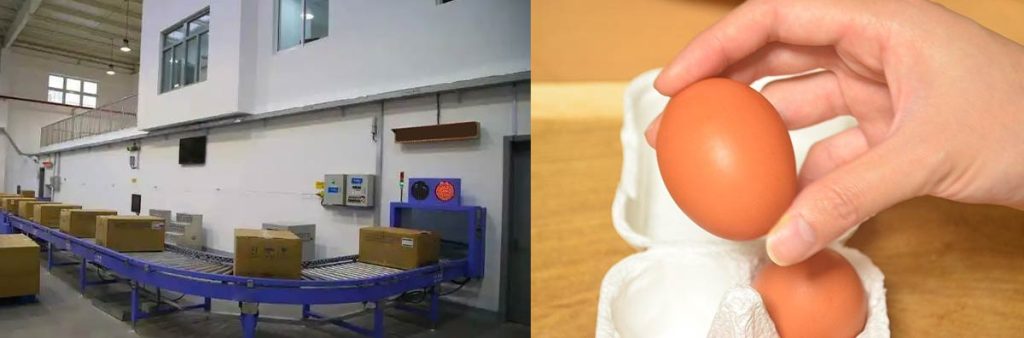
Automation and smart technology are revolutionizing the sterilization market by enhancing precision and efficiency. Modern sterilization systems now incorporate advanced sensors and IoT-enabled devices to monitor and control sterilization parameters in real time. These technologies reduce human error and ensure consistent results, which is critical for applications like ethylene oxide device sterilization.
For example, automated systems can adjust gas concentrations and cycle durations based on the specific requirements of the product being sterilized. This adaptability not only improves process efficiency but also reduces resource wastage. Smart technology also enables predictive maintenance, where systems identify potential issues before they cause downtime. This feature is particularly valuable in large-scale operations, where delays can disrupt supply chains.
The integration of electron beam sterilization with ethylene oxide processes further highlights the role of technology in advancing the sterilization market. Electron beam sterilization equipment offers rapid and chemical-free sterilization, making it an excellent complement to ethylene oxide methods. Together, these technologies create hybrid systems that combine the strengths of both approaches, ensuring optimal safety and efficiency.
Advancements in Sterilization Efficiency
Efficiency remains a top priority in the ethylene oxide market, and recent innovations have made significant strides in this area. The FDA Innovation Challenge has spurred developments aimed at optimizing ethylene oxide device sterilization. For instance, the longest legacy cycles, which previously lasted up to eight days, have been reduced to just three days. Similarly, aeration times have decreased from 13 days to five days, significantly accelerating the overall process.
| Evidence Description | Details |
|---|---|
| Reduced Sterilization Duration | Longest cycles reduced from eight to three days; aeration times cut to five days. |
| Improved Chamber Utilization | Chamber capacity utilization increased by at least 10%. |
| Validation Methods | EO sterilization validated according to the 11135 standard. |
These advancements not only improve throughput but also lower operational costs, making the process more accessible to smaller manufacturers. Enhanced chamber designs and better gas circulation have further contributed to these gains. By maximizing chamber utilization, manufacturers can sterilize more products in a single cycle, boosting productivity.
The ethylene oxide market continues to evolve, driven by the need for faster, safer, and more sustainable sterilization methods. As these trends gain momentum, they promise to reshape the future of food sterilization, ensuring that the industry meets the demands of a growing global population.
Integration of Electron Beam Sterilization with Ethylene Oxide
The integration of electron beam sterilization with ethylene oxide methods represents a significant advancement in the sterilization market. Combining these two approaches leverages their individual strengths while addressing their limitations. Ethylene oxide device sterilization is a well-established method, known for its ability to sterilize a wide range of materials effectively. However, concerns about its environmental impact and safety risks have prompted the search for complementary technologies.
Electron beam sterilization offers a fast, chemical-free alternative that aligns with sustainability goals. This method uses high-energy electrons to eliminate microorganisms, making it environmentally friendly and suitable for applications where chemical residues are undesirable. Despite its advantages, electron beam sterilization faces challenges such as limited penetration depth and high equipment costs.
| Method | Advantages | Disadvantages |
|---|---|---|
| Ethylene Oxide (EO) | Established method, effective for a wide range of materials | Classified as a human carcinogen, sustainability issues, legal actions, potential for catastrophic failures |
| Electron Beam (E-Beam) | Fast process, environmentally friendly, no chemicals required | Requires expensive equipment, material compatibility challenges, lower penetration than gamma |
Integrating these methods creates hybrid systems that combine the deep penetration and versatility of ethylene oxide with the speed and eco-friendliness of electron beam sterilization. For example, electron beam technology can pre-treat products, reducing the amount of ethylene oxide required during sterilization cycles. This approach minimizes chemical usage and shortens cycle times, improving efficiency and reducing environmental impact.
The sterilization market benefits from this integration by offering manufacturers more flexible solutions. Hybrid systems cater to diverse product requirements, ensuring optimal sterilization while addressing regulatory and sustainability concerns. As these systems gain traction, they promise to reshape the market by providing safer and more efficient alternatives to traditional methods.
Enhanced Monitoring and Quality Control Systems
Enhanced monitoring and quality control systems play a crucial role in advancing the ethylene oxide device sterilization process. Modern sterilization systems now incorporate sophisticated sensors and software to ensure precision and consistency. These tools monitor critical parameters such as gas concentration, temperature, and humidity in real time, reducing the risk of errors and ensuring compliance with industry standards.
Automated monitoring systems have transformed the sterilization market by improving reliability and efficiency. For instance, IoT-enabled devices can detect deviations in sterilization conditions and alert operators immediately. This proactive approach prevents costly mistakes and ensures that products meet stringent safety requirements.
Quality control systems also validate the effectiveness of sterilization processes. Advanced validation methods, such as those adhering to the ISO 11135 standard, ensure that ethylene oxide sterilization meets global benchmarks. These systems use data analytics to optimize sterilization cycles, reducing waste and enhancing throughput.
Tip: Implementing enhanced monitoring systems not only improves product safety but also boosts consumer confidence in the sterilization market.
The integration of these technologies addresses long-standing challenges in the market, such as safety risks and efficiency limitations. By prioritizing quality control, manufacturers can streamline operations and reduce costs while maintaining high standards of safety and reliability.
Impact of Innovations on the Ethylene Oxide Market
Improved Compliance with Regulatory Standards
Innovations in ethylene oxide device sterilization have significantly improved compliance with regulatory standards. The increasing complexity of global regulations has made compliance a strategic necessity for manufacturers in the ethylene oxide market. Advanced technologies, such as automated reporting systems and AI-powered monitoring platforms, now play a critical role in ensuring adherence to these standards.
- These technologies streamline compliance by automating risk assessments and generating real-time reports.
- Blockchain-based verification systems enhance transparency, reducing the risk of non-compliance.
| Market Uncertainty Level | Effect of Formal Standards on Innovation Efficiency | Effect of Regulation on Innovation Efficiency |
|---|---|---|
| Low | Lower innovation efficiency | Opposite effect (higher efficiency) |
| High | Opposite effect (higher efficiency) | Lower innovation efficiency |
By adopting these tools, the sterilization market has not only reduced compliance costs but also improved operational efficiency. These developments ensure that manufacturers can meet stringent legal requirements while maintaining high-quality standards.
Reduction in Environmental Footprint
The ethylene oxide market has made strides in reducing its environmental footprint through innovative sterilization methods. Transitioning to reusable systems and optimizing sterilization processes have led to significant reductions in greenhouse gas emissions and resource consumption.
- Reusable gowns emit 30% less greenhouse gases per 1,000 uses compared to single-use alternatives.
- A reusable strategy for sharps containers reduced annual CO2 emissions by 83.9%.
- Water use decreased by 61-70% when switching to reusable systems.
The UV Smart D60, a cutting-edge sterilization device, exemplifies these advancements. It uses no water or chemicals, saving 19,180 pounds of CO2 emissions annually. These trends highlight the ethylene oxide market’s commitment to sustainability, ensuring that food and medical sterilization processes align with global environmental goals.
Enhanced Safety for Workers and Consumers
Recent innovations in ethylene oxide device sterilization have enhanced safety for both workers and consumers. Advanced monitoring systems and IoT-enabled devices now track sterilization parameters in real time, reducing the risk of errors and accidental exposure.
| Innovation | Impact on Safety |
|---|---|
| Telehealth | Reduces absenteeism and improves access to care. |
| Wearable Devices | Promotes self-awareness and real-time health monitoring. |
| Data Analytics | Enables evidence-based decision-making for wellness programs. |
Machine learning models and IoT devices further improve workplace safety by identifying potential health risks and alerting workers proactively. These developments ensure that the sterilization market prioritizes the well-being of its workforce while delivering safe, sterilized products to consumers.
Increased Efficiency and Cost-Effectiveness
Efficiency and cost-effectiveness have become central to advancements in the ethylene oxide market. Modern sterilization technologies now prioritize reducing operational costs while maintaining high standards of safety and reliability. Low-temperature sterilization systems, for instance, have demonstrated significant economic benefits. These systems reduce the need for frequent repairs of sensitive medical instruments, offering a favorable cost-benefit ratio over a decade. This makes them particularly advantageous for large-scale healthcare facilities.
Automation has also played a pivotal role in improving efficiency. Automated decontamination devices streamline processes, minimizing human intervention and reducing errors. However, a systematic review highlights a gap in comprehensive cost data for these devices. This lack of detailed economic evaluations makes it challenging for healthcare managers to fully assess their financial impact. Despite this, the potential savings from reduced labor costs and enhanced throughput underscore their value in the ethylene oxide device sterilization process.
Enhanced chamber designs further contribute to efficiency gains. These designs optimize gas circulation, shortening sterilization cycles and increasing throughput. By maximizing chamber utilization, manufacturers can process more products in less time, addressing scalability challenges. These innovations not only improve operational efficiency but also make the ethylene oxide market more accessible to smaller manufacturers, fostering growth across the industry.
Adoption of Hybrid Sterilization Methods

Hybrid sterilization methods are reshaping the ethylene oxide market by combining the strengths of multiple technologies. These methods integrate traditional ethylene oxide device sterilization with newer approaches like electron beam sterilization. This combination addresses the limitations of each method, offering a balanced solution that enhances both efficiency and sustainability.
Economic analyses reveal the financial advantages of hybrid systems. For example, combining single-use and reusable ureteroscopes in healthcare settings has proven cost-effective. Establishing cut-off values based on patient volume and sterilization processes ensures that hybrid approaches remain viable in specific environments. This flexibility makes hybrid systems particularly appealing for facilities with diverse sterilization needs.
Hybrid methods also reduce chemical usage and environmental impact. Electron beam technology, when paired with ethylene oxide, minimizes the amount of gas required for sterilization. This not only shortens cycle times but also aligns with global sustainability goals. By offering adaptable solutions, hybrid systems cater to the evolving demands of the ethylene oxide market, ensuring compliance with regulatory standards while addressing environmental concerns.
The adoption of hybrid sterilization methods signifies a shift toward more innovative and sustainable practices. As these systems gain traction, they promise to redefine the future of the ethylene oxide market, balancing efficiency, cost-effectiveness, and environmental responsibility.
Conclusion
Innovations in the ethylene oxide market are transforming industries like food processing, pharmaceuticals, and automotive. Advanced production technologies enhance sustainability and cost-effectiveness, addressing critical challenges in safety and efficiency. These developments ensure the ethylene oxide market remains vital for sterilizing medical products and safeguarding food supplies. Continued research promises broader applications and improved environmental outcomes. As the market evolves, manufacturers must adopt innovative solutions to meet growing global demands while maintaining high standards of safety and reliability.