


Operating the PLC and HMI on an electron beam sterilizer requires clear understanding of both systems. The operator selects the correct cycle, sets parameters, and monitors progress to maintain sterility. Proper use of these controls ensures safety for both personnel and products. They must check system readiness before every run. A careful approach helps achieve reliable results and consistent performance.
Key Takeaways
- Understand the roles of the PLC and HMI. The PLC controls the sterilization process, while the HMI provides an easy interface for operators to monitor and adjust settings.
- Always perform pre-operation checks. Inspect equipment for damage, ensure safety features are functional, and confirm the sterilization chamber is clean before starting.
- Set accurate parameters for effective sterilization. Adjust dose, conveyor speed, and exposure time based on validated protocols to maintain product integrity.
- Follow a structured shutdown procedure. Ensure all processes are complete and save records for traceability before powering down the system.
- Regular maintenance is crucial. Conduct routine inspections and keep an inventory of high-wear parts to prevent unexpected breakdowns and ensure smooth operation.
PLC and HMI Overview
PLC Functions
A programmable logic controller, or PLC, acts as the central brain of electron beam irradiation equipment. In an electron beam sterilizer, the PLC receives signals from sensors, processes input data, and executes control logic. This device manages the automation of the sterilization process by starting and stopping cycles, controlling conveyor movement, and adjusting beam parameters. The PLC uses robust hardware designed for industrial environments, which ensures reliable operation even in demanding conditions. Operators rely on the PLC to maintain precise timing and coordination, which are essential for achieving consistent sterility.
Tip: The PLC uses programming languages like Ladder Diagram to define its logic, making it adaptable for different sterilization requirements.
HMI Interface
The human-machine interface, or HMI, serves as the face of the electron beam irradiation equipment. Operators interact with the HMI through touch screens and graphical displays. The HMI provides a user-friendly platform for monitoring system status, adjusting parameters, and starting or stopping sterilization cycles. It displays real-time data, such as temperature, dose rate, and conveyor speed, which helps operators ensure the electron beam sterilizer runs within safe and effective limits. The HMI relies on configuration software to create intuitive screens, making it easier for users to navigate complex processes.
System Integration
The PLC and HMI work together to automate and monitor the electron beam sterilizer. The PLC handles the core logic and control, while the HMI offers an accessible interface for operators. Continuous data exchange between the two systems allows for real-time monitoring and quick adjustments. This integration supports safe operation and helps maintain sterility throughout each cycle.
| Aspect | PLC Role | HMI Role |
|---|---|---|
| Functionality | Handles automation control and executes logic | Provides a user-friendly interface for monitoring and control |
| Structure | Robust hardware for industrial environments | Touch screens and graphical interfaces |
| Applications | Manufacturing and process control | Intuitive operator interfaces |
| Programming | Ladder Diagram and similar languages | Configuration software for graphical elements |
- The PLC acts as the system’s brain, receiving inputs and executing logic.
- The HMI serves as the system’s face, providing an interactive platform for operators.
- Continuous data exchange occurs between PLC and HMI for system monitoring and control.
Operating Electron Beam Sterilizer
Powering On
Operators begin by ensuring the electron beam sterilizer is connected to a stable power source. They inspect the main power switch and confirm that all emergency stops are disengaged. After verifying safety interlocks, they turn on the main power. The PLC system initializes, and the HMI displays the startup screen. Operators wait for system diagnostics to complete before proceeding. This step ensures the process starts with all components in a safe and ready state.
Note: Always check for warning lights or error messages on the HMI before moving to the next step.
Interface Navigation
The HMI provides a clear and organized interface for users. Operators log in with their credentials to access the main menu. The HMI displays options such as cycle selection, parameter settings, and system status. Users select the desired sterilization cycle based on the product type. The interface guides them through each menu, reducing the risk of incorrect selections. Operators can view real-time process data, including conveyor speed and beam current, directly on the HMI.
Parameter Settings
Accurate parameter settings are essential for effective electron beam sterilization. Operators adjust process parameters such as dose, conveyor speed, and exposure time using the HMI. They refer to validated protocols for each product type. To optimize performance, operators:
- Utilize control charts to monitor process parameters and ensure statistical control of the sterilization process.
- Establish control limits based on actual data from the electron beam process.
- Implement time-weighted control (CUSUM) charts for effective process control.
- Analyze the ratio between measured and targeted process parameters for performance monitoring.
Operators confirm all settings before starting the cycle. This careful approach maintains process consistency and supports sterility.
Running Sterilization Cycle
After setting parameters, operators initiate the sterilization cycle from the HMI. The PLC manages the process, controlling conveyor movement and beam output. Operators monitor the cycle closely to ensure all process variables remain within specified limits. They check indicators and data logs for each cycle. The following table summarizes recommended monitoring methods:
| Monitoring Method | Description |
|---|---|
| Mechanical/Physical/Electronic | Indicators recorded by automatic printout or computerized data logger must be checked for every cycle. |
| Chemical Indicators | Included with every pack/pouch and load, placed on each tray containing unwrapped items. |
| Biological/Enzymatic Indicators | Used during validation and when sterilizer operation needs to be rechecked. |
Operators review these indicators to confirm that the sterilization process achieves the required sterility. Any deviation prompts immediate corrective action.
Safe Shutdown
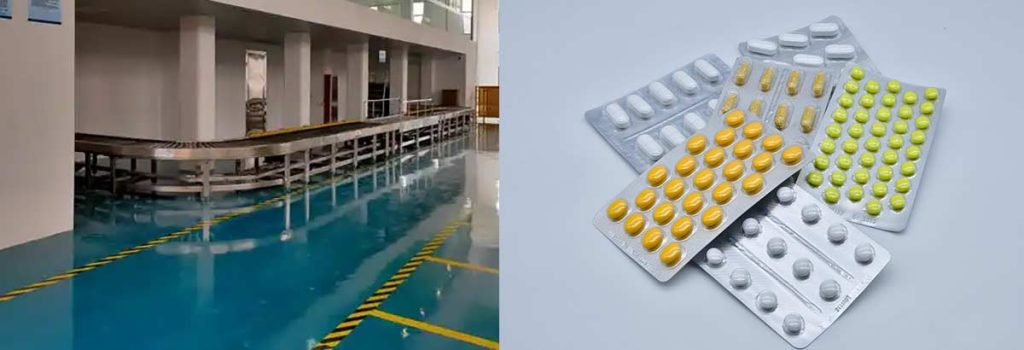
At the end of the cycle, operators follow a structured shutdown procedure. They stop the conveyor and turn off the electron beam. The HMI guides users through the shutdown sequence, ensuring all process steps complete safely. Operators review the final process data and save records for traceability. They power down the system only after confirming that all moving parts have stopped and the area is safe. This careful shutdown protects both equipment and personnel.
Tip: Always document each sterilization cycle and shutdown in the system log for future reference.
Safety and Sterility
Pre-Operation Checks
Operators must complete several checks before starting the electron beam sterilizer. They inspect the equipment for visible damage and confirm that all guards and shields are in place. They verify that emergency stops function correctly. Operators review the HMI for any warning messages or abnormal readings. They ensure that the sterilization chamber is clean and free from debris. These steps help prevent accidents and maintain sterility throughout the process.
Tip: Always wear appropriate personal protective equipment (PPE) such as gloves, lab coats, and safety glasses during pre-operation checks.
Safe Operation Practices
Industry standards recommend a series of practices to ensure effective sterilization and product integrity:
- Conduct microbiology validation to measure bioburden levels and identify harmful microorganisms.
- Perform dose mapping to determine the minimum dose required to achieve the desired sterility assurance level and the maximum dose the product can tolerate.
- Execute performance qualification studies to confirm that the sterilization process maintains product integrity during routine operations.
- Place dosimeters within product cases to measure internal dose distribution and use results to set dose thresholds.
- Establish sterilization parameters based on contamination levels and monitor microbial load to prevent contamination during production.
Operators follow these steps to ensure that each sterilization cycle meets strict quality standards. They document all findings and adjust parameters as needed to maintain consistent results.
Emergency Procedures
Operators must know how to respond quickly in emergencies. If the HMI displays a critical error or if an alarm sounds, they stop the sterilization cycle immediately. They activate emergency stops and evacuate the area if necessary. Operators notify supervisors and follow facility protocols for incident reporting. Quick action protects both personnel and products, ensuring that safety remains the top priority.
Note: Regular training on emergency procedures helps operators respond confidently and effectively.
Troubleshooting and Maintenance
Common Issues
Operators often encounter several issues during the sterilization process. Communication errors between the PLC and HMI can disrupt the system. They check physical connections and network settings to resolve these problems. Logic errors may arise from incorrect programming or faulty sensors. Operators verify the logic and inspect sensors to maintain proper control of the catheter packaging line. Display errors sometimes occur on the HMI, requiring hardware checks and software updates. Security issues can affect user access, so operators review password strength and user roles. These steps help maintain a reliable process for catheter sterilization.
- Communication errors: Inspect cables and network protocols.
- Logic errors: Review programming and sensor status.
- Display errors: Confirm hardware and software compatibility.
- Security issues: Strengthen passwords and adjust user permissions.
Error Messages
The HMI displays error messages to alert operators about process interruptions. Operators read each message carefully and follow recommended actions. Common messages include conveyor jams, dose deviations, and sensor faults. They address these warnings quickly to prevent damage to catheter packaging and maintain regulatory compliance. Operators document each error and corrective action for future reference.
Tip: Always consult the system manual when unfamiliar error codes appear.
When To Call Support
Operators contact technical support when issues persist after basic troubleshooting. Persistent PLC faults, repeated HMI display failures, or unexplained process interruptions require expert assistance. Support teams provide remote diagnostics and guide operators through advanced repairs. Quick vendor response reduces machine downtime and ensures uninterrupted catheter sterilization. Operators keep detailed records to help support teams resolve problems efficiently.
Maintenance Tips
Routine maintenance keeps the electron beam sterilizer running smoothly. Operators perform regular inspections and diagnostics to identify potential issues before they escalate. They maintain an inventory of high-wear parts to reduce the risk of sudden breakdowns. Proactive replacement of components ensures uninterrupted sterilization schedules for catheter packaging. Real-time monitoring systems provide instant feedback, which decreases vendor response times and minimizes on-site visits. The following table highlights improvements seen with regular maintenance:
| Improvement Aspect | Old Model | New Model |
|---|---|---|
| Vendor Response Time | Longer due to multiple contacts | Significantly reduced |
| Number of On-Site Visits Required | Higher due to unclear communication | Reduced due to real-time reporting |
| Machine Downtime | Increased due to delayed responses | Decreased significantly |
| Patient Treatment Cancellations | More frequent | Reduced significantly |
Operators follow a strict maintenance schedule to comply with regulatory standards and ensure consistent process performance.
Aseptic Filling Machine Integration
Integrating electron beam sterilization with aseptic filling machines enhances overall process efficiency. The system kills bacteria and microorganisms on catheter packaging materials, eliminating the need for hydrogen peroxide. This change facilitates water recycling and reduces energy consumption. Operators benefit from high-speed production, which increases operational efficiency and supports large-scale catheter sterilization.
- E-beam technology eliminates hydrogen peroxide, reducing drying time for packaging.
- Lower energy consumption and waste contribute to sustainable production.
- Advanced systems like Tetra Pak E3/Speed Hyper achieve high output and minimize environmental impact, reducing power, water, and chemical use.
Operators ensure that the sterilization process meets regulatory requirements while maintaining high throughput for catheter packaging.
Conclusion
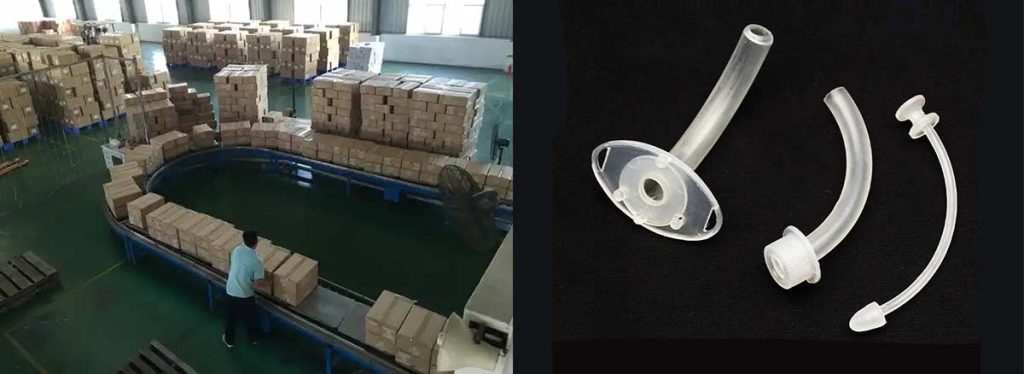
Operators achieve reliable electron beam sterilization by following clear steps for PLC and HMI operation. Safety checks, accurate parameter settings, and routine maintenance protect both products and personnel.
HMI software innovations are revolutionizing human-machine interaction, making industrial control more efficient, safer, and more responsive.
A well-designed HMI that leverages the concepts of situational awareness can greatly simplify operator training.
- The Complete Human Machine Interface (HMI) Starter Guide equips operators with essential knowledge to succeed in automation engineering.
- The guide covers different HMI platforms, how to learn HMI development & programming, and everything else needed to get started.
Operators should consult manuals and seek expert help when needed. Confidence and attention to detail maintain high standards in every cycle.
FAQ
What Is the Role of the PLC and HMI in the Aseptic Filling Machine?
The PLC controls the aseptic filling process, while the touchscreen HMI lets operators monitor and adjust the system. This combination ensures sterile packaging and helps maintain quality during every stage of medical manufacturing.
How Does the Aseptic Filling Process Maintain Sterility?
The aseptic filling process uses advanced aseptic filling equipment and a controlled environment. Operators monitor the system through the touchscreen HMI. This approach achieves high sterility assurance levels and reduces the risk of hospital-acquired infections.
Why Is Quality Inspection Important in the Aseptic Filling Line?
Quality inspection stage checks the aseptic filling system for errors. It ensures the process meets strict quality standards. This step protects end-user safety and supports reliable sterile packaging in medical manufacturing.
What Should Operators Do If the Touchscreen HMI Displays an Error?
Operators should follow system prompts on the touchscreen HMI. They check the aseptic filling equipment for faults and consult the manual. If the problem continues, they contact technical support to keep the aseptic filling line running safely.
How Does the Aseptic Filling System Support Sustainable Production?
The aseptic filling system reduces energy use and waste. It eliminates the need for chemicals in the aseptic filling process. This system supports efficient medical manufacturing and helps protect the environment.