


Medical devices sterilization plays a vital role in infection prevention and patient safety. Proper cleaning and sterilization eliminate contamination that can lead to healthcare-acquired infections. Errors in these processes compromise patient health and increase risks during medical procedures. Following instructions and understanding the importance of cleaning and sterilization ensure effective results. Healthcare providers must prioritize sterilization to maintain high standards of care and prevent unnecessary harm.
Key Takeaways
- Cleaning well is the first step to sterilize tools. If cleaning is poor, germs can stay and cause infections.
- Every medical tool needs a special way to sterilize it. Using the wrong way can put patients at risk.
- Watching the sterilization process is very important. Checking often makes sure all steps are done right.
- Training staff is key for good sterilization. Trained workers make fewer mistakes and keep patients safer.
- Following maker instructions is very important. These steps help sterilize tools properly and meet rules.
Common Mistakes in Sterilization
Improper Cleaning of Medical Devices
Cleaning medical devices is the first and most critical step in the sterilization process. Inadequate pre-cleaning can leave contaminants on instruments, which may compromise the sterilization process. Contaminants can dry within minutes if devices are not processed immediately after use. Bacteria on dried contaminants can multiply rapidly, forming biofilms within two hours. These biofilms are resistant to sterilization methods, increasing the risk of contamination and infection.
Healthcare facilities often face challenges in ensuring proper cleaning due to time constraints or improper instrument handling. Staff must follow detailed instructions for cleaning each device, as improper cleaning can lead to sterilization process failures. For example, failure to remove organic matter like blood or tissue can prevent sterilizing agents from reaching all surfaces of the instrument.
Incorrect Sterilization Methods
Using incorrect sterilization methods is another common mistake that can jeopardize patient safety. Each medical device requires specific sterilization processes based on its material and design. For instance, some devices may require low-temperature sterilization methods, while others can withstand high-temperature steam sterilization.
A study comparing sterilization methods highlighted the varying effectiveness of sodium hypochlorite, hydrogen peroxide, and ultraviolet radiation. Sodium hypochlorite showed significant differences in colony counts after 10 minutes, while hydrogen peroxide required longer exposure times for effectiveness. Ultraviolet radiation failed to achieve complete sterilization, emphasizing the importance of selecting the right method for each device.
Incorrect temperature and pressure settings during sterilization can also lead to failures. Overloading the sterilizer or using expired sterilizing agents further increases the risk of incomplete sterilization. Skipping biological indicators and testing compounds the problem, as these are essential for verifying the efficacy of the sterilization process.
Failure to Monitor Processes
Monitoring the sterilization process is crucial for ensuring its success. Process monitoring failures, such as overloading sterilizers, can prevent proper vapor penetration, leading to sterilization failures. Biological indicator monitoring is particularly important for low-temperature sterilization methods, as it verifies the process’s efficacy.
Complex medical devices often require precise sterilization protocols. Without rigorous monitoring, these protocols may not be followed correctly, increasing the risk of contamination. Facilities must implement every-load biological monitoring and ensure staff adhere to quality assurance protocols.
| Evidence Type | Description |
|---|---|
| Process Monitoring Failures | Overloading sterilizers can prevent proper vapor penetration, leading to failures. |
| Biological Indicator Monitoring | Every-load biological monitoring is crucial for verifying sterilization efficacy. |
| Device Complexity | Complex devices require precise protocols, increasing the risk of errors if not monitored. |
Proper documentation and routine audits can help identify and address common sterile processing mistakes. By prioritizing monitoring, healthcare facilities can reduce the risk of sterilization process failures and ensure patient safety.
Overloading Sterilization Equipment
Overloading the sterilizer is a common mistake that can compromise the effectiveness of the sterilization process. When too many instruments are placed inside the sterilizer, steam or sterilizing agents cannot circulate properly. This uneven distribution prevents all surfaces of the medical devices from being exposed to the sterilizing agent, increasing the risk of contamination.
Healthcare facilities often face challenges in balancing efficiency with proper sterilization practices. Staff may overload sterilizers to save time, especially during busy periods. However, this practice leads to sterilization process failures, putting patient safety at risk. Overloading the sterilizer also increases the likelihood of ignoring instrument drying, which is essential for preventing moisture-related contamination.
To avoid this issue, facilities should follow manufacturer instructions regarding sterilizer capacity. Staff must ensure that instruments are arranged to allow adequate airflow and exposure. Regular training programs can help reinforce these best practices and reduce the risk of errors.
Tip: Always leave enough space between instruments in the sterilizer to ensure proper vapor penetration and effective sterilization.
Ignoring Manufacturer Guidelines
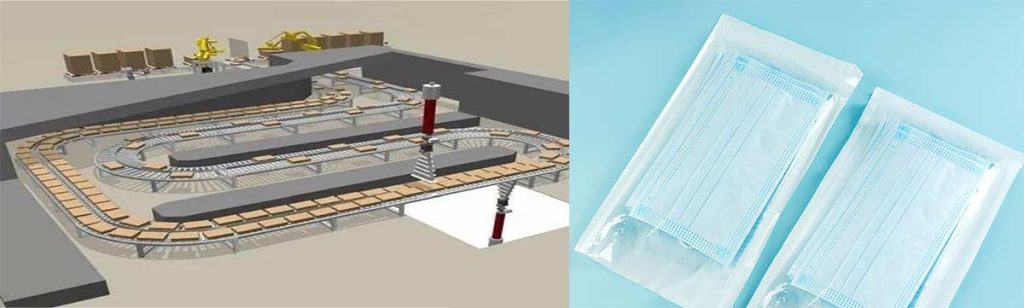
Ignoring manufacturer guidelines during medical devices sterilization can have severe consequences. These guidelines provide specific instructions for cleaning, sterilization methods, and maintenance, tailored to each device’s design and material. Failure to follow these instructions often results in guesswork, leading to incomplete sterilization and increased risks of contamination.
The outcomes of neglecting manufacturer guidelines include patient safety risks, regulatory violations, and accreditation challenges. For example, non-compliance with 42 CFR 416.51(a) can result in citations, while improper practices may cause facilities to fail accreditation surveys. A notable incident involved a Mycobacterium chimaera outbreak linked to the improper sterilization of heater-cooler devices, exposing patients to harmful bacteria.
| Consequence | Description |
|---|---|
| Patient Safety Risk | Ignoring guidelines leads to guesswork in sterilization outcomes, risking patient safety. |
| Regulatory Violation | Non-compliance with 42 CFR 416.51(a) can result in citations. |
| Accreditation Risk | Facilities may fail accreditation surveys due to improper practices. |
| Incident | Outcome |
|---|---|
| Mycobacterium chimaera outbreak | Linked to improper sterilization of heater-cooler devices, exposing patients to harmful bacteria. |
Healthcare facilities must prioritize adherence to manufacturer guidelines to ensure effective sterilization and compliance with industry standards. Routine audits and inspections can help identify deviations and reinforce proper practices.
Insufficient Staff Training
Failure to train and educate staff in sterile processing departments is a significant factor contributing to medical device sterilization failures. Insufficient training leads to errors in cleaning, sterilization methods, and equipment handling, increasing the risk of contamination and infections. Surgical site infections (SSIs) caused by contaminated devices cost the healthcare system $3.3 billion annually. Hospital-acquired infections (HAIs), including SSIs, result in a mortality rate where 1 in 17 patients who contract an HAI will die.
- Insufficient training in sterile processing departments can lead to errors in medical devices sterilization, increasing the risk of infections.
- Surgical site infections (SSIs) resulting from contaminated devices have an associated annual cost of $3.3 billion.
- Hospital-acquired infections (HAIs), including SSIs, result in a mortality rate where 1 in 17 patients who contract an HAI will die as a result.
Additionally, untrained staff may struggle to meet industry regulations, putting facilities at risk of losing accreditation and facing penalties. Comprehensive training programs are essential for equipping staff with the knowledge and skills needed to perform their roles effectively. These programs should cover cleaning techniques, sterilization methods, and equipment maintenance to minimize errors and ensure patient safety.
Note: Investing in staff training not only improves sterilization outcomes but also enhances compliance with industry standards and reduces financial losses associated with HAIs.
Essential Tips for Effective Sterilization
Comprehensive Training Programs
Comprehensive training programs form the backbone of effective medical devices sterilization. Properly trained staff can identify potential errors in cleaning and sterilization processes, reducing the risk of contamination and infection. These programs should cover every aspect of sterilization, including cleaning techniques, sterilization methods, and equipment handling.
Training should also emphasize the importance of following reliable sterilization methods tailored to specific medical devices. For instance, staff must understand when to use electron beam sterilization for heat-sensitive instruments. Regular workshops and hands-on sessions can help reinforce these concepts, ensuring that staff remain updated on the latest industry standards and practices.
Tip: Facilities should implement competency assessments to evaluate staff performance and identify areas for improvement. This proactive approach enhances patient safety and minimizes sterilization failures.
Adherence to Manufacturer Instructions
Adhering to manufacturer instructions is critical for ensuring the effective sterilization of surgical instruments. These guidelines provide detailed steps for cleaning, sterilization methods, and maintenance, tailored to the unique design and material of each device. Ignoring these instructions can lead to incomplete sterilization, increasing the risk of contamination and compromising patient safety.
Facilities that strictly follow manufacturer protocols often experience improved efficiency and safety outcomes. For example, data shows that facilities using CensisAI2 processed 20% more trays per month with the same staff, demonstrating the operational benefits of adherence. Continuous monitoring of sterilization data also helps identify trends that could indicate potential safety risks, further supporting the importance of following instructions.
| Statistic | Description |
|---|---|
| 20% increase | Facilities using CensisAI2 processed 20% more trays per month with the same staff. |
| Enhanced patient safety | Monitoring data helps identify trends that may indicate potential safety risks. |
Note: Staff should always consult the manufacturer’s guidelines before sterilizing any medical device. This practice ensures compliance with industry standards and enhances the reliability of sterilization outcomes.
Regular Equipment Maintenance
Regular maintenance of sterilization equipment is essential for preventing common errors and ensuring optimal performance. Well-maintained equipment reduces the likelihood of inconsistent sterilization, which can lead to contamination and health risks. Maintenance protocols also help detect potential issues before they result in equipment failure or downtime.
Following guidelines from organizations like AAMI, such as ST79 and ST91, can help facilities establish effective maintenance programs. These programs not only enhance sterilization reliability but also improve infection prevention strategies. Implementing quality management systems further reduces operational disruptions and creates a safer environment for patients.
| Evidence Type | Description |
|---|---|
| Maintenance Protocols | Regular maintenance ensures optimal performance and prevents HAIs. |
| Industry Standards | Guidelines like AAMI ST79 and ST91 enhance sterilization reliability. |
| Quality Management Systems | Comprehensive systems reduce downtime and improve infection prevention. |
Alert: Neglecting equipment maintenance can result in accidents, safety hazards, and sterilization failures. Facilities must prioritize routine checks and validations to avoid these risks.
Quality Assurance Protocols
Quality assurance protocols ensure consistent and effective medical devices sterilization. These protocols establish a systematic approach to identifying and addressing potential errors in sterilization processes. Facilities that implement robust quality assurance measures can maintain high standards of patient safety and reduce the risk of contamination.
Key components of quality assurance include process validation, performance testing, and routine monitoring. Process validation confirms that sterilization methods consistently achieve the desired Sterility Assurance Level (SAL). Performance testing evaluates the effectiveness of sterilization equipment and ensures that it operates within specified parameters. Routine monitoring involves tracking sterilization cycles and verifying that all instruments meet cleanliness and sterility requirements.
Facilities should also adopt reliable sterilization methods tailored to the specific needs of their medical devices. For example, low-temperature sterilization methods are ideal for heat-sensitive instruments, while high-temperature methods work well for durable materials. By following these protocols, healthcare providers can ensure that their sterilization processes remain effective and compliant with industry standards.
Tip: Establishing a dedicated quality assurance team can help facilities identify areas for improvement and implement corrective actions promptly.
Routine Audits and Inspections
Routine audits and inspections play a critical role in maintaining the integrity of medical devices sterilization. These activities help identify deviations from established protocols and ensure compliance with regulatory standards. Regular audits also provide an opportunity to assess the effectiveness of cleaning procedures and sterilization methods.
During audits, inspectors evaluate various aspects of the sterilization process, including equipment maintenance, staff training, and adherence to manufacturer instructions. They also review documentation to verify that all sterilization activities are properly recorded. Inspections often uncover issues such as improper cleaning techniques, incorrect sterilization settings, or equipment malfunctions. Addressing these issues promptly can prevent contamination and enhance patient safety.
Healthcare facilities should schedule routine audits at regular intervals and involve all relevant staff members. This collaborative approach fosters a culture of accountability and continuous improvement. Facilities that prioritize audits and inspections are better equipped to maintain reliable sterilization methods and ensure the safety of their patients.
Alert: Neglecting routine audits can lead to undetected errors in sterilization processes, increasing the risk of contamination and regulatory non-compliance.
Proper Documentation Practices
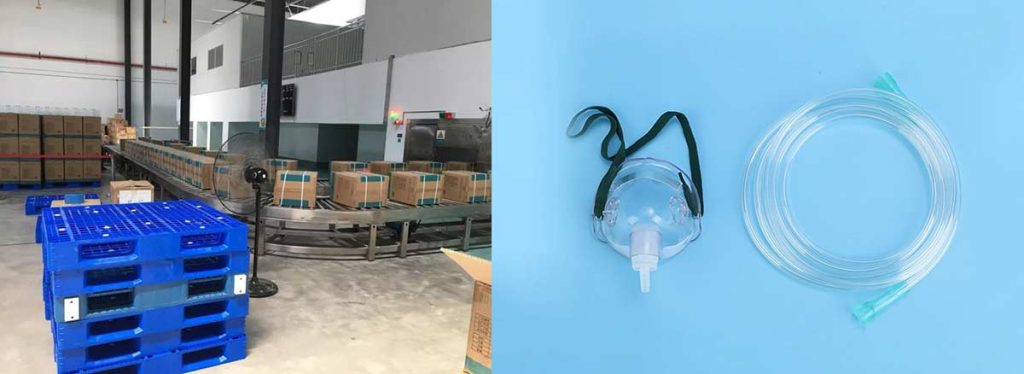
Proper documentation practices are essential for ensuring consistent sterilization performance and compliance with regulatory standards. Comprehensive records provide objective evidence that sterilization processes meet predetermined criteria and do not compromise the performance of medical devices.
Facilities should maintain detailed documentation of all validation activities, including test results, protocols, and performance testing of products and packaging. These records confirm that sterilization parameters, such as temperature and pressure, consistently achieve the desired Sterility Assurance Level (SAL). Proper documentation also supports quality assurance efforts by identifying trends and potential areas for improvement.
For example, documenting the results of performance testing after sterilization ensures that the process does not negatively impact the functionality of medical devices. This practice not only enhances patient safety but also helps facilities meet regulatory requirements and avoid penalties.
Note: Comprehensive documentation serves as a valuable resource during audits and inspections, demonstrating a facility’s commitment to maintaining high standards of care.
Conclusion
Errors of medical devices sterilization can lead to severe consequences, including contamination and compromised patient safety. Common mistakes, such as improper cleaning, incorrect methods, and insufficient training, highlight the need for strict adherence to instructions and best practices. Facilities must prioritize comprehensive training, regular audits, and adherence to manufacturer guidelines to prevent these errors.
Adopting advanced technologies like AI and machine learning can significantly reduce human errors in sterilization processes. Studies reveal that 88.6% of errors stem from visualization tasks, emphasizing the need for technological solutions. Additionally, hospitals with low infection rates benefit from financial rewards under CMS’s Value-Based Purchasing program, reinforcing the importance of effective sterilization practices.
Reminder: Continuous improvement and compliance with industry standards ensure safer outcomes for patients and reduce financial and operational risks for healthcare facilities.