


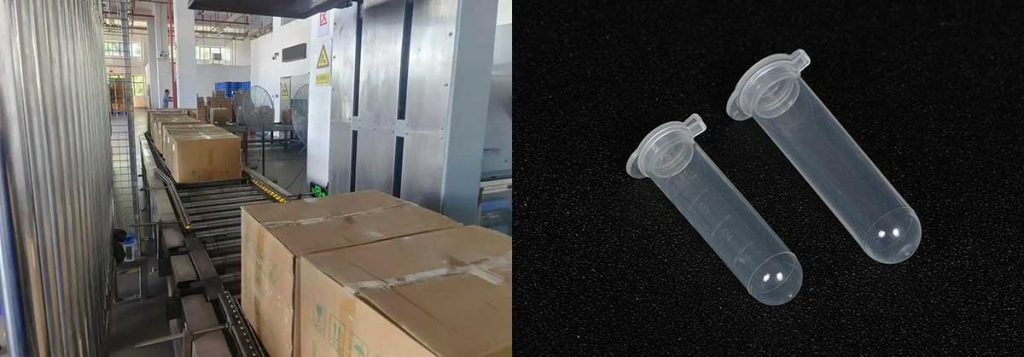
Asia Pacific continues to lead the global medical device market, reaching USD 78.25 billion in 2024 and projected to nearly double by 2031. The region’s surge in medical services responds to a growing geriatric population, higher surgical intervention rates, and increased medical tourism. Healthcare providers now rely on e-beam sterilization to meet strict safety, efficiency, and regulatory standards. Electron beam irradiation equipment enables rapid sterilization of heat-sensitive medical devices, supporting the expansion of Asia Pacific medical services.
| Year | Market Value (USD Billion) | CAGR (%) |
|---|---|---|
| 2024 | 78.25 | 8.27 |
| 2031 | 147.77 |
Key Takeaways
- Asia Pacific’s medical device market is set to grow significantly, reaching USD 78.25 billion in 2024 and nearly doubling by 2031, driven by an aging population and increased medical services.
- E-beam sterilization offers a fast and effective method for sterilizing heat-sensitive medical devices, meeting strict safety and regulatory standards.
- Government support and rising consumer demand for safe sterilization methods are key factors driving the growth of e-beam sterilization services in the region.
- Technological advancements, including AI integration, enhance the efficiency and safety of e-beam sterilization, supporting the rapid production of medical devices.
- Sustainability is a major focus, as e-beam sterilization uses clean electricity and produces no hazardous waste, aligning with global environmental goals.
E-Beam Sterilization in Asia Pacific
Market Drivers
The asia pacific disposable medical devices e-beam sterilization services market reached USD 1.2 billion in 2024, marking the fastest growth rate in the region. Several factors drive this expansion. Hospitals and healthcare providers in asia and pacific countries face high demand for single-use medical devices. The growing demand in pharmaceuticals and the need for sterile products in medical settings push the e-beam sterilization services market forward.
- Rising consumer demand for safe and effective sterilization methods shapes the asia pacific disposable medical devices e-beam sterilization services market.
- Regulatory support from agencies such as the FDA and EMA encourages adoption of advanced sterilization technologies.
- Evolving technologies, including electron beam irradiation equipment, enhance the efficiency and reliability of single-use device sterilization.
- Governments in asia and pacific regions incentivize modernization of sterilization infrastructure, especially in emerging economies.
- The asia pacific disposable medical devices e-beam sterilization services market benefits from increased awareness of hygiene and infection control, especially after COVID-19.
Key market insights reveal that the e-beam sterilization services market offers faster turnaround time and higher throughput for medical device manufacturers. This efficiency supports the growing demand for disposable healthcare products and single-use medical devices. Electron beam irradiation equipment plays a strategic role in meeting regulatory requirements and improving material properties for medical and pharmaceutical applications.
Regulatory Factors
Regulatory agencies in asia and pacific regions play a crucial role in shaping the e-beam sterilization services market. Support from government bodies and international organizations helps drive adoption, but challenges remain.
| Support for E-beam Technology | Challenges in E-beam Adoption |
|---|---|
| Government support for radiation technologies, including funding and technical training from agencies like IAEA. | Regulatory variability and high capital investment requirements hinder adoption. |
| National agencies promote non-radioactive sterilization methods to reduce reliance on chemicals. | Absence of harmonized global standards creates operational complexities. |
| Investment in e-beam facilities in countries like India to support agriculture and biomedical industries. | Variation in dose limits and product approval processes increases compliance costs by 15-20%. |
Regulatory standards for medical and pharmaceutical sterilization continue to rise in asia pacific. Authorities set strict guidelines to ensure safety and environmental sustainability. The e-beam sterilization services market aligns with these standards, offering eco-friendly solutions for healthcare and pharmaceutical industries. National agencies encourage the use of electron beam irradiation equipment to reduce chemical exposure and improve sterilization outcomes.
The asia pacific disposable medical devices e-beam sterilization services market faces challenges such as regulatory variability and high initial investment. However, government focus on healthcare infrastructure and investment in domestic facilities help overcome these barriers. The market trends indicate that harmonization of standards and increased support from regulatory agencies will further boost the adoption of e-beam sterilization in asia pacific.
APAC Medical Device Market Growth
Expansion Trends
Asia Pacific continues to experience robust expansion in the medical device sector. The region’s medical device sterilization market grew from USD 942.41 million in 2021 to USD 1,799.43 million in 2028, reflecting a 7.75% compound annual growth rate. This growth highlights the increasing demand for advanced sterilization solutions, especially e-beam sterilization, across asia and pacific countries. The integration of artificial intelligence and Internet of Things technologies into medical devices has transformed healthcare services. Providers now offer personalized medicine and telehealth services, meeting the evolving needs of patients.
- Technological innovations drive the development of new medical devices.
- The aging population in asia and pacific regions increases demand for chronic disease management solutions.
- Home care services and devices for non-communicable diseases have become essential, as these diseases account for nearly 70% of deaths in the region.
- Dental implants and internal fixation devices show rapid growth, with dental implants projected to achieve a 24.1% CAGR from 2025 to 2032.
The region leads the e-beam sterilization machine market, with the highest growth rate globally. Rapid market development in emerging economies like India and China supports expansion, driven by healthcare infrastructure investments and government initiatives.
Key Growth Factors
Several factors contribute to the strong growth of the asia pacific medical device market. Increased investments in advanced manufacturing technologies improve production efficiency and quality. The rising incidence of chronic diseases boosts demand for innovative medical and pharmaceutical devices. Many countries focus on local production to meet domestic needs and reduce costs.
| Key Factors | Description |
|---|---|
| Increased investments in advanced manufacturing technologies | Significant funding is directed towards improving production capabilities and efficiency. |
| Rising incidence of chronic diseases | An increase in chronic health issues drives demand for medical devices. |
| Trend towards local medical device production | More countries are focusing on producing devices locally to meet domestic needs. |
| Cost efficiency | Companies are seeking ways to reduce production costs while maintaining quality. |
| Skilled workforce | Availability of trained professionals enhances production and innovation in the sector. |
| Favorable regulatory environments | Supportive regulations encourage the growth and entry of new medical devices in the market. |
| Growing demand for medical technologies | Increased healthcare awareness and needs in Asian countries boost the demand for medical devices. |
E-beam sterilization remains a preferred method for medical and pharmaceutical device manufacturers in asia and pacific regions. The market trends indicate continued growth, supported by favorable regulatory environments and a skilled workforce. Companies respond to increasing demand for safe, efficient, and high-quality healthcare services by investing in advanced sterilization technologies.
E-Beam Sterilization Machine Market
Global Market Overview

The global e-beam sterilization machine market continues to expand at a remarkable pace. Industry analysts project the market to reach USD 1,500 million in 2024, with further growth expected over the next decade. The market size reflects rising investments in healthcare and pharmaceutical sectors, as well as the increasing adoption of advanced sterilization technologies. E-beam sterilization machine market growth is driven by several factors, including the efficiency of non-thermal sterilization and the need for aseptic packaging in pharmaceutical manufacturing.
| Year | Market Size (USD Million) | CAGR (%) |
|---|---|---|
| 2023 | 1230 | N/A |
| 2024 | 1500 | N/A |
| 2030 | 2139 | 11.8 |
| 2033 | 2800 | 7.2 |
The global e-beam sterilization machine market benefits from increased healthcare expenditure, which leads to more surgical procedures and a higher need for sterile medical equipment. The demand for e-beam sterilization services rises as manufacturers seek reliable solutions for sensitive medical devices and packaging. The pharmaceutical industry also relies on e-beam sterilization machine market advancements to ensure regulatory compliance and product safety.
Asia Pacific Leadership
Asia Pacific stands out as the fastest-growing region in the global e-beam sterilization machine market. Several factors contribute to this leadership position:
- Asia Pacific has a large population base, which increases the need for healthcare services and medical device sterilization.
- Medical tourism from emerging economies in Asia Pacific drives the demand for advanced sterilization solutions.
- The region experiences a surge in reusable medical equipment, requiring effective e-beam sterilization services.
- Hospital admissions and surgical procedures continue to rise, further boosting the e-beam sterilization machine market.
Asia Pacific distinguishes itself through rapid healthcare sector expansion and significant government investments in infrastructure. Countries such as China, India, and Japan lead the region in adopting e-beam sterilization machine market technologies. Rising awareness about infection control practices and the need for high-quality medical services support market growth. Asia Pacific accounted for approximately 25% of the global e-beam sterilization machine market share in 2023, with a projected CAGR of 9.2% during the forecast period.
Asia Pacific’s leadership in the global e-beam sterilization machine market reflects its commitment to innovation, safety, and efficiency in medical device sterilization. The region’s focus on advanced healthcare services and infection control continues to drive demand for e-beam sterilization solutions.
Trends in E-Beam Sterilization
Technology Advances
Asia and Pacific regions continue to lead in technological innovation for e-beam sterilization. Recent advancements in electron beam accelerators have transformed the effectiveness and efficiency of sterilization services. Manufacturers in the medical sector now benefit from high-throughput sterilization services that support rapid production cycles. The integration of artificial intelligence and smart technology into sterilization systems allows for real-time monitoring and improved safety.
| Advancement Type | Description |
|---|---|
| Efficiency Improvements | New e-beam systems increase efficiency and reduce operational costs for medical manufacturers. |
| AI Integration | Automation and AI enhance accuracy and safety in sterilization processes. |
| Faster Processing Techniques | Advanced systems enable faster processing for medical device manufacturing. |
| Enhanced R&D Efforts | Ongoing research leads to innovative sterilization techniques and improved outcomes. |
| Smart Technology Integration | IoT applications provide real-time data for process optimization. |
| Eco-Friendly Innovations | Non-thermal pasteurization methods minimize environmental impact. |
Asia and Pacific medical device companies now rely on these advancements to meet the growing demand for safe, reliable, and efficient sterilization services. Enhanced processing speeds and automation help address the needs of expanding healthcare markets.
Sustainability
Sustainability has become a central focus for medical device manufacturers in Asia and Pacific regions. E-beam sterilization stands out as a non-toxic sterilization technology that supports environmental sustainability goals. This method uses clean electricity, often sourced from renewables, and produces no hazardous waste.
| Method | Environmental Impact | Notes |
|---|---|---|
| E-Beam Sterilization | More eco-friendly, uses clean electricity, produces no hazardous waste | Facilities like NextBeam use up to 84% renewable energy |
| Ethylene Oxide (EtO) | Toxic gas, higher environmental impact, requires careful disposal | EPA sets new limits due to environmental concerns |
| Gamma Sterilization | Relies on radioactive cobalt-60, presents sustainability challenges | Limited supply and geopolitical risks |
- The focus on sustainability and energy efficiency drives the adoption of e-beam sterilization in the medical device industry.
- E-beam sterilization minimizes environmental impact and reduces energy consumption, aligning with global climate change efforts.
- The non-toxic nature of this technology simplifies product handling and disposal.
- Manufacturers in Asia and Pacific regions view e-beam sterilization as a transformative solution for optimizing processes while meeting sustainability objectives.
The shift toward eco-friendly sterilization services reflects the region’s commitment to responsible healthcare growth and environmental stewardship.
Future Outlook for Asia Pacific
Opportunities
Asia Pacific stands at the forefront of global growth in e-beam sterilization. The global e-beam irradiation market is projected to reach USD 250 million by 2033, with an expected CAGR of 10.5% from 2026 to 2033. This rapid expansion signals strong investment opportunities for manufacturers and investors in the region.
- Rapid industrialization and urbanization in asia and pacific countries, especially China and India, drive demand for advanced medical services.
- Regulatory pressures for product safety create new avenues for manufacturers to expand operations and improve compliance.
- The shift toward eco-friendly sterilization methods positions e-beam sterilization as a preferred solution, minimizing environmental impact and waste.
- Countries such as Japan and South Korea lead in adopting e-beam systems, supported by robust industrial sectors.
- Domestic vendors in China ramp up production to meet rising demand, while India’s generics sector explores e-beam sterilization to align with international standards.
Medical device manufacturers in asia and pacific regions benefit from these trends, as healthcare services evolve and require more sophisticated sterilization solutions. Service providers focused on sustainability find new opportunities to deliver efficient, environmentally responsible solutions.
Asia Pacific’s diverse market landscape offers unique growth prospects for companies investing in e-beam sterilization, with each country presenting distinct regulatory and operational advantages.
Stakeholder Insights
Key stakeholders in asia and pacific regions recognize the increasing demand for e-beam sterilization. Advancements in healthcare infrastructure, heightened awareness of sterilization standards, and a surge in pharmaceutical manufacturing drive market growth. Regulatory changes push local manufacturers to adopt sophisticated sterilization technologies, improving market penetration and operational efficiency.
Industry leaders prepare for future trends by integrating advanced technologies such as AI, automation, and remote monitoring into e-beam sterilization processes. These innovations enhance efficiency, traceability, and compliance in infection control management. The demand for intelligent offsite sterilization services grows in China, India, Japan, and South Korea, where healthcare modernization remains a priority.
| Stakeholder Group | Strategic Focus | Emerging Trend |
|---|---|---|
| Manufacturers | Technology integration, process upgrades | AI and automation in sterilization |
| Regulators | Safety standards, compliance | Harmonization of regional guidelines |
| Investors | Market expansion, sustainability | Investment in eco-friendly services |
Medical device companies in asia and pacific regions continue to innovate, responding to evolving healthcare needs and regulatory requirements. The future outlook remains positive, with e-beam sterilization positioned as a key driver of safe, efficient, and sustainable medical services.

Conclusion
Asia Pacific’s medical device market and e-beam sterilization create a powerful synergy, driving safer, faster, and more reliable medical services.
- The region’s rapid healthcare expansion, rising hospital-acquired infections, and government support fuel investments in advanced sterilization equipment.
- Ongoing shifts from gamma to e-beam sterilization, improved processing, and digital monitoring transform medical services and food safety.
- Stakeholders should prioritize eco-friendly solutions, invest in healthcare infrastructure, and leverage automation to meet growing demand for medical services.
Asia Pacific’s leadership in sterilization technology innovation positions the region as a global benchmark for safe, efficient, and sustainable medical services.
FAQ
What Is E-Beam Sterilization?
E-beam sterilization uses high-energy electrons to destroy bacteria, viruses, and other pathogens on medical devices. This process ensures products remain safe for patient use without leaving chemical residues.
Why Do Medical Device Manufacturers Prefer E-Beam Sterilization?
Manufacturers choose e-beam sterilization for its speed, efficiency, and ability to sterilize heat-sensitive products. The method supports high production volumes and meets strict regulatory standards for safety.
How Does E-Beam Sterilization Support Sustainability?
E-beam sterilization uses electricity, often from renewable sources, and produces no hazardous waste. This approach reduces environmental impact compared to traditional methods that rely on chemicals or radioactive materials.
What Are the Main Applications of E-Beam Sterilization In Asia Pacific?
Hospitals and pharmaceutical companies use e-beam sterilization for single-use medical devices, surgical instruments, and packaging. The technology also supports food safety and other industrial services in the region.
Is E-Beam Sterilization Safe for All Medical Devices?
Most medical devices tolerate e-beam sterilization well, especially those sensitive to heat or chemicals. However, some materials may require testing to ensure compatibility with the process.