


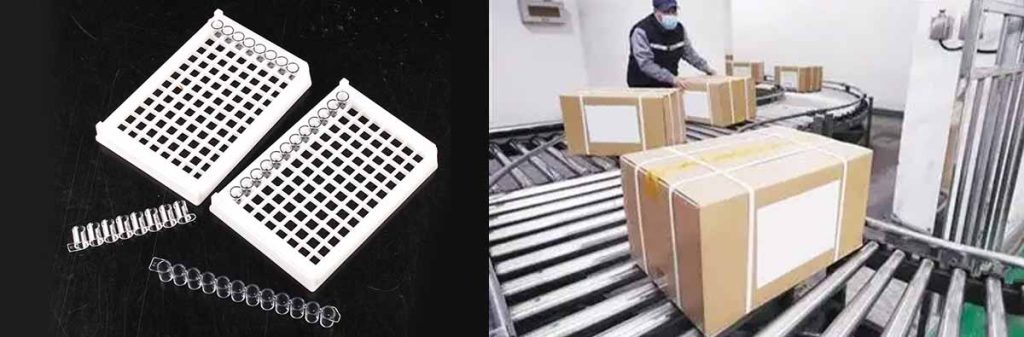
Electron beam irradiation provides an effective way to achieve cold pasteurization for spices and dehydrated vegetables without using high temperatures. Food safety remains a critical concern, as even dried products can carry harmful microbes. For example, a 2015 outbreak in Sweden linked to a spice mix with dried vegetables caused 174 cases of illness due to Salmonella enterica:
| Year | Location | Pathogen | Cases | Description |
|---|---|---|---|---|
| 2015 | Sweden | Salmonella enterica | 174 | Outbreak linked to a spice mix containing dried vegetables (carrots, onions, parsnips). |
Traditional heat-based methods often degrade flavor and nutrients. Non-thermal solutions like electron beam irradiation help maintain both quality and safety, reassuring producers and consumers.
Key Takeaways
- Electron beam irradiation effectively eliminates harmful microorganisms in spices and dehydrated vegetables without using heat, ensuring food safety.
- This non-thermal process preserves the natural flavor, texture, and nutrients of food, making it a superior alternative to traditional heat-based pasteurization.
- Cold pasteurization extends the shelf life of products, allowing for longer storage and reducing the need for artificial preservatives.
- Regulatory agencies approve electron beam irradiation, reassuring consumers about the safety and quality of irradiated foods.
- The technology is rapidly growing in the food industry, especially in regions like Asia Pacific, due to increasing demand for safe, high-quality food.
What Is Cold Pasteurization?
Definition and Purpose
Cold pasteurization, also known as food irradiation, uses ionizing radiation to eliminate harmful microorganisms in food while keeping the product at a low temperature. This method helps extend the shelf life of food items and preserves their nutritional and sensory qualities. Regulatory agencies recognize cold pasteurization as a safe and effective way to improve food safety. The process does not rely on heat, so it avoids the negative effects often seen with traditional thermal treatments.
The main objectives of cold pasteurization in food safety include:
| Objective | Description |
|---|---|
| Ensure food safety | Destroys pathogens and harmful bacteria, ensuring the safety of food. |
| Maintain quality and nutritional value | Preserves the original flavor, texture, and nutrients without using heat. |
| Extend shelf life | Increases the shelf life of products, allowing for longer storage. |
| Reduce need for preservatives | Minimizes or eliminates artificial preservatives and chemical additives. |
Non-thermal processing, such as cold pasteurization, plays a vital role in the food industry. It allows producers to maintain the natural qualities of food while ensuring safety.
Why Spices and Dehydrated Vegetables Need It?
Spices and dehydrated vegetables often carry a range of contaminants. Common pathogens found in untreated products include:
- Salmonella
- Bacillus species (including Bacillus cereus)
- Clostridium perfringens
- Shigella
- Staphylococcus aureus
- Insect parts and excrement
Traditional heat-based pasteurization can damage the flavor, aroma, and nutrients in these foods. Heat may degrade essential vitamins and alter the texture, making the products less appealing. Some microorganisms, especially heat-resistant spores, may survive thermal treatments, which raises food safety concerns.
Cold pasteurization offers a solution. It targets harmful microbes without affecting the sensory or nutritional properties of spices and vegetables. This approach helps producers deliver safe, high-quality products to consumers while meeting regulatory standards.
Electron Beam Irradiation Process
How the Technology Works?
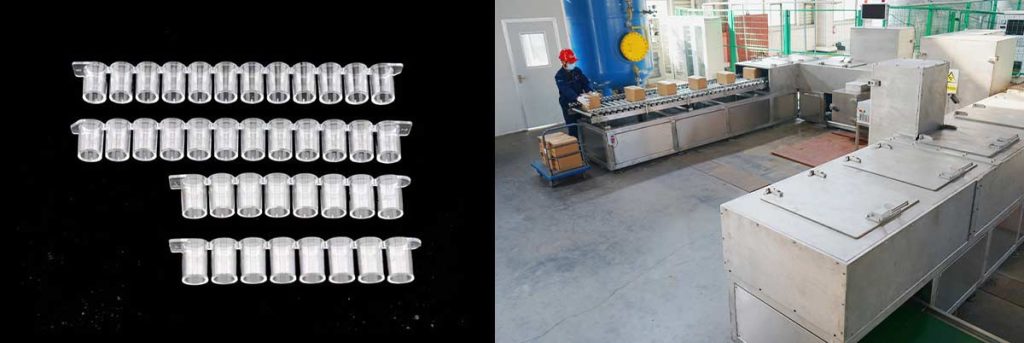
Electron beam irradiation uses high-energy electrons to sterilize food products such as spices and dehydrated vegetables. Facilities rely on electron beam irradiation equipment, which includes linear accelerators and conveyor systems. Operators place products on a conveyor that moves them through a radiation-shielded chamber. The chamber protects workers and the environment from exposure to ionizing radiation.
The process flow in food processing facilities typically involves several steps:
- Electron beam and X-ray technologies treat food for microbial pathogen elimination and sterilization.
- The irradiation process is calibrated based on absorbed dose, measured in kilograys (kGy).
- Operators control the dose delivered by adjusting the duration the product remains under the beam, managed by conveyor speed.
- Facility control systems ensure consistent and uniform dose delivery during irradiation.
Electron beam technology offers rapid processing, making it ideal for high-volume operations. Unlike gamma irradiation, electron beam irradiation does not require radioactive sources, which reduces environmental concerns and operational complexity. The technology provides a low carbon footprint and supports a wide range of materials with minimal degradation.
Tip: Electron beam irradiation equipment allows precise control over dose and exposure time, ensuring effective microbial decontamination while maintaining food quality.
Microbial Inactivation Mechanism
Microbial inactivation occurs when high-energy electrons interact with microbial cells. These electrons transfer kinetic energy to the cells, forming reactive free radicals such as hydroxyl radicals. The free radicals initiate chemical reactions that damage structural and functional biomolecules, especially DNA.
The mechanism involves both direct and indirect damage:
- High-energy electrons cause single- and double-strand breaks in DNA.
- Sensitive microorganisms, like E. coli, cannot repair double-strand breaks, leading to cell death.
- Increased radiation doses result in higher DNA damage, reducing bacterial load and extending shelf life.
The following table summarizes scientific studies on the effectiveness of electron beam irradiation in reducing microbial loads in spices and dehydrated vegetables:
| Energy Level (keV) | Microbial Effectiveness | Dominant Microorganisms Found After Irradiation |
|---|---|---|
| 200-230 | Insufficient for black pepper | Bacillus subtilis (non-irradiated) |
| 300 | Comparable to 10 MeV | Cronobacter sakazaki, Bacillus megaterium |
| 10 MeV | High effectiveness | Bacillus subtilis (non-irradiated) |
Electron beam irradiation achieves significant microbial inactivation, protecting public health by preventing foodborne illnesses. The process reduces foodborne pathogens and adulterants, making it a reliable method for microbial decontamination.
Minimal Impact on Quality
Electron beam irradiation stands out for its minimal impact on food quality. The process is non-thermal, so it does not expose products to high temperatures. This feature preserves the natural flavor, texture, and nutrients of spices and dehydrated vegetables.
Compared to other non-thermal pasteurization technologies, electron beam irradiation offers several advantages:
| Feature | Electron Beam Irradiation (E-Beam) | High-Pressure Processing (HPP) |
|---|---|---|
| Process Type | Non-thermal | Cold pasteurization |
| Best For | Heat-sensitive products | High-moisture products |
| Efficiency | Rapid processing, ideal for high-volume | Batch-based, suitable for small-scale |
| Material Compatibility | Wide range, minimal degradation | Limited to certain packaging |
| Environmental Impact | Low carbon footprint | Higher operational costs |
| Product Quality Retention | Preserves texture, flavor, nutrients | Maintains quality of fresh products |
Electron beam irradiation is effective in inactivating food-borne pathogens while preserving nutritional and sensory qualities. The process is fast, low-cost, and non-polluting. Although increased treatment duration or power can enhance antimicrobial efficiency, it may also cause physicochemical changes in treated products. Operators must balance dose and exposure time to optimize microbial inactivation and maintain food quality.
Applications of ebi continue to expand in the food industry, offering reliable solutions for microbial decontamination. Electron beam technology supports safe, high-quality products and meets the demands of modern food processing.
Benefits of Electron Beam Technology
Food Safety and Shelf Life
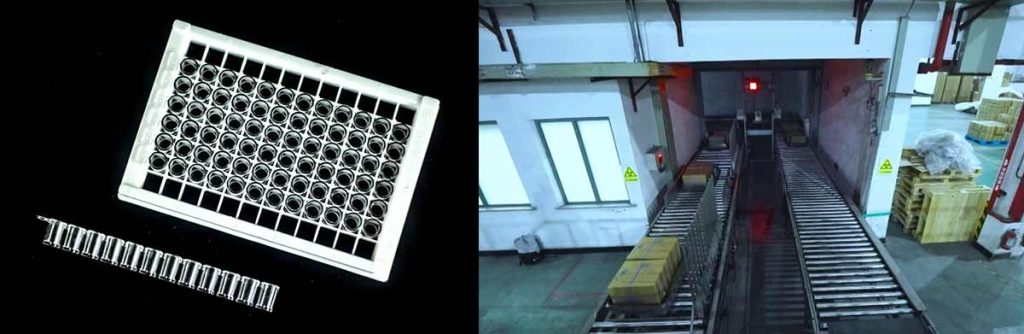
Electron beam technology offers several advantages for food safety applications. It reduces microbial load, extends shelf life, and controls pests in both food and packaging. Many facilities use e-beams for meats and spices to eliminate microbial pathogens. The process works quickly, delivering higher dose rates than gamma radiation. This speed allows for shorter processing times and greater efficiency.
- E-beam technology reduces reliance on chemical treatments, supporting chemical-free food production.
- It consumes less energy than other irradiation methods, resulting in a smaller carbon footprint.
- The process helps maintain product safety by inactivating a broad range of microorganisms.
The following list highlights key benefits:
- Effective pathogen control for spices and dehydrated vegetables
- Extended shelf life for a variety of products
- Reduced operational costs and energy consumption
Preservation of Taste and Nutrients
Electron beam irradiation preserves the natural taste, aroma, and nutrients of food. Unlike traditional heat-based pasteurization, it does not expose products to high temperatures. This non-thermal process minimizes the loss of volatile compounds and maintains the original texture.
A comparison of operational costs shows that electron beam irradiation equipment costs between $2 and $4 million, with annual electricity costs around $400,000. The cost to irradiate meat is only $0.015 to $0.02 per pound. The process also reduces processed juice volume by 80% and cuts energy consumption by over 70% compared to traditional methods.
Note: Electron beam irradiation accelerates biodegradation of packaging materials, which can benefit the environment.
Regulatory and Consumer Acceptance
Regulatory agencies such as the fda and usda have approved electron beam irradiation for many food safety applications. The fda and usda oversee more than 180 irradiation facilities in the United States, where 60% of spice exports undergo irradiation. Europe and Asia-Pacific also have hundreds of approved facilities, with strict regulations on doses and labeling.
| Region | Metric Tons Processed | Key Products | Regulatory Notes |
|---|---|---|---|
| United States | 190,000 | Red meat, poultry, seafood, spices | Over 180 irradiation facilities; 60% of spice exports irradiated in 2024. |
| Europe | 165,000 | Ready-to-eat, organic foods | 134 approved facilities; strict regulations on doses and labeling. |
| Asia-Pacific | 285,000 | Spices, seafood, fruits | 213 facilities; government incentives in China and India for new installations. |
Consumer studies show that many people are willing to buy irradiated foods, especially when they understand the benefits for food safety applications. Education about foodborne pathogens and the role of irradiation increases acceptance. The fda and usda continue to provide guidance and oversight, helping to reassure both industry professionals and consumers about product safety.
Facility and Process Controls
Equipment and Dose Control
Electron beam irradiation plant requires specialized equipment and strict process controls to ensure safe and effective treatment of spices and dehydrated vegetables. Operators use linear accelerators and conveyor systems to deliver high-energy electrons. The equipment must meet technical requirements for energy sources and compliance. The following table summarizes key requirements:
| Requirement Type | Details |
|---|---|
| Energy Sources | Electrons from machine sources (≤10 MeV), X rays (≤5 MeV), gamma rays from sealed units. |
| Compliance | Scheduled processes established by qualified experts. |
| Record Keeping | Maintain records for at least one year beyond product shelf life. |
Operators calibrate the dose based on the type of treatment. Pasteurization of spices typically uses a dose range of 10–30 kGy, while sterilization may require up to 50 kGy. Dose control ensures effective microbial inactivation without compromising product quality. Advanced control systems optimize dose delivery and improve efficiency. Recent advancements include compact, modular designs and higher efficiency accelerators, which lower operating costs and support diverse facility layouts.
Note: Facilities must validate the effectiveness of irradiation by testing representative samples at doses at least twice the minimum required. This practice helps identify any unacceptable changes in product or packaging.
Quality Assurance Measures
Quality assurance protocols play a vital role in maintaining consistent and safe results. Facilities implement daily, monthly, and annual QA tests to monitor equipment performance and process accuracy. The American Association of Physicists in Medicine (AAPM) task group 142 provides guidelines for clinical linear accelerators, focusing on deviations from baseline values and acceptable tolerance limits.
Facilities follow international standards such as ASTM F1356-22 for food safety and ISO 11137 for radiation sterilization. The table below highlights key protocols:
| Protocol/Standard | Description |
|---|---|
| AAMI Guideline | Outlines complexity requirements for electron beam sterilization. |
| ASTM/IAEA | Define methods for off-line dose verification. |
| IMPELA Review | Discusses limitations of dosimetry and monitoring. |
Operators address challenges like high capital costs, regulatory compliance, and scalability by adopting technological advancements and eco-friendly practices. Collaboration among industry players supports standardization and awareness. Facilities use off-line and on-line monitoring to verify absorbed dose and ensure product safety. These measures help maintain high standards and build trust with consumers and regulators.
Conclusion
Electron beam irradiation offers a gentle and effective solution for cold pasteurization. Recent reviews highlight several strengths:
- The technology inactivates harmful microorganisms, improving food hygiene and safety.
- Doses between 0 and 20 kGy reduce pathogens like Salmonella and E. coli.
- Manufacturers deliver precise doses quickly, preserving product quality.
E-beam systems help producers maintain flavor and nutrients while meeting strict safety standards. Regulatory agencies approve its use for many foods.
Industry experts expect rapid growth in electron beam technology. Asia Pacific will likely see the fastest adoption as demand for safe, high-quality food rises worldwide.
FAQ
What Is Electron Beam Irradiation Used for in Food Processing?
Electron beam irradiation helps eliminate pathogens in spices and dehydrated vegetables. Facilities use this technology to improve food safety and extend shelf life. The process does not change the taste or nutrients in the products.
How Does Electron Beam Irradiation Destroy Pathogens?
High-energy electrons damage the DNA of pathogens. This action prevents pathogens from reproducing and causes cell death. The process works quickly and does not require heat, which protects food quality.
Tip: Electron beam irradiation targets pathogens at the molecular level, making it highly effective for food safety.
Does Electron Beam Irradiation Affect the Flavor or Nutrients of Spices?
Electron beam irradiation preserves the natural flavor and nutrients. The process does not use heat, so it avoids the loss of volatile compounds. Producers rely on this method to keep spices and dehydrated vegetables fresh and safe from pathogens.
Is Electron Beam Irradiation Safe for Consumers?
Regulatory agencies approve electron beam irradiation for food safety. The process removes pathogens without leaving harmful residues. Consumers can trust that irradiated spices and vegetables meet strict safety standards.
| Safety Aspect | Details |
|---|---|
| Pathogen Removal | Destroys pathogens effectively |
| Nutrient Retention | Maintains vitamins and minerals |
| Regulatory Approval | Meets FDA and USDA requirements |
What Types of Pathogens Can Electron Beam Irradiation Remove?
Electron beam irradiation eliminates a wide range of pathogens. These include bacteria, viruses, and fungi found in spices and dehydrated vegetables. The process targets pathogens such as Salmonella, E. coli, and Bacillus species.
- Salmonella
- E. coli
- Bacillus cereus
- Clostridium perfringens
- Shigella
- Staphylococcus aureus
Electron beam irradiation also reduces insect parts and other contaminants that may carry pathogens.