


Ebeam cable drives significant advancements in the automotive industry. Electron beam crosslinking enhances the thermal stability, mechanical strength, and chemical resistance of wires, cables, and engineered plastics used in vehicles. Recent market data highlights growing demand, with electron beam machine improving vehicle structural performance and reducing thermal distortion. Studies show cross-linked polymers resist melting at high temperatures and offer superior impact resistance.
| Aspect | Details |
|---|---|
| Market Growth | Demand from automotive sector boosts market expansion. |
| Applications | Electron beam devices support welding of critical vehicle parts. |
| Benefits | Increased performance, reduced thermal distortion, smaller zones. |
Key Takeaways
- Ebeam cable enhances automotive wires and plastics, improving thermal stability, mechanical strength, and chemical resistance.
- This technology supports the production of lightweight components, boosting fuel efficiency and overall vehicle performance.
- Ebeam crosslinking creates durable materials that withstand extreme temperatures and harsh environments, ensuring long-lasting reliability.
- Automotive manufacturers benefit from reduced maintenance costs and compliance with safety and environmental regulations through the use of ebeam cables.
- Investing in electron beam technology opens up growth opportunities for manufacturers, promoting sustainability and innovation in the automotive sector.
Ebeam Cable in Automotive
Performance Boost
Ebeam cable delivers a significant performance boost for the automotive industry. Manufacturers use it to create lightweight components for vehicles, which improves fuel efficiency and overall performance. The process supports the production of custom parts, allowing rapid prototyping and faster time to market. Automotive wiring technology now relies on high-performance power cables and advanced wiring solutions to meet the demands of electrification and automation.
| Application Type | Description |
|---|---|
| Lightweight Components | Used to manufacture engine parts and structural elements, enhancing fuel efficiency and performance. |
| Custom Parts | Supports prototyping and production of custom parts, accelerating design iterations and reducing time to market. |
Automotive electrical systems require high-speed data transfer and reliable power distribution efficiency. Ebeam cable enables high-voltage wiring and next-generation wiring harnesses, supporting advanced driver-assistance systems. The global automotive wires and cables market benefits from this technology, as it allows for smaller, more efficient cables that handle increased data and power needs.
Note: Electron beam welding (EBW) enables short cycle times with automatic loading and unloading, while hairpin stators in electric motors use ebeam cable for precise connections and consistent weld bead geometry.
Durability Gains
Automotive wires and cables must withstand harsh environments, including extreme temperatures and chemical exposure. Ebeam cable enhances the durability of wiring by improving resistance to heat, abrasion, and chemicals. This advancement ensures that cables maintain integrity throughout the vehicle’s lifespan.
The automotive wires and cables market now demands solutions that meet strict regulatory standards. The ECE R-118 regulation governs the burning behavior of materials in passenger compartments, including wiring and cables. All components must comply with these standards to ensure safety and reliability.
Automotive wiring benefits from ebeam cable’s ability to reduce curing time to less than a second, lower energy consumption, and minimize environmental impact by eliminating most volatile organic compounds. These features support connectivity and sustainability goals in modern vehicles. As electrification continues to shape the market, manufacturers rely on durable, efficient cables for high-speed data transfer and power delivery.
Electron Beam Crosslinking
How It Works?
Electron beam crosslinking uses high-energy electrons to change the structure of polymers in automotive wires and cables. This process creates stronger, more durable materials that meet the demands of electrification and automation in the automotive industry. The scientific process involves several key steps:
- Preparation: Technicians extrude or mold the polymer into its final shape. Sometimes, they use thermal preheating to optimize the material.
- Irradiation: The shaped polymer passes through a controlled beam of high-energy electrons.
- Crosslinking: The energy from the electrons breaks certain chemical bonds in the polymer chains. New crosslinks form between the chains, creating a network structure.
- Cooling and Finishing: The crosslinked material may undergo additional thermal treatment or further processing to achieve the desired properties.
Note: This method does not require chemical additives, which reduces environmental impact and supports sustainability goals in automotive manufacturing.
Impact on Wire and Cable
Electron beam crosslinking transforms the performance of automotive wiring, wires, and cables. The process enhances the tensile strength and modulus of materials, especially in high-performance power cables. Increased gel content signals higher crosslinking, which leads to improved mechanical properties.
- Electron beam irradiation boosts the thermal stability of low-density polyethylene used in wiring. This prevents deformation at high temperatures and allows wires and cables to operate above their softening point for long periods.
- The dielectric strength of cables improves with optimized crosslinking, supporting the reliability of automotive wiring systems.
- Additives like aluminum trihydrate further enhance the flammability resistance and overall performance of irradiated blends.
Automotive manufacturers rely on this technology to produce cables and wiring that withstand harsh environments. The process ensures that wires maintain integrity under stress, supporting the shift toward electrification. As a result, cable systems in vehicles deliver consistent performance, even as the demands of the automotive sector evolve.
Engineering Plastics for Automotive
Strength-to-Weight Ratio
Automotive manufacturers seek materials that deliver high strength without adding unnecessary weight. Electron-beam treatment plays a crucial role in optimizing engineering plastics for this purpose. By applying high-energy electrons to carbon fiber-reinforced thermoplastics (CFRTPs), engineers enhance the interfacial adhesion between carbon fibers and the surrounding matrix. This process introduces polar oxygen-containing functional groups and promotes crosslinking within the matrix. As a result, components gain improved mechanical properties and a superior strength-to-weight ratio. Vehicles benefit from lighter parts that maintain structural integrity, which supports fuel efficiency and dynamic performance.
Tip: Lightweight yet strong materials allow designers to reduce overall vehicle mass, leading to better acceleration and handling.
The strength-to-weight advantage also enables the use of thinner sections in structural components. This flexibility helps manufacturers meet strict safety standards while minimizing material consumption. Electron beam technology ensures that these plastics retain their performance characteristics under demanding conditions.
Heat Resistance
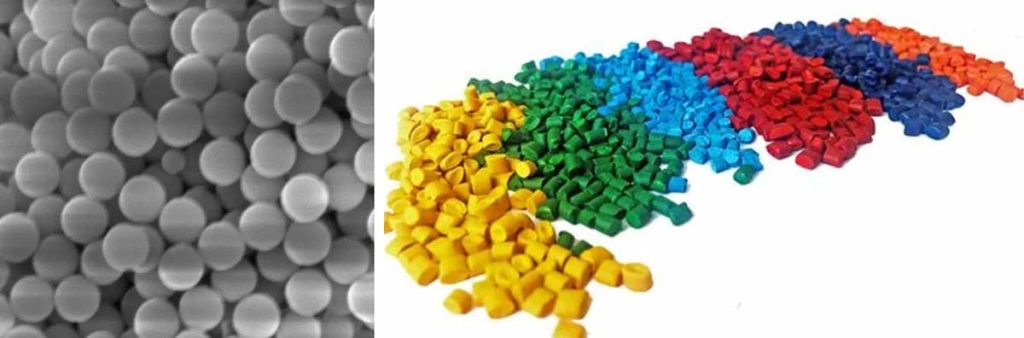
Engineering plastics in automotive applications must withstand high temperatures generated by engines, batteries, and electronic systems. Electron-beam crosslinking significantly improves the thermal stability of these materials. The process creates a network structure within the polymer, which resists deformation and melting at elevated temperatures. This enhancement allows plastics to maintain their shape and function even when exposed to continuous heat.
| Property | Conventional Plastics | Ebeam-Treated Plastics |
|---|---|---|
| Heat Deflection | Moderate | High |
| Dimensional Stability | Limited | Excellent |
| Long-Term Reliability | Variable | Consistent |
Manufacturers rely on these advanced plastics for components such as connectors, housings, and insulation. The improved heat resistance ensures reliable operation throughout the vehicle’s lifespan. Electron beam technology supports the development of materials that meet the rigorous demands of modern automotive engineering.
Benefits for Automotive Wires and Cables
Thermal Stability
Automotive manufacturers demand wiring solutions that withstand extreme temperatures. Ebeam cable delivers superior thermal stability for wires and cables used in vehicles. The process of electron beam crosslinking creates a robust molecular structure, allowing wiring to resist deformation and maintain performance under thermal stress.
Laboratory tests confirm the reliability of ebeam cable in high-temperature environments.
- Researchers conducted annealing tests on electron beam-treated surface layers, exposing them to temperatures ranging from 300 °C to 860 °C.
- The tests focused on microstructural and hardness changes caused by thermal stress during the annealing process.
- Results help engineers select optimal process combinations based on time-temperature sequences, ensuring consistent quality in the automotive wires and cables market.
Ebeam cable enables automotive suppliers to meet the demands of the global automotive wires and cables market, where thermal stability is essential for safety and reliability.
Mechanical Strength
Automotive wires and cables must endure constant vibration, bending, and mechanical stress. Ebeam cable enhances the mechanical strength of wiring systems, making them suitable for demanding automotive environments. The crosslinked structure increases tensile strength and resistance to abrasion, which extends the lifespan of cables in vehicles.
Automotive suppliers implement strict quality control measures to guarantee the mechanical performance of ebeam cable products.
| Certification | Description |
|---|---|
| ISO 9000 | Family of standards for quality management systems. |
| AS9100 | Quality management for aviation, space, and defense organizations. |
| Nadcap | Accreditation for aerospace suppliers based on specific processes. |
- Suppliers apply advanced technologies and best practices throughout the manufacturing process.
- Sophisticated quality control systems monitor every stage, from design to shipping.
- These measures ensure that automotive wiring meets industry standards for strength and durability.
Automotive wires and cables market leaders rely on ebeam cable to deliver robust solutions that support the performance and safety of modern vehicles.
Chemical Resistance
Automotive environments expose wiring and cables to oils, mud, and corrosive substances. Ebeam cable provides exceptional chemical resistance, protecting wires from degradation and failure. Materials used in ebeam cable formulations include halogen-free and non-toxic polyolefin resin, which engineers enhance with additives to improve physical and mechanical properties.
E-beam irradiated materials in automotive applications demonstrate oil resistance, corrosion resistance, and mud resistance. These properties ensure that wiring systems remain reliable throughout the lifespan of vehicles, even in harsh operating conditions.
The automotive wires and cables market continues to grow as manufacturers seek solutions that combine chemical resistance with environmental sustainability.
Future of Ebeam Cable
Innovation
Electron beam irradiation equipment drives innovation in the automotive industry. Companies use this technology to create next-generation materials for wires, cables, and wiring systems. The equipment enables faster processing times and greater energy efficiency compared to older methods. Manufacturers prefer electron beam technology over gamma radiation because it reduces safety concerns and shortens irradiation cycles.
Innovations in electron beam systems allow engineers to produce advanced wire and cable insulation, heat shrinkable polymers, and lightweight components. These improvements help vehicles achieve better fuel efficiency and meet stricter environmental standards. APAR and other industry leaders invest in research and development to push the boundaries of automotive wiring technology. Their efforts support the market’s demand for high-performance cables and reliable wiring solutions.
- Electron beam irradiation equipment enhances the physical properties of wires and cables.
- The technology supports rapid prototyping and customization for automotive applications.
- Industry leaders focus on continuous innovation to maintain a competitive edge.
Growth Opportunities
The automotive market offers significant growth opportunities for electron beam cable technology. Manufacturers recognize the environmental benefits of using ebeam cable in wiring and cables. The process eliminates hazardous chemicals, which reduces toxic by-products and lowers the environmental footprint of cable manufacturing. Sustainability and recycling become more achievable as companies adopt cleaner production methods.
However, several technical barriers challenge widespread adoption. High initial investment costs limit access for small and medium enterprises. Many businesses cite capital limitations as a major obstacle to growth. The complexity of high-voltage electron beam systems requires skilled personnel, creating a skills gap in the workforce. Industry reports estimate a need for thousands of additional skilled workers in the coming years.
Tip: Companies that invest in training and workforce development can overcome these barriers and capture new market opportunities.
The future of electron beam cable innovation depends on collaboration between manufacturers, technology providers, and educational institutions. As the market evolves, sustainable practices and advanced wiring solutions will shape the next generation of automotive wires and cables.
Conclusion
Ebeam cable continues to transform the automotive industry by delivering unmatched durability and reliability. These cables outperform other emerging technologies, especially in extreme environments, and meet the rising demand for high-performance electronic systems. Looking ahead, advancements in electron beam irradiation equipment will drive eco-friendly processing, energy efficiency, and automation.
- Future trends include:
- Integration of artificial intelligence
- Development of sustainable processing methods
- Use of advanced EB accelerators for material innovation
FAQ
What Is Ebeam Cable Technology?
Ebeam cable technology uses electron beam irradiation to enhance the properties of wires and plastics. This process increases thermal stability, mechanical strength, and chemical resistance. Automotive manufacturers choose ebeam cables for their reliability and performance in demanding environments.
How Does Electron Beam Crosslinking Improve Automotive Wires?
Electron beam crosslinking creates strong molecular bonds within the polymer. This process improves heat resistance, durability, and flexibility. Automotive wires treated with this method last longer and perform better under stress.
Are Ebeam-Treated Materials Environmentally Friendly?
Yes. Ebeam-treated materials do not require harmful chemical additives. The process reduces volatile organic compounds and supports recycling efforts. Manufacturers use this technology to meet strict environmental standards.
Which Automotive Components Use Ebeam Cable?
Manufacturers use ebeam cable in wiring harnesses, connectors, insulation, and battery systems. These components benefit from improved strength, heat resistance, and chemical durability.
What Are the Main Benefits for Automotive Manufacturers?
Automotive manufacturers gain several advantages:
- Enhanced product reliability
- Reduced maintenance costs
- Compliance with safety and environmental regulations
Ebeam cable supports innovation and sustainability in the automotive industry.