


Gamma rays sterilize medical equipment by targeting and breaking down the DNA of harmful microorganisms. This process, known as gamma rays sterilization, achieves consistent and reliable sterilization without heat or chemicals. Gamma rays sterilization offers effectiveness and safety for sensitive equipment, making it ideal for medical sterilization. The process ensures medical equipment disinfection and thorough disinfection of all surfaces. Gamma rays sterilization does not leave residue or cause products to become radioactive. Medical sterilization using this method provides a pollution-free alternative. Hospitals and clinics trust the process for its effectiveness and ability to disrupt the dna of pathogens, ensuring complete sterilization of medical equipment.
Key Takeaways
- Gamma rays kill harmful germs by breaking their DNA, making medical equipment safe without using heat or chemicals.
- This sterilization method works well for sensitive devices because it does not damage materials or leave harmful residues.
- Gamma rays can penetrate deep into packaged and dense items, ensuring every part of the equipment is fully sterilized.
- The process is safe and does not make equipment radioactive, so sterilized items are ready for immediate use.
- Hospitals trust gamma ray sterilization for its reliability, efficiency, and ability to meet strict safety standards.
Gamma Rays Sterilize Medical Equipment
What Are Gamma Rays?
Gamma rays are a form of high-energy electromagnetic radiation. Scientists often use gamma rays to sterilize medical equipment because of their unique physical properties. These rays come from sources like Cobalt-60 and have the ability to penetrate deeply into materials. This deep penetration allows gamma rays used to sterilize medical equipment to reach all surfaces, including those inside dense or packaged items.
- Gamma rays have high penetration power, making them ideal for sterilization of entire items, even those made from dense materials.
- Gamma rays used to sterilize medical equipment do not rely on heat, humidity, or pressure, so the process is suitable for heat-sensitive devices.
- The process does not make items radioactive, ensuring safety for both patients and healthcare workers.
- Gamma rays sterilization is reliable, cost-effective, and can be accurately controlled for different types of equipment.
Medical sterilization often requires a method that can handle a wide range of materials. Many polymers used in medical devices remain stable during gamma irradiation, which makes gamma rays sterilization a preferred choice for manufacturers. The process works at relatively low temperatures, usually below 38°C, so it preserves the integrity of sensitive equipment. Gamma irradiation ensures complete sterilisation of both the surface and interior of medical products, even when they are sealed in packaging.
Tip: Gamma rays used to sterilize medical equipment can treat large batches at once, making the process efficient for hospitals and manufacturers.
How Gamma Rays Kill Microorganisms?
Gamma rays sterilization works by damaging the DNA of microorganisms. When gamma rays used to sterilize medical equipment pass through bacteria, viruses, or fungi, they cause ionization. This ionization process generates free radicals, which are highly reactive molecules. These free radicals break the covalent bonds in the DNA of microorganisms, causing molecular damage that destroys the DNA structure.
The process prevents microorganisms from reproducing. Without the ability to replicate, bacteria and other pathogens become non-viable. Gamma irradiation disrupts cellular structures at the molecular level, ensuring that the equipment remains sterile. This method of sterilization by gamma irradiation does not leave any residue or chemical traces, making it safe for use in medical settings.
To achieve high sterility assurance levels, experts determine the minimum dose of gamma irradiation needed for each type of medical device. They assess the initial microbial load and the resistance of microorganisms to gamma rays. The process follows strict standards, such as ANSI/AAMI/ISO 11137, to ensure that every batch meets the required sterility assurance levels. Verification involves testing a sample size to confirm that the process achieves the desired outcome.
Medical device sterilization relies on gamma rays sterilization for its effectiveness and reliability. Gamma irradiation can sterilize packaged goods without opening them, which reduces the risk of contamination after the process. Hospitals and clinics trust gamma rays sterilize medical equipment because it delivers consistent results and supports high sterility assurance levels.
| Feature | Gamma Rays Sterilization Benefit |
|---|---|
| Deep penetration | Sterilizes entire items, even in bulk |
| Cold process | Protects heat-sensitive equipment |
| No residue or radioactivity | Safe for medical use |
| Accurate control | Ensures high sterility assurance levels |
| Compatible with many materials | Suitable for various medical devices |
Gamma irradiation stands out as a leading method for medical sterilization. The process ensures disinfection and complete sterilization of medical equipment, making it a cornerstone of modern healthcare.
Gamma Rays Used to Sterilize Medical Equipment
Cobalt-60 As A Source
Cobalt-60 serves as the main source for gamma rays used to sterilize medical equipment. This radioactive isotope emits high-energy gamma rays, which are ideal for sterilizing materials and equipment. Facilities store Cobalt-60 in shielded chambers to protect workers and the environment. When needed, operators expose medical products to controlled doses of gamma radiation. This process ensures that gamma rays sterilization remains safe and effective for a wide range of medical device sterilization needs. Cobalt-60’s reliability and consistent output make it the preferred choice for gamma irradiation in the healthcare industry.
The Cold Sterilization Process
Gamma sterilization stands out because it does not use heat or chemicals. This cold process protects heat-sensitive medical devices and biomaterials from thermal damage or chemical residue. The step-by-step procedure for gamma rays sterilization includes:
- Select a master product or representative unit from the product family.
- Determine the bioburden and radiation sensitivity of the equipment.
- Establish the minimum sterilizing dose, often above 25 kGy.
- Package and palletize the equipment in a defined configuration.
- Place dosimeters throughout the load to confirm uniform dose delivery.
- Irradiate the batch using gamma rays from Cobalt-60 in a shielded chamber.
- Conduct dose mapping studies to verify dose uniformity.
- Validate sterilization using bioburden testing and sterility confirmation.
- Issue documentation, including validation and irradiation certificates.
- Perform quarterly audits to ensure ongoing process control.
This process follows international standards and supports the production of gamma-irradiated products. Gamma rays sterilization ensures that even complex or sensitive equipment remains safe and effective for medical use.
Note: Gamma sterilization avoids heat and chemicals, making it ideal for sterilising materials that cannot withstand traditional methods.
Deep Penetration and Packaging
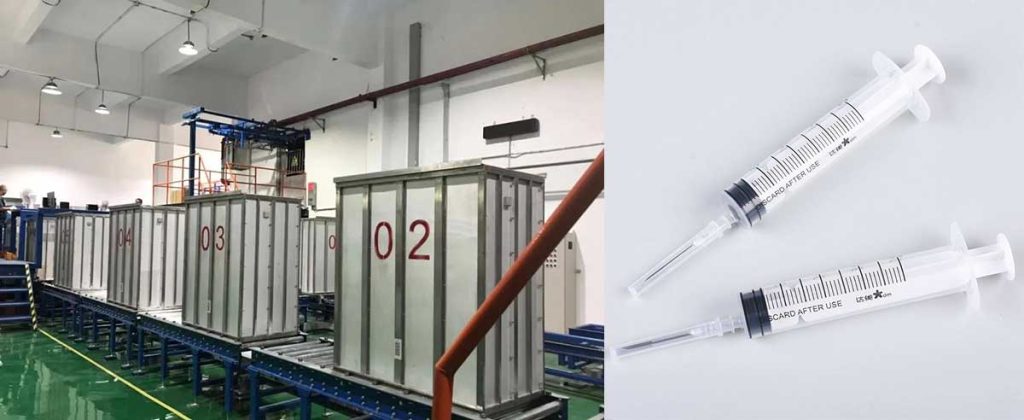
Gamma rays used to sterilize medical equipment offer deep penetration capabilities. These rays pass through sealed packages, plastics, and dense materials without raising the temperature or leaving residues. Gamma irradiation kills bacteria and fungi inside closed packages by disrupting their cell division. This ensures sterility without opening or handling the product after packaging. The process works well for heat- and moisture-sensitive devices, as it does not rely on temperature, humidity, or pressure changes. Facilities validate the process through dose mapping and bioburden testing, following strict standards. Gamma rays sterilization provides a clean, efficient, and reliable method for medical sterilization, ensuring that equipment remains safe for patient care.
Gamma Sterilization Safety
No Residue Or Radioactivity
Many people worry that gamma sterilization might leave medical equipment radioactive or contaminated. Scientific research shows that this concern is unfounded. Gamma rays sterilization uses high-energy radiation to destroy microorganisms, but the process does not make the equipment itself radioactive. The energy from gamma rays passes through the products and does not remain in the material. Hospitals and clinics can use sterilized items immediately after the process without any risk to patients or staff.
Gamma sterilization also avoids the use of chemicals or heat. This means that sensitive medical devices stay safe and effective. The process does not create heat or moisture, so there is no risk of damaging delicate materials. No chemical residue remains on the equipment, which supports the highest hygiene standards in medical settings. Sterility assurance comes from strict sterilization validation, including dose mapping and bioburden testing. These steps confirm that every batch meets the required sterility level.
Note: Gamma sterilization leaves no residue and does not change the physical or chemical properties of medical equipment.
Regulatory Controls
Strict regulatory controls ensure the safety and effectiveness of gamma sterilization for medical sterilization. Several agencies and standards oversee the process:
- The U.S. Nuclear Regulatory Commission and the Canadian Nuclear Safety Commission regulate the handling, transport, and storage of gamma ray sources.
- The U.S. Food and Drug Administration (FDA) monitors gamma sterilization of medical devices through inspections and guidance documents.
- Internationally, ISO 11137 sets the main standard for radiation sterilization, including gamma irradiation. This standard requires risk assessments, process validation, and regular audits.
Facilities must follow detailed quality control measures to maintain safety and sterility:
- Follow standards such as ANSI/AAMI/ISO 11137 for precision in sterilization.
- Calculate and monitor the radiation dose and exposure time for each product.
- Use dosimetry devices to verify the absorbed dose during the process.
- Test quality control samples after irradiation to confirm sterility.
- Keep strict documentation of every step, including sterilization validation and dose mapping.
- Maintain a Sterility Assurance Level (SAL) of 10^-6, which means a very low chance of non-sterile items.
Sterilization validation plays a key role in every step. Facilities group similar products and use sample item portions to test complex systems. Dosimeters confirm that the correct gamma dose reaches all parts of the batch. Extensive documentation, including sterilization validation reports and irradiation certificates, supports claims of sterility and regulatory compliance. These controls ensure that gamma sterilization remains a trusted method for medical sterilization worldwide.
Gamma Irradiation vs. Other Methods
Advantages of Gamma Sterilization
Gamma sterilization offers several important benefits over heat and chemical sterilization methods, especially for medical sterilization. Many medical devices cannot tolerate high temperatures or moisture. Gamma irradiation provides a cold process, making it ideal for heat-sensitive materials. The process also avoids chemical residues, which can pose risks to patients and staff.
- Gamma sterilization uses about 15 times less electrical power than heat-based methods.
- No toxic byproducts remain, unlike chemical sterilization with ethylene oxide.
- Gamma irradiation penetrates deeply, reaching complex and packaged medical devices.
- The process supports the reusability of disposable items, reducing medical waste.
- High sterility assurance levels ensure reliable outcomes for medical equipment.
- Gamma sterilization is environmentally sustainable, producing fewer greenhouse gases and pollutants.
Medical devices made from metal, glass, plastic, rubber, and even complex electronics benefit from gamma irradiation. Items such as surgical instruments, implants, catheters, syringes, and wound dressings all achieve effective sterilization without damage.
Tip: Gamma irradiation works well for high-volume production and maintains the integrity of sensitive medical equipment.
Limitations and Challenges
Gamma irradiation, while effective, presents some challenges for medical sterilization. The process can cause molecular and structural changes in certain polymers, leading to reduced durability or discoloration. Some microorganisms, such as gram-positive bacteria and yeasts, show resistance to gamma irradiation, requiring careful dose optimization.
| Limitation/Challenge | Description | Impact on Medical Equipment |
|---|---|---|
| Polymer Degradation | Free radicals cause crosslinking, chain scission, and oxidative damage | Reduced durability, loss of elasticity, discoloration |
| Microorganism Resistance | Some microbes have advanced DNA repair mechanisms | Dose optimization needed for complete sterilization |
| Impact on Biological Tissues | Alters molecular structure of tissue-based products | Reduced mechanical strength in tissue grafts |
| Repeated Sterilization Effects | Multiple exposures increase material degradation | Compromised device functionality over time |
| Safety Concerns | Generation of carcinogenic compounds in some materials | Limits use of certain polymers |
| Supply Chain and Process Challenges | Requires specialized facilities, regulatory compliance, and isotope supply | Drives exploration of alternative sterilization methods |
Gamma sterilization also requires specialized equipment, trained personnel, and strict regulatory oversight. The use of radioactive isotopes like cobalt-60 adds complexity to handling, transport, and disposal. Not all materials or product sizes are suitable for gamma irradiation, and repeated cycles may further degrade some devices.
Electron Beam Sterilization Comparison
Electron beam (E-Beam) sterilization provides an alternative to gamma irradiation for medical sterilization. Both methods use ionizing radiation to break down DNA in microorganisms, but they differ in several ways.
| Aspect | Electron Beam (E-Beam) | Gamma Irradiation |
|---|---|---|
| Sterilization Source | Electricity-powered accelerator | Radioactive cobalt-60 isotope |
| Processing Time | Seconds per batch | Hours to tens of hours per batch |
| Penetration Depth | Lower; best for thin or low-density products | High; best for dense or complex products |
| Material Compatibility | Less material damage due to rapid dose | Longer exposure can increase material degradation |
| Scalability | No isotope supply constraints | Limited by cobalt-60 supply |
| Environmental Impact | Can be highly sustainable | Produces radioactive waste |
E-Beam sterilization works quickly and does not require radioactive materials. It suits low-density or surface sterilization tasks. Gamma irradiation remains the preferred choice for large, dense, or complex medical products that need deep penetration and tight dose control. Both methods receive FDA recognition and play vital roles in medical sterilization, but gamma irradiation continues to dominate the market due to its versatility and proven safety.
Conclusion
Gamma ray sterilization stands out as a leading method for medical sterilization.
- This process uses high-energy rays to disrupt the DNA of microorganisms, ensuring effective sterilization for a wide range of medical products.
- Gamma rays penetrate packaging and materials, reaching every surface without damaging delicate instruments.
- Sterilization leaves no residue or harmful by-products, preserving the integrity of medical equipment.
- Products do not become radioactive, making them safe for immediate use in healthcare settings.
- Medical sterilization with gamma rays supports infection control and meets strict regulatory standards.
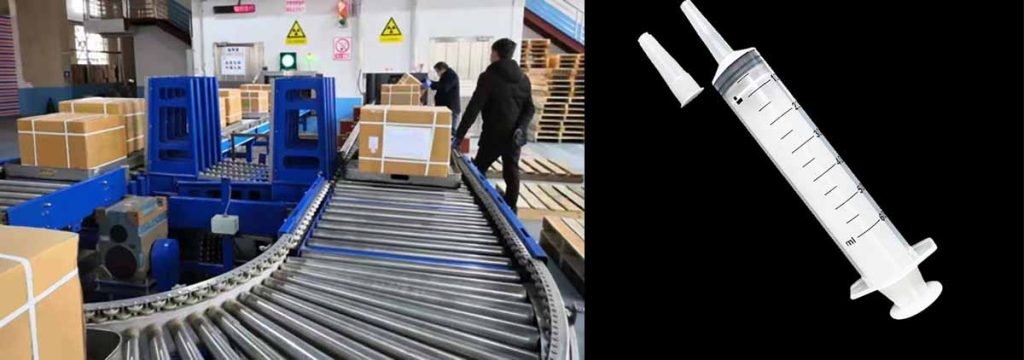
- Hospitals rely on this method for bulk sterilization of syringes, catheters, and implants.
- The process works well for pre-packaged and single-use items, offering reliable sterilization every time.
- Validation protocols confirm sterility and regulatory compliance for every batch.
- Gamma ray sterilization remains indispensable for the highest standards in medical sterilization.
Trust in gamma sterilization continues to grow as it delivers safe, effective, and residue-free solutions for modern medical needs.